Hunting Camera Setup Guide: How to Install & Position for Perfect Shots
The allure of hunting photography lies in capturing fleeting moments—a buck flying through the morning mist, a family of turkeys foraging—and revealing animal behaviors you rarely witness firsthand. But none of this happens by accident. However, incorrect mounting and positioning can undo your efforts. This guide will teach you how to properly mount and position your hunting camera, ensuring you avoid missing the perfect moment and capture clear, unforgettable footage every time.
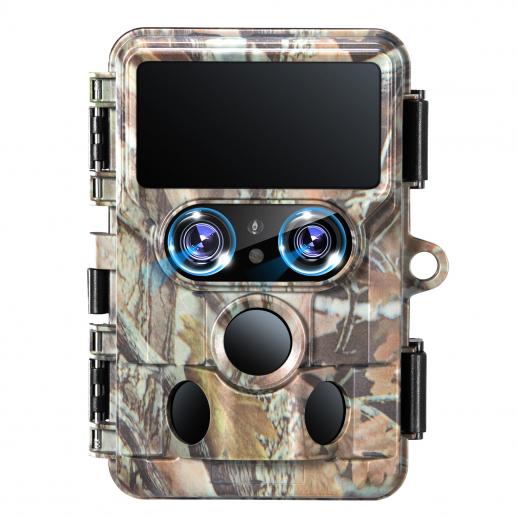
Pre - installation Preparation
Before heading out to mount your hunting camera, gather these essential items to avoid last-minute trips back to your truck or home:
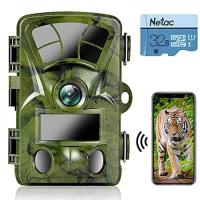
· Hunting camera: Confirm it’s free of lens smudges or physical damage (e.g., cracks on the housing) that could ruin shots.
· Power source: Bring fresh AA/AAA batteries (opt for lithium batteries for longer life in cold weather) or a fully charged rechargeable pack. If using a solar panel accessory, include it here too.
· Storage: Insert a formatted SD card (16GB–64GB is ideal; avoid unformatted cards, which can cause the camera to fail mid-recording).
· Mounting tools: Pack a tree mount/bracket (most cameras include one, but a heavy-duty metal mount works better for windy areas), zip ties or bungee cords (for extra stability), and a small screwdriver (to tighten mount parts).
· Extras: A microfiber cloth (to wipe lens fog or dirt on-site) and a notebook/phone (to jot down the camera’s location—e.g., “50 yards north of oak tree by creek”—for easy retrieval later).
Camera Set Up
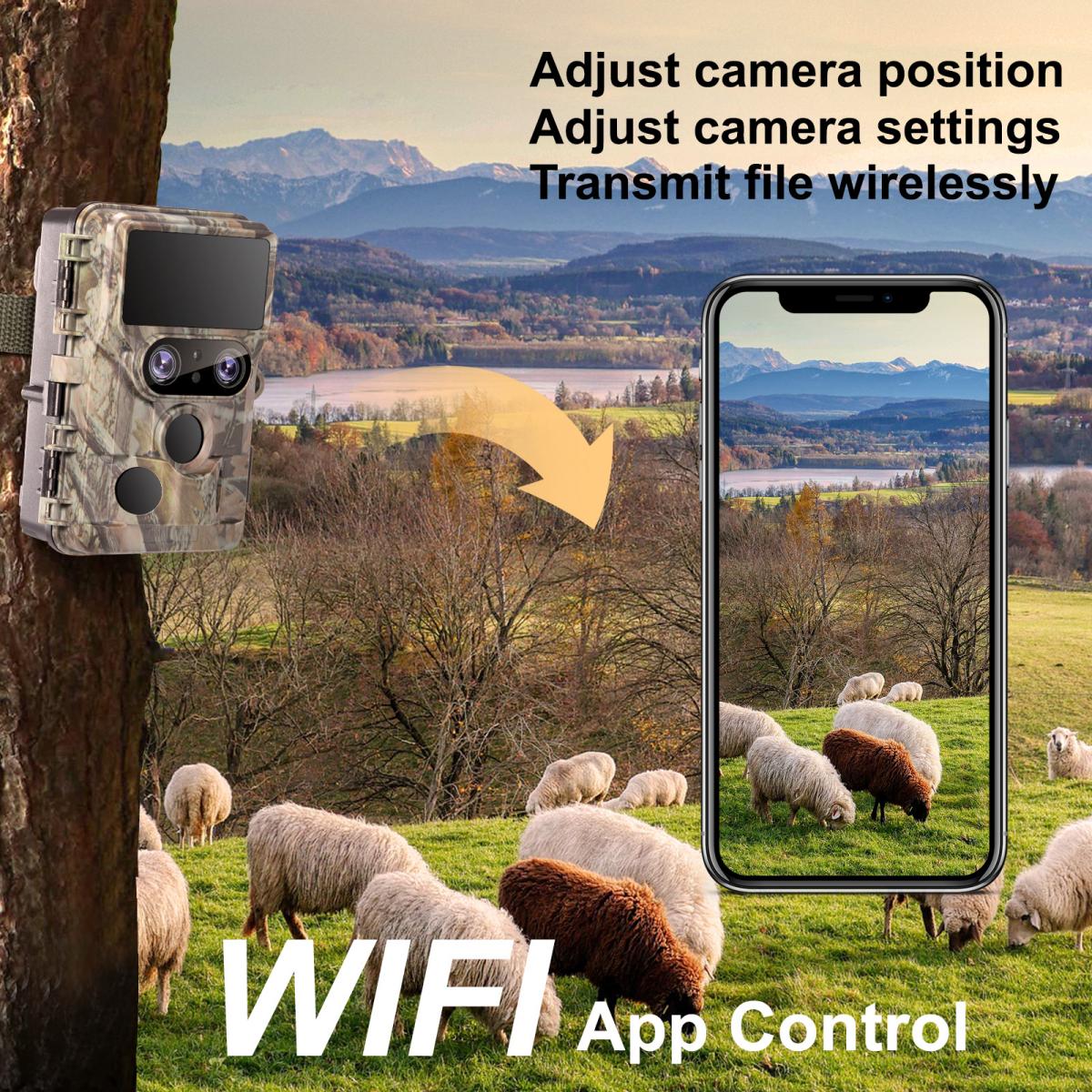
Quick camera checks to set a solid foundation:
· Turn on the camera and verify the date/time stamp is accurate (wrong timestamps make it hard to track animal activity patterns).
· Set the shooting mode (photo, video, or “photo + video” combo) based on your goal (e.g., photos for scouting deer movement, videos for observing behavior).
· Adjust trigger sensitivity (medium-high works for most game; lower sensitivity avoids false triggers from wind-blown branches).
· Check night vision settings: Ensure IR flash is enabled (for low-light shots) and set the IR range (e.g., 50ft–100ft) to match your expected animal distance (e.g., wider range for open fields).
· Test the motion detection zone: Most cameras let you adjust this—avoid setting it to cover too much sky or empty space (this cuts down on useless shots).
Mounting the camera
1. Tree Mount (Most Popular for Wooded/Scrub Areas)
This works for 90% of hunting spots—focus on trees 8–12 inches in diameter (thick enough to hold the mount, thin enough to wrap brackets around).
Attach the camera bracket to the tree first: Slide the bracket around the trunk, tighten the adjustment knob until it’s snug (don’t over-tighten—you could damage the tree or bracket).
Mount the camera to the bracket: Line up the camera’s mounting hole with the bracket’s screw, then twist or fasten until the camera sits firmly (no wiggle when you gently tap it).
Level the camera: Use the built-in bubble level (on most modern cameras) or your phone’s level app to ensure the lens isn’t tilted up/down—this prevents cut-off shots of animals (e.g., missing a deer’s head because the camera was angled too low).
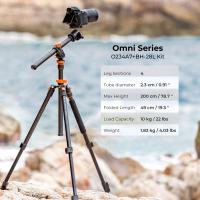
2. Tripod/Post Mount (Best for Open Fields or Flat Areas)
Use this if there are no trees nearby (e.g., grasslands, food plots). Opt for a lightweight, weatherproof tripod (or a metal T-post driven into the ground).
Set up the tripod: Extend the legs to a height of 3–4 feet (standard for capturing full animal bodies), then lock the legs to prevent sinking in soft soil.
Attach the camera: Screw the camera’s base (or a universal adapter, if needed) onto the tripod head.
Secure against wind: Add a small weight (e.g., a sandbag or rock bag) to the tripod’s center pole—this stops the camera from swaying and blurring shots during gusts.
Pro Mounting Tip
Avoid mounting too high (above 5 feet) or too low (below 2 feet). High mounts often capture only animal backs; low mounts risk being blocked by tall grass or kicked by curious game. Aim for 3–4 feet—this height frames full animal profiles while staying out of easy reach of raccoons or other critters.
Positioning Strategies for Perfect Shots
Understanding Animal Behavior Patterns:
· Animal behavior is your best clue for camera placement—focus on spots where game naturally congregates or moves through.
· Foraging Zones: Target areas with fresh food sources: acorn-dense oak groves (for deer), clover patches (for turkeys), or berry bushes (for small game). Look for signs like chewed leaves, hoof prints, or droppings—these mean animals visit regularly. Mount the camera 10–15 yards from the food source (close enough to capture details, far enough not to spook them).
· Water Sources: Streams, ponds, or seeps are non-negotiable for most game—especially in dry weather. Animals often take the same path to water, so follow faint trails leading to the edge. Avoid placing the camera directly over the water (glare can ruin shots); instead, position it 5–8 yards from the bank, facing the path animals use to approach.
· Travel Corridors: Animals take the easiest routes between habitats—think narrow trails through thick brush, gaps in fences, or ridges (deer love high ground for visibility). Look for “funnel points” (e.g., a narrow strip of trees between two fields) where movement is concentrated. Mount the camera along these corridors, aligned with the direction animals travel (not perpendicular—this captures side profiles, not just backs).
· Bedding Areas: For shy game like deer, bedding spots (thick cover, sunny slopes) are sensitive—place cameras 20+ yards away to avoid disturbance. Focus on trails leading to bedding areas (animals move slowly here, making for clear shots) rather than the beds themselves.
Choosing the Right Location:
Different landscapes affect animal movement and shot quality—adjust your placement to match the terrain:
· Forests/Woodlands: Stick to well-worn trails (look for flattened vegetation) or “logging roads” that cut through dense trees. Avoid thick underbrush directly in front of the camera (it can block motion detection or blur shots). If the forest has a canopy, angle the camera slightly downward to reduce dappled sunlight (which causes overexposed spots in photos).
· Grasslands/Open Fields: Focus on the edges—animals rarely stay in wide-open spaces (they feel vulnerable). Mount cameras where fields meet tree lines or fence rows (these are “transition zones” for game moving between cover and food). Use a tripod here (no trees!) and avoid facing west/east during sunrise/sunset (direct sunlight will wash out shots).
· Rivers/Lakesides: Prioritize shallow banks (animals drink here to avoid deep water) or fallen logs that act as “bridges” over small streams. Check for erosion marks—these indicate regular foot traffic. Keep the camera 6–10 yards from the water’s edge to prevent moisture damage (even waterproof cameras struggle with constant splashes).
· Mountain/Hilly Areas: Target “benches” (flat spots on hillsides) or switchbacks (where trails turn sharply). These are rest stops for animals climbing uphill. Face the camera downhill slightly—this captures animals as they move up, showing full bodies instead of just legs.
Angle and Height Considerations:
Poor angle or height can turn a great location into useless footage—follow these rules:
Angle Best Practices:
Avoid head-on angles: Facing animals directly can result in “profile-less” shots (only showing noses or backs). Instead, angle the camera 30–45 degrees to the direction of travel—this captures side profiles, showing antlers, fur patterns, or body size.
Steer clear of upward/downward extremes: Angling too high (toward the sky) cuts off animal bodies; angling too low (toward the ground) captures only legs. Aim for a slight downward tilt (5–10 degrees) if mounting on a tree—this avoids grass/brush blocking the lens while keeping the focus on animal height.
Watch for obstructions: Before finalizing, kneel at the camera’s level and look through the lens area. Remove small branches, tall weeds, or rocks that block the 10–20 yard “detection zone” (motion sensors work best here).
Height Guidelines:
Standard height: 3–4 feet off the ground is ideal for most game (deer, elk, turkeys). This frames full bodies (from hooves to antlers) and keeps the camera out of the reach of rodents (which can chew wires) or ground-dwelling critters (like skunks).
Adjust for small game: If targeting rabbits, squirrels, or turkeys, lower the camera to 2–2.5 feet—this avoids capturing only their backs as they forage close to the ground.
Raise for security: In areas with theft or curious bears, raise the camera to 5–6 feet (use an extension bracket) and angle it downward. This keeps it out of sight while still covering the target area.
![J12 Mini-projector Outdoor-filmprojector met 100 inch-projectorscherm, 1080P, compatibel met tv-stick, videogames, HDMI, USB, TF, VGA, AUX, AV [Amerikaanse regelgeving]](https://img.kentfaith.de/cache/catalog/products/de/GW01.0172/GW01.0172-1-200x200.jpg "J12 Mini-projector Outdoor-filmprojector met 100 inch-projectorscherm, 1080P, compatibel met tv-stick, videogames, HDMI, USB, TF, VGA, AUX, AV [Amerikaanse regelgeving]")