What Is Field Of Vision For Binoculars?
When it comes to understanding binoculars, one key concept that often gets tossed around is the "field of vision," sometimes also referred to as the "field of view" (FOV). Whether you're a birder spotting a Scarlet Tanager in the distance, a stargazer scanning the sky for the Andromeda Galaxy, or an outdoor enthusiast trying to nab that stunning view of the Rockies, the field of vision of your binoculars is paramount to your experience. Let’s dive deep into the mechanics, calculations, and practical tips—and yes, strap in for some surprising truths along the way.
So, What Is the Field of Vision?
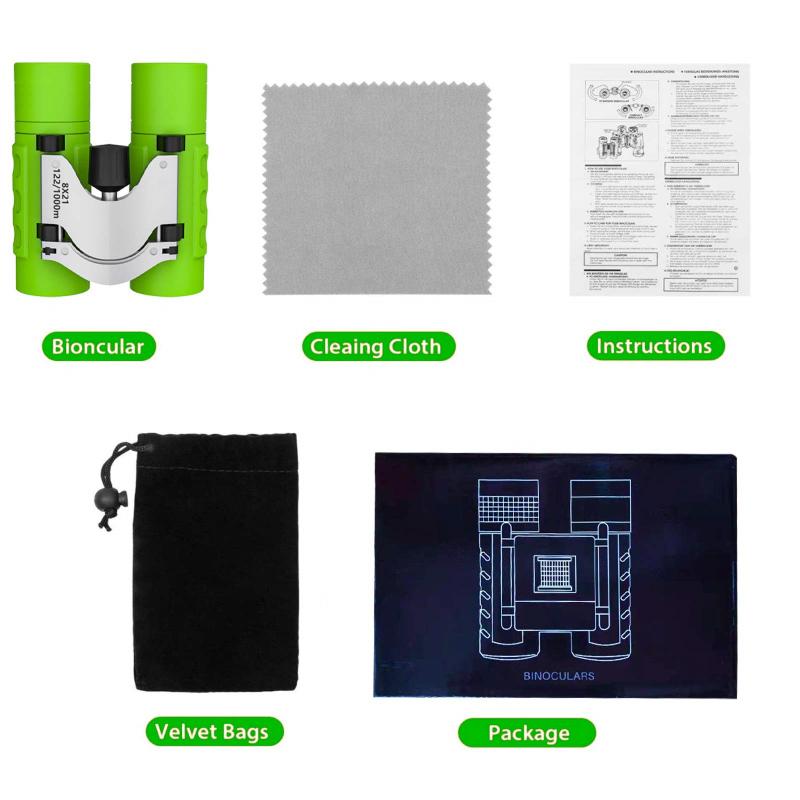
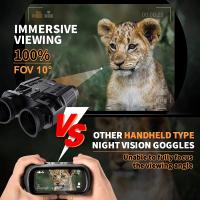
At a basic level, the field of vision is the width of the area that you can see through the binoculars. It’s typically expressed in feet at 1,000 yards (e.g., 330 ft/1,000 yd) or in degrees (which, as we'll see, can be converted into the distance measurement rather easily). Essentially, the field of vision determines how broad or narrow your view will be. Having a wider field of vision generally makes it easier to locate and track moving objects, like birds or players on a football field, while a narrower field provides more detail for small or distant objects.
A simple analogy would be this: Think of your eye as a window. The field of view tells you how big the window is and how much of the outside world you can see through it. If the window is too small, you're straining to focus on only one thing while missing everything else. If it’s too wide, everything may feel less focused but you'll see more in the periphery.
Specifications That Impact Your FOV
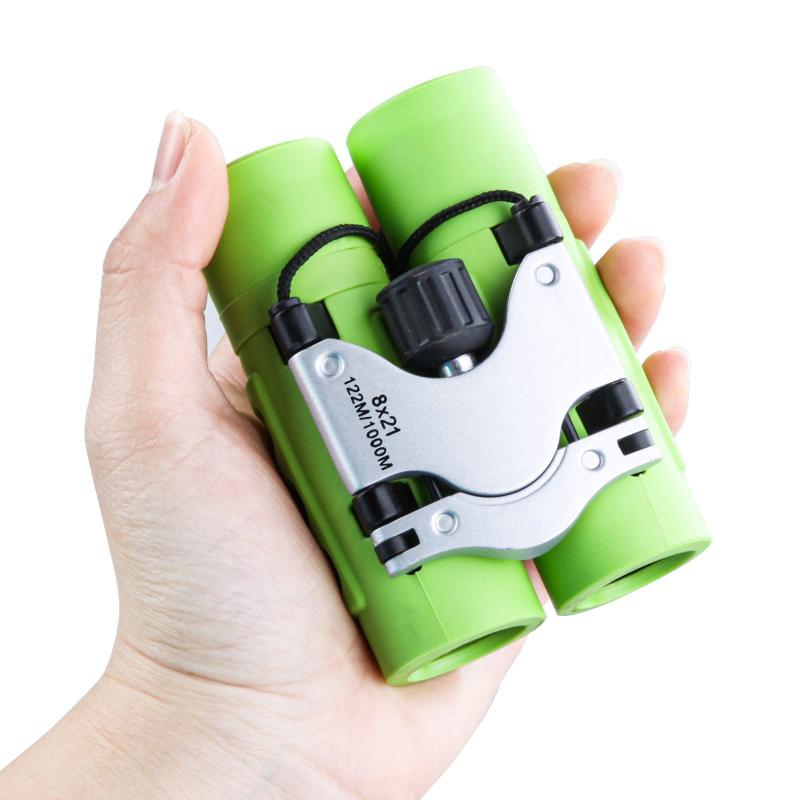
Binoculars don’t come with infinite field of vision. Several factors influence how much you’ll actually see, and understanding them can mean the difference between frustrating usage and experiencing pure magic:
Magnification Level
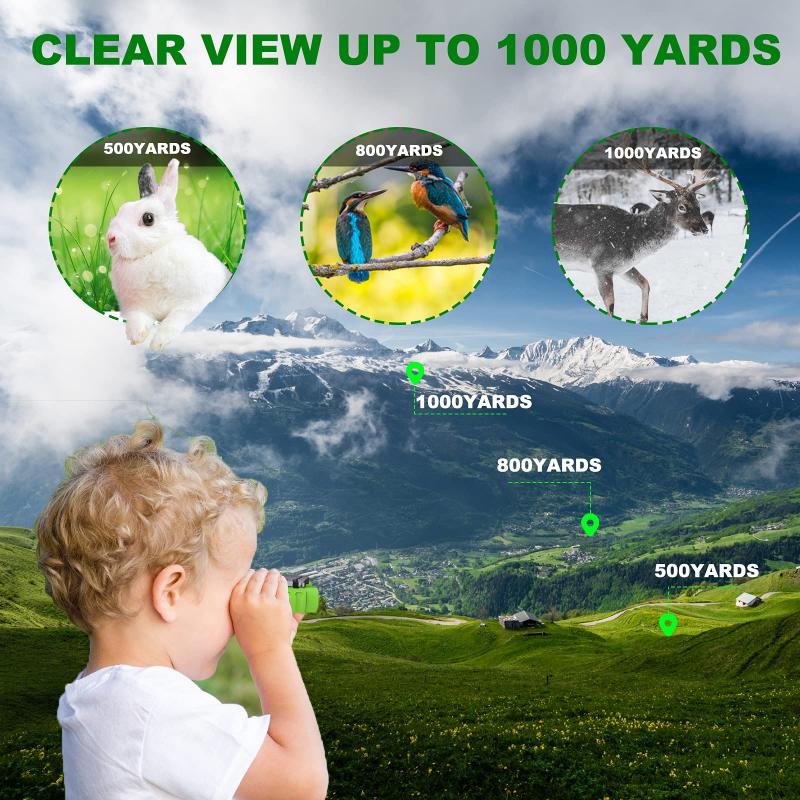
One cardinal rule of binoculars is this: As magnification increases, the field of vision decreases. For instance, a pair of 8x binoculars tends to have a wider field of vision than a pair of 12x binoculars. Why? Imagine zooming into a photograph: the more you magnify it, the smaller the "scene" becomes. While higher magnification is ideal for zooming in on distant objects (like hitting that elusive hawk perched on a tree miles away), your FOV suffers because you’re essentially “cropping” the view down.
Objective Lens Diameter
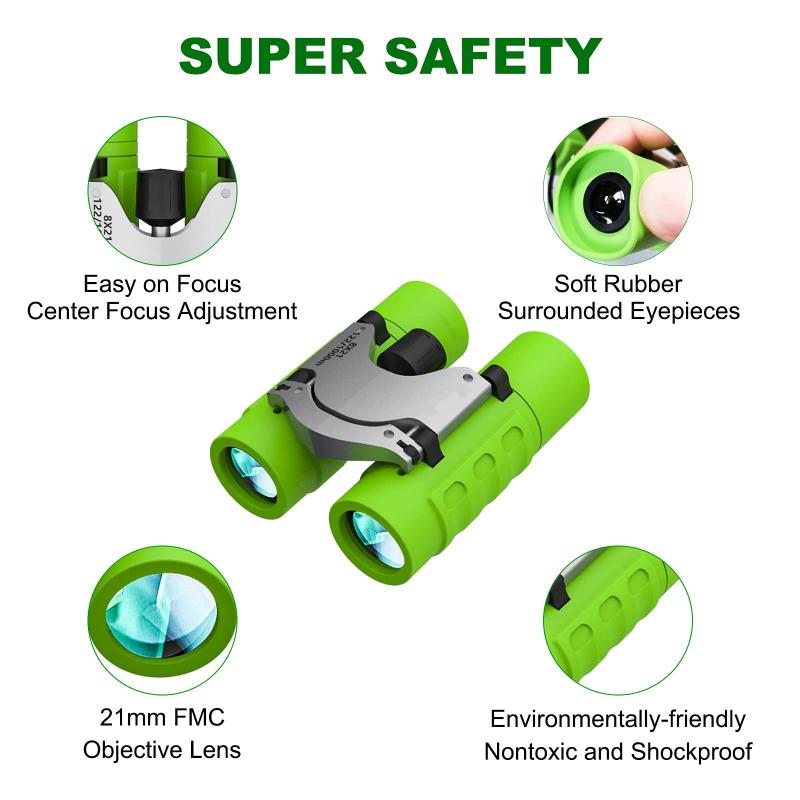
This is another key contributor. The objective lens is the one located on the far side of your binoculars—the larger it is, the more light it gathers, improving brightness and sharpness. While lens diameter doesn’t directly determine field of vision, larger lenses generally allow for better visual clarity across the field, which is essential for perceiving fine details in wide-angle scenes.
Design and Optics Quality
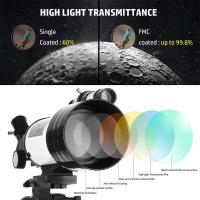
Improvements in modern optics design have managed to squeeze wider fields of vision into compact binocular forms without sacrificing sharp resolution. Features like extra-low dispersion (ED) glass, advanced coatings, and aspherical lens elements can reduce distortion and expand the sweet spot—the portion of the field that is crystal-clear.
Exit Pupil
You know that eerie disc of light you see when holding binoculars up to your eyes? That’s the exit pupil. This little guy doesn’t directly dictate the field of vision, but a poorly sized one can make using binoculars feel like peering through a straw. A generous exit pupil makes it easier for your eye to align and fully appreciate the field of vision, especially in low-light conditions.
Calculating and “Decoding” FOV
Binocular manufacturers often highlight their products’ field of view by using either linear measurements (feet at 1,000 yards or meters at 1,000 meters) or angular measurements (degrees). Thankfully, you don’t need to dust off your advanced geometry textbook to understand these.
To convert angular FOV to linear FOV, you can use this formula:
Linear FOV = Angular FOV × 52.5 feet
For example, if your pair of binoculars has an angular FOV of 6.5 degrees, the linear FOV would be approximately:
6.5 × 52.5 = 341.25 feet at 1,000 yards.
Similarly, the reverse calculation can be performed by dividing the linear FOV by 52.5.
This straightforward relationship can help you compare binoculars that advertise their fields of view using different measurement systems.
When Does a Wide Field of Vision Matter?
You might wonder: “Does bigger always equal better?” Well, it depends on the context.
Birding and Wildlife Observation
A wide FOV makes a world of difference here. Imagine spotting a swift falcon darting across the sky. Narrow fields will have you playing a frustrating game of hide-and-seek as you try to track its movement. Wider fields give you more breathing room to anticipate the falcon’s trajectory and keep it in view.
Astronomy
A wide-field binocular gives stargazers sweeping vistas of the night sky. Whether you're exploring vast star clusters or savoring lunar details, the breadth of the view can elevate your celestial experiences. That said, for pinpoint-level details on planetary surfaces, narrower fields paired with higher magnifications might still win out.
Sports and Events
At concerts or sports games where the action is fast, a broad field allows you to soak in everything at once. Who wants to zoom in and miss the drummer stealing the spotlight, or the soccer goalie’s impossible save?
Hiking and Scenery
When scouting expansive landscapes, a wide field of view feels like removing borders altogether.
FOV Trade-Offs—Why Bigger Isn’t Always Better
While wide fields of vision sound appealing, there are trade-offs. In higher magnification binoculars, the narrower field can often result in better image detail and clarity. For activities like long-range hunting, where spotting a moving deer at great distances is key, sacrificing a bit of FOV for clearer intent can be well worth it.
Furthermore, edge distortion becomes a concern in extremely wide fields. The sharpness and clarity at the edges of your view may fade, creating a soft border. High-quality models mitigate this, but it’s something to watch for in budget options.
Putting FOV Knowledge Into Practice
So how do you take this optical wisdom into the real world? Use it to decode those often cryptic product specs, making sure the binocular’s FOV matches your intended activity. If you’re someone who enjoys versatility—like bouncing between birding and casual stargazing—aim for a balanced FOV in the 330-450 ft/1,000 yd range. Opt for sharper edges and sturdier construction if precision matters.
Remember, like countless technologies, binoculars aren’t about perfection—they’re about trade-offs. Narrow fields enhance precision, wide fields amplify situational awareness, and somewhere in between lies your sweet spot.
Go forth, wield your newfound knowledge, and transform your optics game. Whether it's feathered wings, mountain peaks, or constellations calling, your field of vision will help unlock them all. Happy viewing!