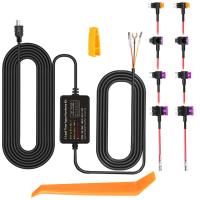
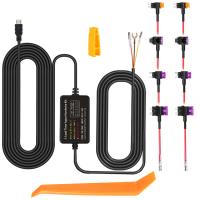
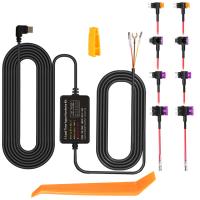
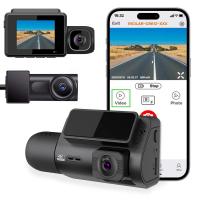
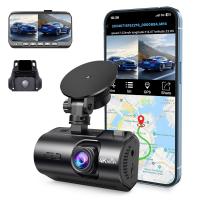
What Is Hard Wire Kit For Dash Cam?
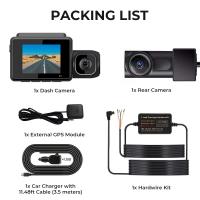
A hardwire kit for a dash cam is essentially a power connection solution that allows your dash camera to draw electricity directly from your car’s fuse box rather than relying on the lighter socket or auxiliary power outlet. The kit typically includes the necessary wiring, adapters, and sometimes even voltage regulator modules to ensure safe and consistent power delivery to your dash cam.
So why would you bother with a hardwire kit when you could simply plug your dash cam into the cigarette lighter? First off, a hardwire kit has benefits that go far beyond a cleaner aesthetic. But let’s not rush into conclusions; I like peeling back the layers one by one. Consider this your rabbit-hole dive into the world of automotive accessories.
The Barbecue Chicken Analogy
Imagine you were grilling barbecue chicken in your backyard. You could use a portable grill that you fire up when you need it (akin to your lighter socket-powered dash cam). Alternatively, you could build a permanent outdoor kitchen setup (similar to a dash cam hardwire kit). Both options will get the job done, but the latter allows for consistent usability with fewer compromises.
The hardwire kit makes your dash cam a seamless part of your vehicle’s ecosystem. Constant powering and usability? Check. A stealthy and wire-free look in your cabin? Double check. Protection from dead batteries through parking mode support? Oh, you bet!
A Spicy Add-On: Understanding the Components
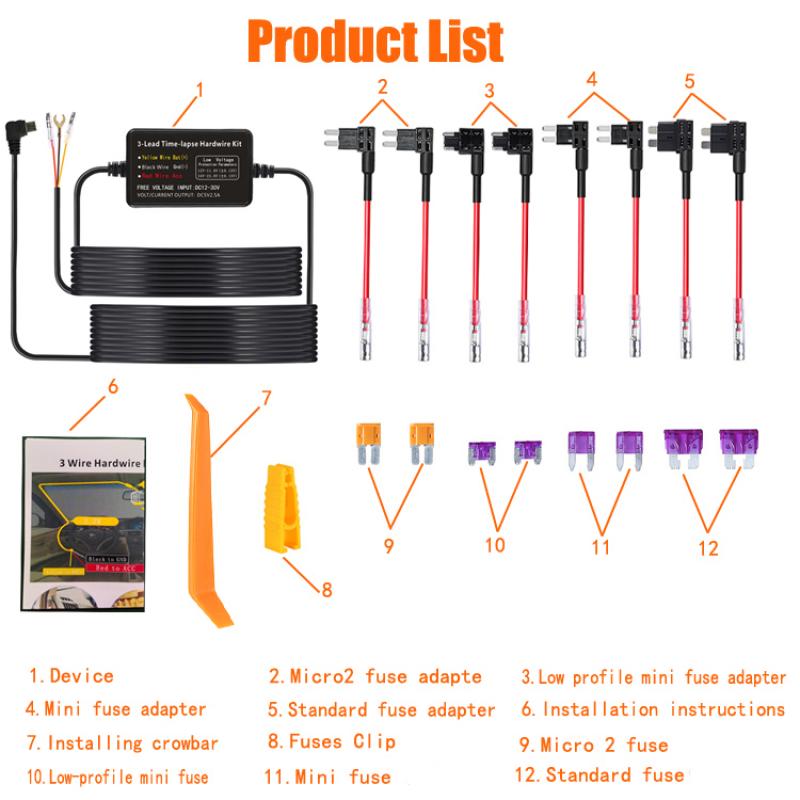
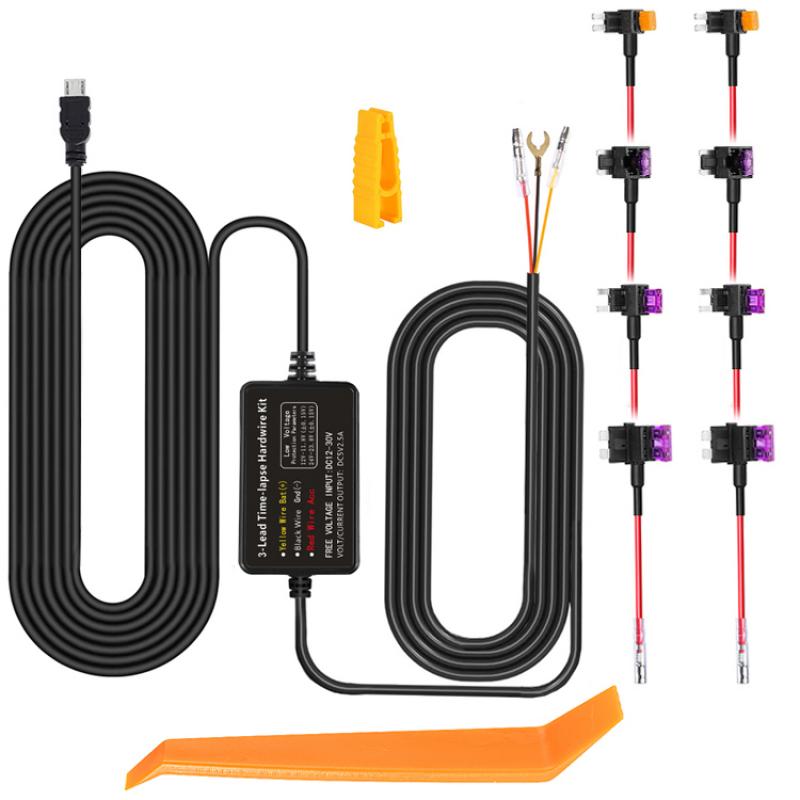
Let’s break down the sophisticated recipe of a hardwire kit. While it might seem like a simple set of wires, there's more to it than meets the eye.
1. Fuse Taps
Fuse taps allow you to connect your dash cam power cable directly into your car’s fuse box without disrupting any existing electrical flows. The fuse box acts as the brain of your car's electrical system, and tapping into it provides your dash cam with the juice it needs. Compatible fuse types (e.g., Micro2, Mini, etc.) vary based on your car model, so double-check before buying a kit.
2. Voltage Monitor (or Low-Voltage Protection)
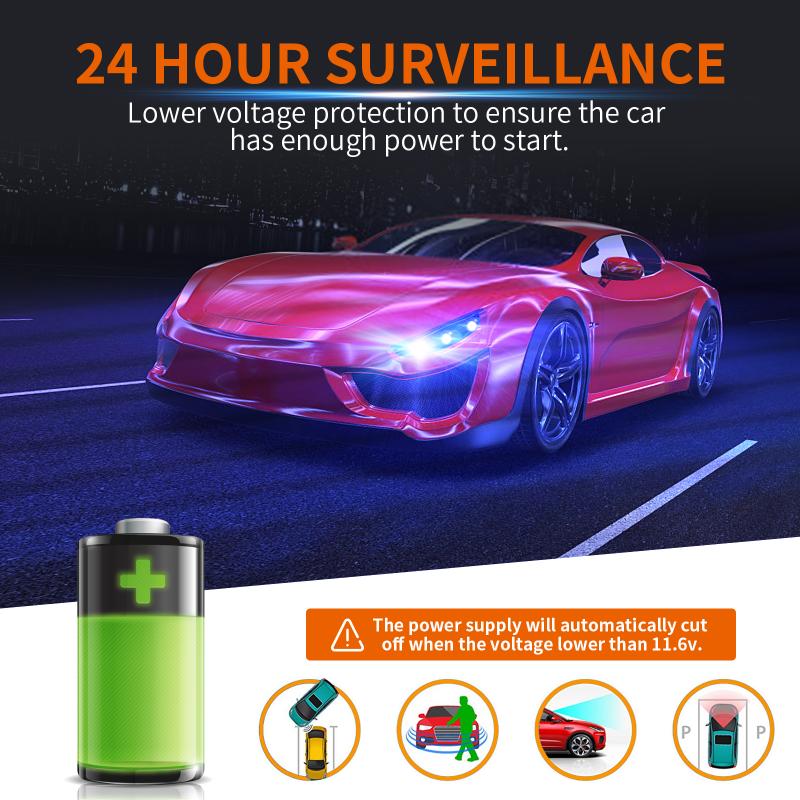
This nifty little circuit cuts off the dash cam’s power supply when the car’s battery drops below a set voltage threshold. Cars need power to start, right? Without this safeguard, a dash cam left running overnight could drain your battery and leave you stranded the next morning. Hardwire kits often integrate this functionality to ensure both your camera and your car remain happy campers.
3. Power Cable
Typically, this cable carries either 5V or 12V power (depending on your device) from the fuse box. It’s the lifeline for your dash cam, and the cable is usually long enough to discreetly route around the cockpit without leaving trails.
4. Parking Mode Enablement
Ah, yes—the pièce de résistance. Parking Mode transforms your dash cam from a simple recording device into an automotive guardian angel by enabling it to record even when the car isn’t running. But you can’t achieve this with only lighter socket power since that source typically cuts off when the engine is off. Hardwiring bridges that gap responsibly.
Installation: A Beginner’s Guide to Vehicle Electrical Zen
Installing a dash cam hardwire kit may sound intimidating, but with patience and the right tools, even someone with minimal automotive experience can handle it. Here’s the lay of the land:
1. Locate Your Fuse Box
Refer to your vehicle’s manual to find the fuse box. It’s usually tucked behind a panel near the driver’s side dash or in the glove compartment. Arm yourself with fuse-pulling tools (these are surprisingly cheap and widely available).
2. Choose the Right Fuse Slot
Pick a fuse that aligns with the power requirements listed by your dash cam manufacturer. A fuse that powers accessories like your radio or interior lights often makes a good candidate since it only functions while the car is active. Choose an “always-on” fuse (if available) for parking mode.
3. Use the Fuse Tap
The fuse tap essentially piggybacks onto the existing fuse slot—one end connects to the fuse box, and the other routes power to your dash cam.
4. Route the Wires (Discreetly, Of Course)
Take some time to decide your wire-routing strategy beforehand. It’s all about hiding them in plain sight—under carpets, behind trim panels, or alongside existing factory wiring. Many kits include cable clips to make this job easier.
5. Test Before You Tidy
Turn on your car and verify the dash cam is receiving power. Toggle parking mode to ensure it switches as intended. Once satisfied, button up the fuse box and revel in the clean wire-free aesthetic.
The High Five of Advantages
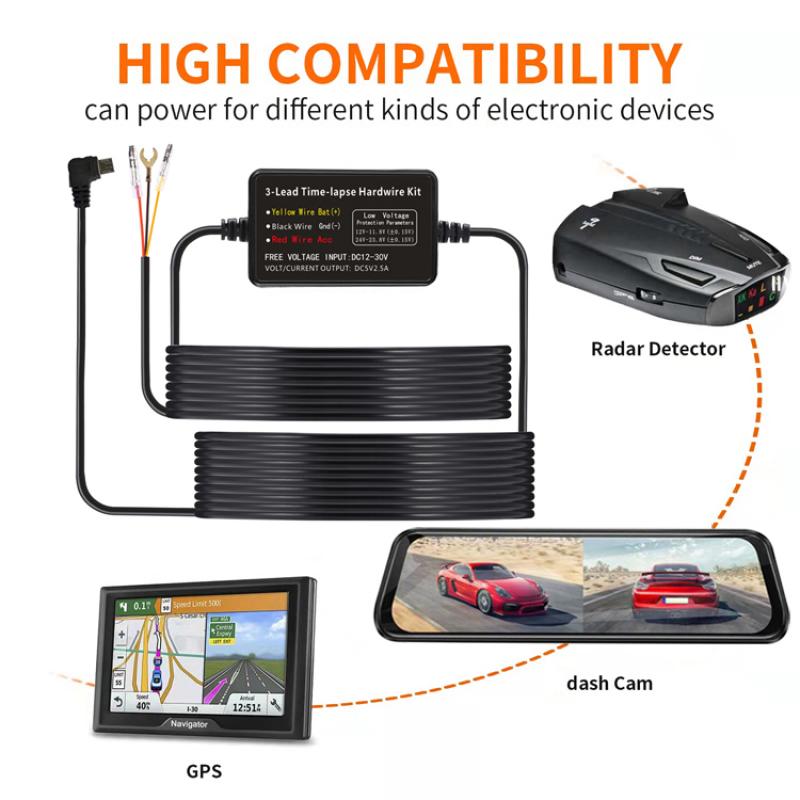
Let’s raise a metaphorical glass because if done right, a dash cam hardwire kit gifts you with several tangible benefits:
1. Parking Mode Magic
Who doesn’t love feeling like a superhero vigilante of sorts? Even when you’re not around, your car stands watch—or more specifically, your hardwired dash cam does. Whether it’s capturing petty crimes or dodgy parking incidents, it’s always "on the case."
2. Cleaner Setup
Forget dangling wires from your dashboard. Hardwiring transforms your dash cam installation into an integrated—and almost invisible—part of your vehicle.
3. Zero Manual Intervention
Unlike using the lighter socket, your dash cam automatically powers on with the car. No plugging or unplugging every time you get in or out of the vehicle.
4. Better Power Management
No more fretting over battery drainage. Low-voltage protection ensures your car starts reliably every single time you crank it.
5. Higher Reliability for Fleet Use
For rideshare drivers, commercial vehicles, or anyone who lives on the road, hardwiring ensures your dash cam operates reliably regardless of daily stop-and-go routines.
Final Thoughts
A dash cam hardwire kit is one of those upgrades where the upfront effort pays dividends in convenience, reliability, and functionality. Once installed, your dash cam essentially becomes a silent (yet highly judgmental) co-pilot. Whether you’re protecting yourself from fraudulent insurance claims or simply capturing otherworldly landscapes on a long road trip, the hardwire solution makes the camera feel less like a gadget and more like an integrated car feature.
So, should you take the plunge? If you value parking mode or just hate cable clutter, then yes, absolutely. And let’s not forget—there’s something deeply satisfying about a perfectly clean dashboard, free of wires snaking their way into every nook and cranny.