Which Tripod And Head Telescope?
In the realm of telescopic observation, where the grandeur of starlit skies and celestial phenomena command your attention, the humble tripod and head combination govern your experience like the unseen conductor of a symphony. Selecting the right setup requires finesse—it’s one part engineering, one part ergonomics, and one part knowing what your future self will thank you for. Ignoring these facets or cutting corners here results in shaky views, hours of frustration, and a profound sense of regret, especially when you’re in the middle of detailing craters on the Moon.
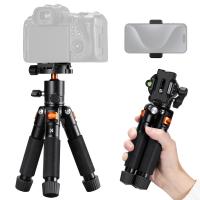
Let’s start from the ground up. A tripod’s primary job is simple in theory: be stable, functional, portable, and sturdy enough to carry the telescope and all its attached gizmos. In practice, this simple task becomes a challenge if a tripod is too light, too shaky, or made from budget materials. If aesthetics matter—perhaps you prefer the style of brushed aluminum or carbon fiber—you’ll often sacrifice performance for appearances. This is an infamous mistake. The dynamics also change based on the telescope in question; a lightweight spotting scope does not require the heavy-duty build that a weighty Schmidt-Cassegrain setup demands.
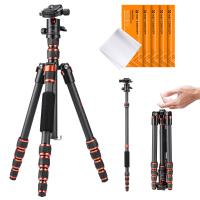
Material choice takes center stage when it comes to stability. Aluminum is the standard choice in affordable tripods, balancing weight and rigidity for most applications, but here’s a truth bomb: carbon fiber is the kingpin for those chasing portability. It’s lighter than aluminum and dampens vibrations sufficiently, but the tradeoff is cost. For users who are setting up shop in their backyard and rarely moving the equipment around, a steel tripod offers unmatched rigidity. It’s heavier, bulkier, but undeniably steadfast. A steel frame digs down into the ground, as if physically anchoring your celestial ambitions.
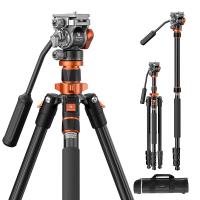
Now for the tripod legs. Adjustable legs with telescoping segments allow for configuring the tripod on uneven terrain, crucial if your preferred stargazing territory includes cliffs, beaches, or grassy plains. The locking mechanisms for those segments—be they lever-locks, twist-locks, or flip-locks—directly influence durability and usability. Lever-lock systems generally win in the "quick to adjust" department, capable of snapping into position when every second counts. Meanwhile, twist-locks are favored by those with an eye for simplicity and a desire to avoid too many moving parts potentially breaking. Choose wisely, because flimsy locks will crumble under pressure, leaving your telescope in an unplanned rendezvous with gravity.
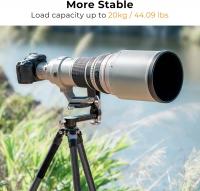
Beyond what meets the eye, the weight capacity of the chosen tripod cannot be ignored. A tripod carrying 60% of its official weight limit performs less optimally than one carrying only 20%. You want wiggle room—lots of it. Always verify the load capacity of both the tripod and its head mechanism to ensure combined sturdiness under weight. If your telescope weighs eight pounds after considering accessories like eyepieces, cameras, and possible counterweights, your tripod should support double that comfortably. Overloading leads to excessive vibrations and frustrations—a problem that no amount of balancing wizardry can solve.
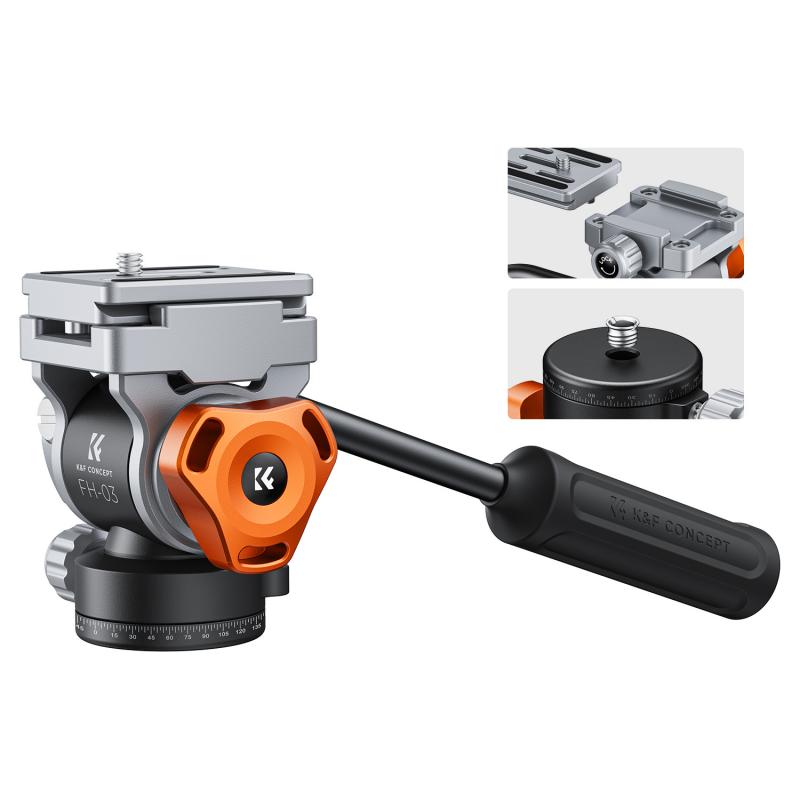
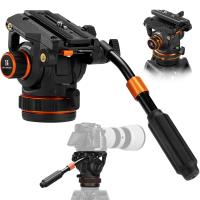
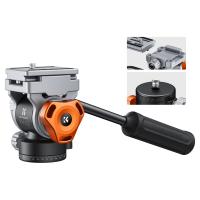
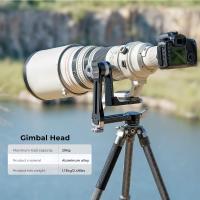
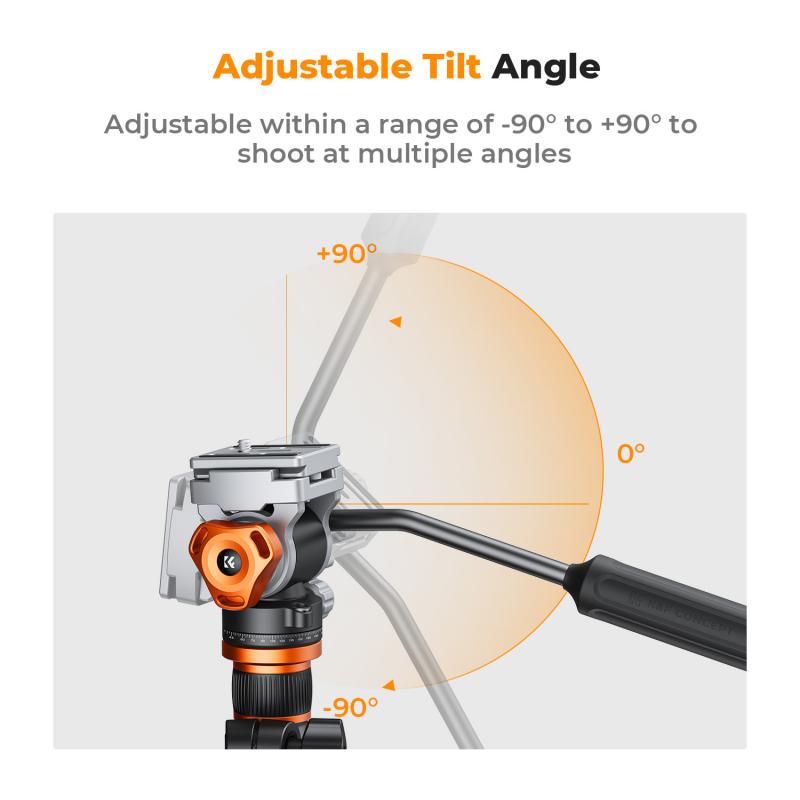
The heart of your tripod is the head. While the legs form the foundation, the tripod head defines the mobility, precision, and ease of use of your telescope. For stargazing, the alt-azimuth and equatorial heads dominate the field, each fulfilling unique needs suited to both beginners and professionals.
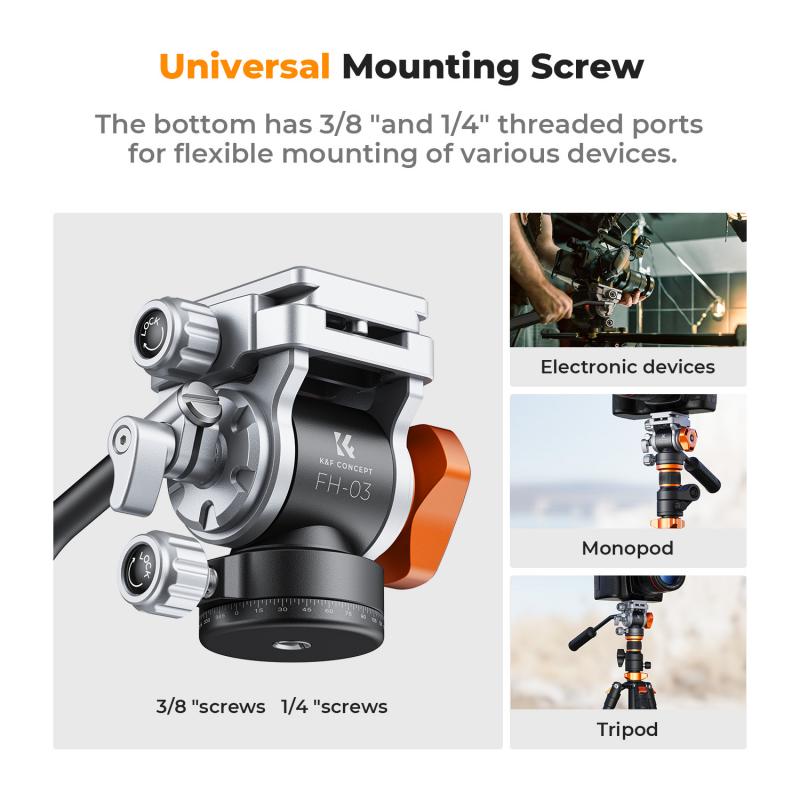
The alt-azimuth head is favored by casual observers, or those whose target is cataloging different objects in quick succession. The design is intuitive: one axis moves horizontally, the other vertically. A well-designed alt-az head offers fluid motion, sometimes backed by manual slow-motion controls or motorized tracking options. If you're looking for simplicity—a setup you can explain to a guest in under two minutes—this is your ideal match. Bonus: some computerized alt-azimuth heads offer GoTo capabilities for automatically locating celestial objects. That’s modern engineering flexing its muscles.
Professionals or more dedicated hobbyists often opt for equatorial mounts (EQ). The genius behind equatorial mounts is their alignment with Earth's rotational axis—so as Earth spins, your telescope compensates seamlessly when tracking objects across the sky. Sounds crisp and scientific, right? EQ mounts are ideal for astrophotography, where precision tracking over extended exposures makes or breaks your images. However, there’s a tradeoff: familiarity with polar alignment is compulsory, and setup time lengthens. If you're in it for the long haul, then mastering this mount type feels less like a chore and more akin to a ritual worth undertaking.
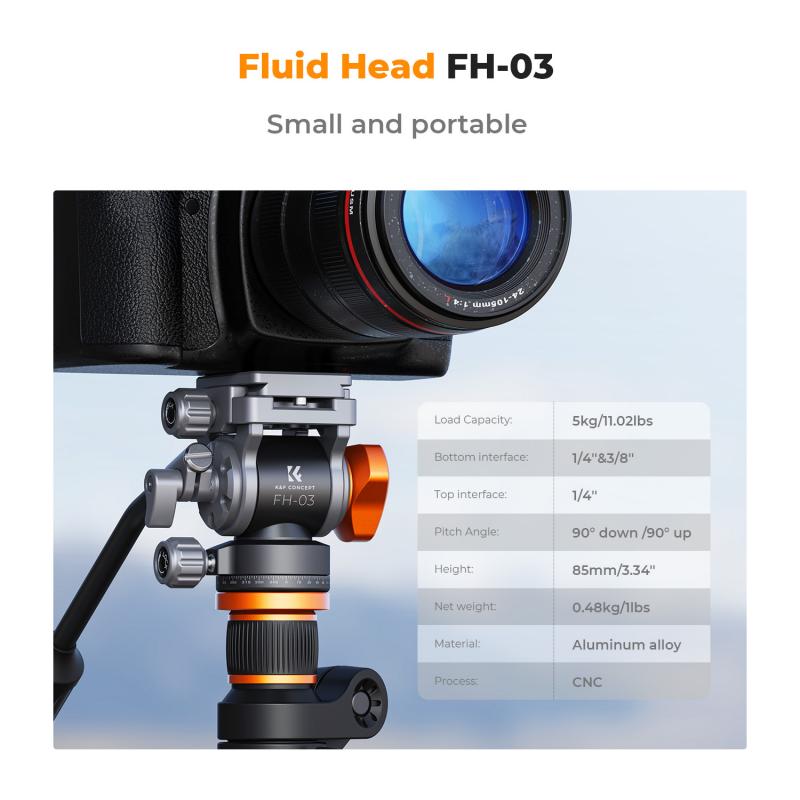
Under the umbrella of equatorial mounts, you’ll encounter German EQ mounts (GEMs) in particular—these hardy, purposeful designs shine when paired with larger telescopes. For extended observation or imaging sessions, their tracking precision triumphs. Pair that precision with the steady base of a steel tripod, and you’re practically immune to the creeping vibrations that ruin clear night sky visuals.
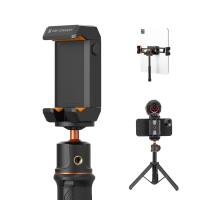
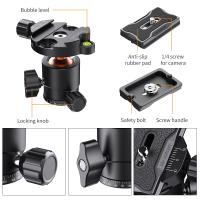
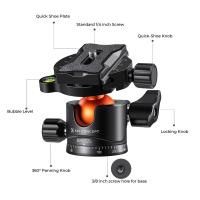
Control knobs add finesse and personalized control over adjustments. Fine-tuning celestial alignments is vital for astrophotographers collecting hours-long exposures of nebulae or star clusters, where millimeter-level adjustments carry consequences. Ball heads also have their niche, especially when attaching lighter telescopes or spotting scopes. The single locking mechanism provides simplicity and 360-degree motion. However, if you aim to chase stars rather than landscapes, ball heads will frustrate you with limited tracking capability—stick to alt-azimuth or equatorial for telescopic ventures.
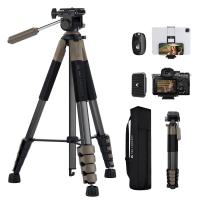
Now consider accessories. Some tripods offer built-in trays for eyepieces or other paraphernalia, saving you from the chaos of juggling equipment mid-observation. Spiked feet or rubber tips enhance terrain stability outdoors, ensuring the tripod firmly grips rocky soil or slippery tile. Again: stability. Never underestimate how much trouble instability can cause—you’ll miss meteor showers and lose Saturn’s rings to vibrations caused by the gentlest gust of wind or bump on the scope.
Lastly, don’t neglect portability. If your telescope weighs 35 pounds and your steel tripod adds an additional ten, consider how much effort you'll expend each time you lug it into the field. Packing lighter options and foldable builds often persuades less logistically inclined individuals to get outside more often.
To summarize: find synergy, not sacrifice. Match the tripod legs, head, material composition, and accessories to your telescope's weight capacity, your observational goals, and environment tools. A lightweight carbon fiber tripod sounds appealing but becomes irrelevant if it cannot handle the robust equatorial mount you're pairing with your 12-inch aperture beast. Conversely, a bulky steel tripod with a fluid alt-azimuth head can become overkill—and a backbreaker—if your primary interest is casual glances at the Moon and planets through a compact refractor.
So scrutinize every element. Layer function over function. And bid farewell to trembling views, hours lost in alignment frustration, and unplanned excursions into astrophotographic agony. Because with the right tripod and head, there’s only you, your telescope, and the cosmos waiting to meet you halfway.