How To Take Sports Pictures With Digital Camera?
Capturing engaging and dynamic sports photos with a digital camera can feel like painting in motion — an art that requires skill, timing, and a touch of technical wizardry. If you’ve ever found yourself frustrated by blurry images or lackluster shots, you’re not alone. Fortunately, with the right techniques and a little practice, you’ll be able to turn those fleeting moments into stunning images that exude energy and drama.
Gearing Up for the Game: Choosing the Right Equipment
Before even thinking about snapping photos, make sure your equipment matches the demands of the fast-paced environment. Here’s what you’ll need to ensure your gear is ready to rise to the challenge:
1. Camera Body
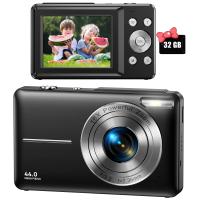
You don’t need the most expensive camera on the market, but a camera with fast autofocus capabilities and a high burst rate (frames per second) will give you an edge. Professional sports photographers love DSLRs and mirrorless cameras for their speed and versatility. Think of it like this: you wouldn’t race in a Formula 1 event with a city commuter car, right?
2. Lens Selection
Sports photography is often about capturing action from a distance, so a telephoto lens is your best friend. A lens with a focal length between 70mm and 200mm—or even 300mm if your budget allows—will let you zoom in on the action without compromising framing. Bonus points if the lens has a fast aperture (e.g., f/2.8 or f/4) for better low-light performance.
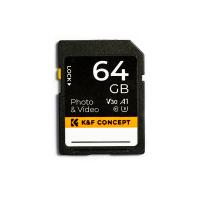
3. Memory Card
When you’re shooting at high burst rates, an ordinary memory card might slow you down with buffering issues. Get a memory card with a fast write speed — something in the range of 90 MB/s or higher works well.
Mastering the Technical Settings: Precision is Key
Even the best gear can’t make up for improper camera settings. Here’s how to configure your camera for optimal results:
1. Set Shutter Speed Like You Mean It
Sports photography is all about freezing motion, so you’ll want a fast shutter speed to avoid blur. As a rule of thumb, start with a shutter speed of at least 1/1000th of a second for fast-moving subjects. If the lighting is poor, you may need to adjust ISO or aperture to compensate, but never skimp on shutter speed — this is your golden ticket to crisp shots.
2. Go Manual with Aperture Priority or Manual Mode

Use Aperture Priority mode (A or Av on most cameras) to control depth of field. A wider aperture (lower f-number) will blur the background to isolate your subject. Alternatively, full manual mode lets you lock all your settings for complete control, but be ready to adapt quickly if lighting conditions change.
3. ISO: The Unsung Hero
High shutter speed and narrow aperture need light — so if the sun isn’t cooperating, bump up your ISO settings. Modern cameras handle high ISO values quite well without introducing excessive grain, so don’t be shy about stepping into the 1600 or 3200 range. Always test beforehand to see how much is “too much” for your specific camera model.
4. Autofocus Settings

Fast-moving players won’t wait for your camera to focus, so use continuous autofocus (AI Servo/AF-C mode). Pair this with a focus tracking feature, ensuring your camera locks onto the subject even as it moves unpredictably.
5. Burst or Continuous Shooting Mode
Enable burst mode to maximize your chances of capturing the perfect instant. Shooting at 8-15 frames per second means you can zero in on the exact millisecond where a player lands a slam dunk or makes an explosive tackle.
Framing the Action: Composition Tricks
Beyond the technical settings, good sports photography requires an intuitive eye for composition. Here are some pro tips:
1. Anticipate Movement
Sports photography isn’t just about reacting to what you see — it’s about predicting where the action is headed. Study the sport you’re photographing to recognize patterns. For instance, in soccer, watch how players position themselves for passes, or in basketball, focus on the player commanding the ball.
2. Golden Rule of the Rule of Thirds
While action shots often call for creative framing, using the rule of thirds is a reliable way to showcase momentum and flow. Position your subject off-center, leaving space for where they’re heading.
3. Capture Emotion
For truly captivating images, don’t stop with the athletes. Zoom in on faces for expressions of triumph, defeat, and determination. The raw emotion is where storytelling becomes a visual feast.
4. Include Context
Don’t just chase the ball—move beyond the play to incorporate the crowd, the scoreboard, or the coach on the sidelines. These contextual elements transform simple action shots into powerful narratives.

Dodging Obstacles: Practical Tips for Game Day
Sports shoots come with their fair share of challenges. Here are some logistical tricks to keep you game-ready:
1. Arrive Early and Scout the Field
Whether it’s a football stadium or a school gymnasium, arrive early to assess the lighting, vantage points, and potential obstructions. Plan out where you’ll position yourself for optimal angles.
2. Respect Boundaries
Whether you’re courtside or on the sidelines of a soccer game, remember that sports photographers must avoid interfering with play. If you are accredited, follow the rules strictly, and if you’re shooting as a hobbyist, stay in spectator zones.
3. Pack Smart

Carry spare batteries and memory cards. Nothing kills creativity more than a "low battery" warning just as the game gets exciting. Also, consider bringing protective gear if the weather looks dicey — nobody wants rain on their lens in the 89th minute of a dramatic soccer match.
4. Adapt to Lighting Conditions
Day games versus night games versus indoor arenas — each brings its own lighting quirks. At a nighttime event, use stadium lighting to your advantage while making adjustments to ISO and white balance. For indoor games, watch out for fluorescent lighting’s inconsistent color tints.
Post-Game Triumph: Enhancing the Shots
Even the sharpest shot straight out of the camera might need a little post-processing for a touch of magic. Here’s how to make your images sing:
1. Crop Intelligently
Use cropping to tighten the composition and remove any distracting elements. Focus on highlighting the player’s movement or interaction.
2. Adjust Exposure and Contrast
Pay close attention to exposure — sometimes you’ll need to lift shadows or slightly reduce highlights. Adding a touch of contrast can bring more drama to your image.
3. Sharpness and Detail Enhance
If a shot lacks some punch, use sharpness sliders to bring the details forward. Be careful not to overdo it – nobody likes an image that looks unrealistically "digitalized."
4. Deliver Your Story
Showcase your final images in a way that complements their energy. Whether it’s sharing them on social media, creating digital galleries, or printing them for players and fans, make sure they shine in their intended context.
Whether you’re tracking soccer players sprinting across the field, basketball stars leaping for blocked shots, or gymnasts defying gravity, sports photography combines technical prowess with an eye for storytelling. Every photo is an opportunity to freeze life mid-motion, revealing its beauty, its grit, and its glory. Take your camera, lock in your settings, and step into the fray — the thrill of the game awaits!

![4K Digital Camera for Photography & Video [Autofocus and Stabilisation] 48MP 16X Digital Zoom 3” 180° Flip Screen Vlog Camera with 32G SD Card, Flash Kentfaith](https://img.kentfaith.de/cache/catalog/products/de/GW41.0065/GW41.0065-1-200x200.jpg "4K Digital Camera for Photography & Video [Autofocus and Stabilisation] 48MP 16X Digital Zoom 3” 180° Flip Screen Vlog Camera with 32G SD Card, Flash Kentfaith")