What Is Field Of View In Binoculars?
Field of view (FOV) is a fundamental concept in optics, particularly when it comes to understanding binoculars. In simple terms, it refers to the width of the area you can see through the binoculars at a given distance. Think of it as the size of the "window" you’re looking through when observing a scene or an object. It's a measurement that can make the difference between spotting a shy bird in dense shrubbery and missing it altogether—or between effortlessly scanning a large area and squinting in frustration trying to track moving subjects.
Before diving into the nitty-gritty of FOV in binoculars, it’s important to understand why this parameter exists and how it’s influenced by the design of binoculars. And since I know you’re reading this with at least one eyebrow raised, wondering why numbers and nerdy optics matter for relaxing bird-watching or spying on Jupiter (hopefully without losing your neighbor’s dogs in the field of view), let me assure you: mastering the FOV concept is not only practical but wildly satisfying for choosing and using binoculars.
How Field of View Works
Imagine you’re standing in a field with your binoculars aimed at a gorgeous mountain ridge in the distance. The "field of view" for those binoculars tells you the width of the horizontal area, usually measured in feet or meters, that you can see at a specific distance—traditionally 1,000 yards or 1,000 meters. For example, if your binoculars have a field of view of 330 feet at 1,000 yards, it means that you can observe a patch of the landscape that spans 330 feet wide at that distance. If the field of view narrows to 220 feet, your viewing area becomes more limited.
This width measurement matters in two major ways:
1. Tracking Moving Objects: A wider field of view is ideal for observing action-packed situations, like tracking birds in flight or watching players in a soccer game. With more visual "real estate," you can keep subjects in frame without needing to pan constantly.
2. Scanning Large Areas: If you’re a wildlife observer or stargazer, FOV impacts how quickly—and enjoyably—you can scan for targets. Wide fields let you explore without tunnel vision, while narrower fields could leave you feeling boxed in.
What Affects Field of View?
Binoculars aren’t magic; they rely on specific principles of optics to deliver your desired viewing. Several factors influence the field of view:
1. Magnification
The magnification power of the binoculars—which determines how close your view feels to the object in question—is critical. Higher magnification results in a narrower field of view. If you’ve ever driven in reverse while craning your neck to look into a narrow parking spot, you’ve experienced the visual sensation of "high zoom, low FOV." Magnifications like 8x (medium) or lower, such as 7x, typically offer broader fields of view. Meanwhile, 10x magnification and above are magnificent for scrutinizing details but have less utility for tracking moving subjects because your window of vision becomes smaller.
2. Objective Lens Diameter

The objective lens is the lens at the end of the binoculars—the opening that collects light. Larger objective lenses can deliver sharply brighter images, but the size itself also interacts with the field of view. As a general rule, larger lenses tend to provide a slightly broader field of view while also allowing more light to pass through, which is particularly useful for low-light situations.
3. Apparent Field of View vs. True Field of View
To add an extra layer of nuance—and perhaps an excuse for binocular manufacturers to print fancier-sounding specifications—a distinction arises between "true" and "apparent" fields of view. True FOV refers to the actual measurement at a set distance (e.g., 300 feet at 1,000 yards), while apparent FOV factors in magnification to provide an angular measure of how "wide" the view seems as you look through the eyepiece. So there’s a direct relation between magnification, angular measurements, and the sense of how much landscape feels available for inspection at once.
How Can You Choose the Right Field of View?
When buying binoculars, choosing the right FOV depends on your primary purpose. Ask yourself the following:
Birdwatching, Sports, or Action
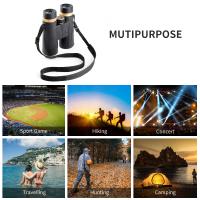
If your focus is dynamic environments—for instance, tracking a swallow in its aerial acrobatics or following passing players on a soccer pitch—opt for binoculars with medium to low magnification (e.g., 7x or 8x) and a wide field of view. Numbers like "350 feet at 1,000 yards" are music to your ears here.
Stargazing or Hunting for Detail
If you’re hunting elusive details—whether on distant mountain ranges or in starry skies—higher magnification (10x or more) will likely serve you better. You'll sacrifice a bit of width (FOV) for precision and zoom, but if your targets tend to be stationary or widely spaced—a planet doesn’t dart around like a falcon—you’ll benefit.
Hiking and General Wildlife Observing
Ah, the generalist dilemma—needing your binoculars to be a one-size-fits-all accessory rather than a hyper-specific specialist tool. For most hikers and wildlife lovers, balance is king. Aim for 8x magnification with an excellent compromise field of view, somewhere between 300 to 350 feet at 1,000 yards. Such configurations allow flexibility without leaving you squinting when something suddenly flits to your peripheral vision.
The Role of Technology and Coatings
A hidden hero in the field of view debate lies in lens coatings and the overall quality of your binocular optics. High-grade coatings can reduce distortions and maximize clarity even for narrower fields, while poorly designed optics might result in a usable window of vision that feels oddly cramped or blurry—ironic considering the official specs might look fine.
Modern binoculars offer multi-coated lenses and other enhancements that reduce peripheral color fringing (chromatic aberration) or annoying fuzzy edges—turning wide fields of view into views you’ll genuinely enjoy scanning.
In Practice: FOV Isn’t Just Numbers on a Page
The beauty of field of view isn’t just a technical specification; it’s how it interacts with your perspective. Let’s say you've chosen binoculars with 450 feet FOV at 1,000 yards for wildlife observation. What does that translate into? Picture yourself gazing across a serene lake at sunset, where every ripple of water, every distant bird fishing, and every fleeting shadow of a fox becomes visible within an expansive, unmarred visual frame.
Contrast that with high-magnification binoculars offering 220 feet at the same distance. You’ll see the sheen on the fox’s fur from farther away but might lose sight of the surrounding scene—which matters when that fox, sensing its observer, darts out of view before you’ve had time to appreciate the moment.
Field of view in binoculars is not just a spec line tucked into product descriptions; it’s a deciding factor in how effectively—and joyfully—you engage with the world through glass lenses. Whether you’re tracking motion, peering into infinity, or simply trying to bring beauty closer, understanding FOV helps you strike the perfect balance between immersive observation and pinpoint precision. So the next time you’re scanning binocular options, remember this truth: while magnification may steal the spotlight, the field of view ensures you see the whole show. Grab your gear, gaze deep, and keep your eyes wide open!