What Is Pir Mode On A Trail Camera?
Passive Infrared (PIR) mode is a feature commonly found on trail cameras that uses an infrared heat signature detector to sense motion. It’s one of those underrated gems in modern technology that works so well you'd think it has a mind of its own. But, alas, it’s not magic—just clever engineering. PIR mode efficiently detects changes in infrared radiation levels caused by moving warm objects like animals, humans (or even yourself if you’re not careful while setting it up). Essentially, it’s an ingenious tool designed to turn your trail camera into a vigilant, heat-sensing observer.
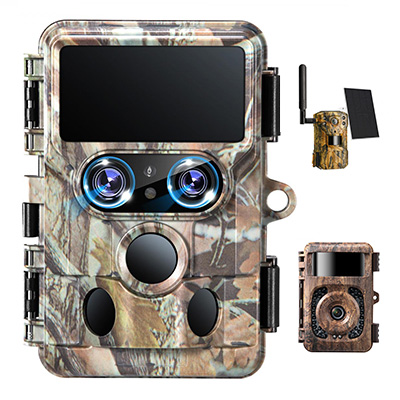
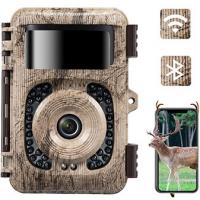
Trail cameras equipped with PIR sensors have revolutionized how hunters, wildlife enthusiasts, and researchers monitor activity in the field. Instead of capturing footage continuously—which wastes storage space, battery life, and your sanity—the PIR sensor triggers the camera only when motion associated with a heat source is detected. This means if a deer gracefully saunters into the camera's field of view, the PIR sensor wakes up the camera like it's saying, “Hey, buddy, you might want to capture this!” On the flip side, if nothing moves within its detection range, the camera stays blissfully asleep, conserving resources.
How Does PIR Mode Work?
Let’s get nerdy for a moment, shall we? PIR sensors measure infrared light (a type of electromagnetic radiation) emitted by objects in their vicinity. Since warm-blooded animals, humans, and even cold-blooded creatures like reptiles release infrared energy, the sensor can detect these thermal signatures. Here's the kicker: it’s not just detecting heat—it’s watching for movement of the heat source. When your local raccoon decides it’s snack time and scampers across the detection zone, the shift in heat signature activates the PIR sensor.
To clarify, PIR sensors are not omniscient; they have limitations based on range, sensitivity, and environmental conditions. Most trail cameras advertise a detection range (say, 60 to 100 feet), but this is often in optimal conditions. If fog rolls in or temperatures drop severely, the effectiveness may decrease since the temperature differential between the environment and the object you're trying to detect is lower.
Why Is PIR Mode Important?
You might think, “Okay, great, it detects motion… So what?” Well, the beauty of PIR mode lies in what it represents—efficiency and precision. Without it, a trail camera would be a colossal debacle in resource management. Imagine sifting through thousands of hours of footage where nothing but wind-blown leaves and shadows dance in the video frame. With PIR, you’re zooming in on the moments that matter, like a squirrel dramatically staring straight into the lens or a curious fox investigating a scent trail.
Furthermore, PIR mode maximizes battery life. Since most trail cameras operate on battery power, all the action—recording or snapping photos—requires energy. Without PIR, your camera might decide it wants to film empty fields 24/7, draining your batteries faster than you can say “wildlife observation” and forcing you to swap batteries during peak animal activity. PIR is your wallet's best friend, whether you're running on AA or rechargeable lithium batteries.
Practical Settings in PIR Mode
Trail cameras typically allow you to adjust PIR sensor settings to better suit your specific needs. This configuration control ensures you nail the Goldilocks zone—neither detecting irrelevant movement nor missing actual wildlife encounters. Below are a few adjustable parameters most trail cameras offer:
1. Sensitivity: Think of sensitivity as the camera’s "alertness." High sensitivity detects minor movements (even the twitch of a rabbit’s ear), whereas low sensitivity filters out small movements and waits for larger, more obvious signatures. High sensitivity might be great for capturing smaller animals but is terrible for windy conditions where every gust activates the sensor. Low sensitivity, meanwhile, may miss smaller critters altogether. Balance is key.
2. Detection Range: Cameras sometimes allow you to set the detection range based on your area of interest. If you’re looking over an open field, a 100-foot detection range might be ideal. On the other hand, if your focus is narrower—a pathway or feeding station—then reduce the detection range to avoid unnecessary activations.
3. Trigger Delay: This one’s tricky but useful. If you’re stationed near an environment with a lot of repetitive activity (like a busy squirrel highway), setting a trigger delay prevents the camera from taking continuous pictures every second. Instead, it might activate every five minutes to ensure you’re not overwhelmed with redundant imagery.
4. Time of Activity: Some cameras feature Time Lapse Mode or customizable time slots for PIR activation. For example, you know deer pass through during dawn and dusk, so you schedule PIR activation only during those windows. This minimizes the likelihood of irrelevant nighttime triggers.
Common Problems with PIR Mode and How to Mitigate Them
Like any technology, PIR mode is not infallible. For example, it’s prone to false triggers when exposed to environmental factors like sunlight bouncing off water bodies or dry leaves fluttering in the breeze during a scorcher. No one wants to weed through false alarms, so here are some savvy ways to outwit the system:
1. Camera Placement: Smart positioning is half the battle. Avoid pointing your camera directly into the sun or at reflective surfaces—PIR sensors can get "confused" when faced with radiant heat. Angle the camera slightly downward to catch wildlife in the detection zone while minimizing extraneous heat sources.
2. Managing Vegetation: Clear out excessive underbrush or taller grasses in the PIR sensor’s detection range. When wind rustles leaves or shifts grass in hotter temperatures, the sensor might interpret this as motion-driven heat and wastefully capture pictures of nothing exciting.
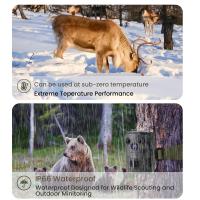
3. Adapting to Weather: PIR effectiveness dips in extreme conditions, like freezing temperatures or sweltering heat. If you're operating in such environments, understand that you might need to tweak sensitivity or accept limited detection accuracy.
Is PIR Just for Wildlife?
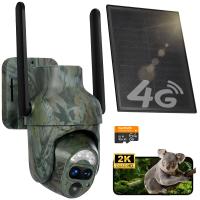
Let’s not pigeonhole PIR’s capabilities—trail cameras with this technology are versatile. Farmers use them to monitor livestock movement, homeowners set them up for security (imagine catching an intruder literally red-handed), and researchers employ them to study animal behavior without interfering with the natural habitat. The possibilities are endless; you’re limited only by your creativity and patience to read the manual.
Final Thoughts
Trail cameras featuring PIR mode demonstrate the quintessential marriage of tech and practicality. By detecting heat and motion combined, these devices cut through the noise to deliver worthwhile data. Whether you’re scouting hunting spots, admiring wildlife, or upgrading your security arsenal, understanding PIR mode transforms your trail camera from a fancy gadget into a mighty reconnaissance tool.
So, the next time someone asks why you’re fiddling with a trail camera in PIR mode, drop some of this knowledge and watch their eyes widen in awe—or flourish your explanation with tech-savvy humor if you’re feeling particularly charismatic. Who knew that the humble act of monitoring heat signatures could be so thrilling?