What Level Do Carbon Monoxide Detectors Go Off?
Carbon monoxide (CO) is a colorless, odorless gas that can be potentially lethal when inhaled at high levels. Since it is impossible to detect carbon monoxide without specialized equipment, households and workplaces use carbon monoxide detectors to monitor levels of the gas in the air and activate an alarm when dangerous concentrations are present. Understanding the functionality of these detectors, especially the levels at which they trigger alarms, is crucial to safeguarding against CO poisoning.
How Carbon Monoxide Detectors Operate
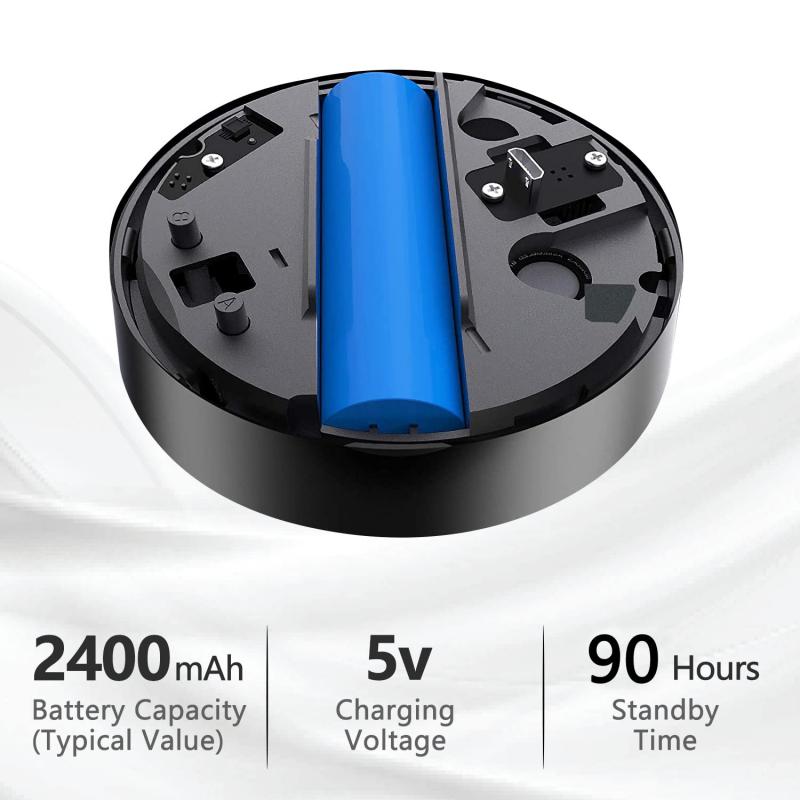
Carbon monoxide detectors are equipped with sensors that measure the concentration of CO in parts per million (ppm). Most modern detectors are designed to sound an alarm within a specified timeframe as concentration levels increase. This activation follows standards set by governing authorities like the Underwriters Laboratories (UL) or the National Fire Protection Association (NFPA) to ensure a graded response depending on the level of CO detected.
The specificity of response times and levels varies by device, but detectors generally take into account both the concentration of carbon monoxide and the length of exposure, based on research about how CO affects the human body.
Alarm Thresholds for Carbon Monoxide Detectors
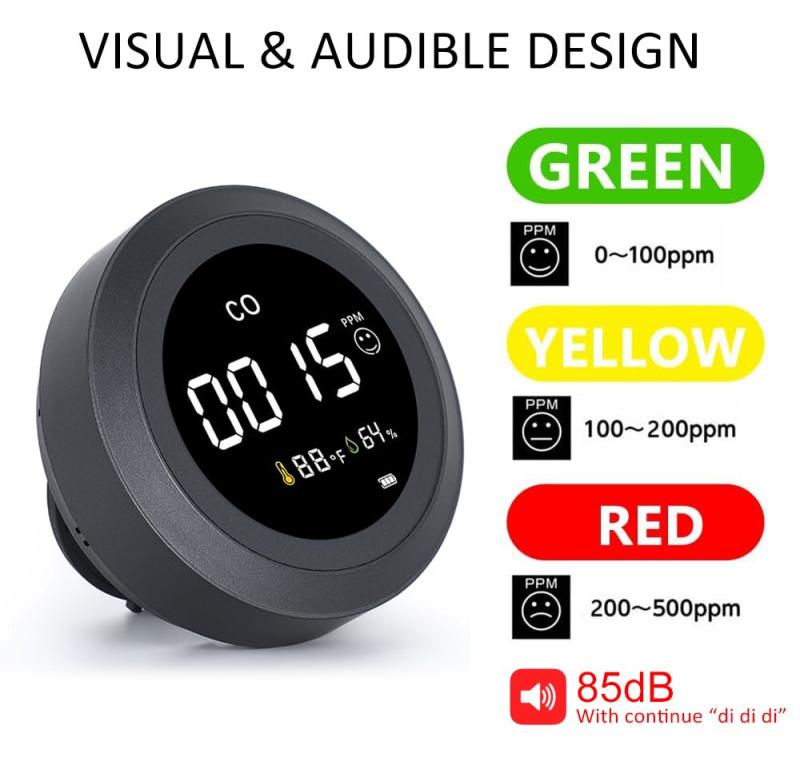
Carbon monoxide detectors are programmed to alarm at specific thresholds aligned with safety standards. These thresholds are designed to provide sufficient warning to mitigate the risk of CO poisoning. Below are the typical ppm levels at which alarms activate:
1. Low-Level Exposure (50 ppm – 70 ppm): Detectors may alarm if CO levels reach 50-70 ppm, but only after prolonged exposure hours. This is because low concentrations require sustained inhalation to cause health symptoms, such as mild headaches and fatigue. A detector might alarm at 50 ppm after 4-8 hours of constant exposure, depending on the manufacturer's specifications.
2. Moderate Exposure (100 ppm – 200 ppm): At these levels, symptoms such as dizziness and confusion become more likely. Detectors often sound their alarm if CO concentrations reach 100 ppm after 1-2 hours, or 200 ppm after just 30 minutes to 1 hour of exposure.
3. High Exposure (300 ppm or above): Levels above 300 ppm are considered life-threatening and require immediate action. Detectors should alarm within a few minutes (less than 15 minutes) of exposure at these concentrations. CO poisoning at these levels can result in collapse, unconsciousness, and even death without prompt intervention.
Why Timely Alarms Matter
CO poisoning occurs because the toxic gas inhibits the ability of red blood cells to transport oxygen throughout the body. Symptoms typically escalate as exposure continues:
Low-Level Poisoning: Mild symptoms such as headache and nausea.
Moderate Poisoning: Dizziness, confusion, and shortness of breath.
Severe Poisoning: Loss of consciousness, organ damage, or fatality.
Detectors help users take action before symptoms appear—a critical safeguard in situations where carbon monoxide might be undetectable otherwise, such as malfunctioning appliances, vehicle exhaust leaks, or poor ventilation.
What Happens When Your Carbon Monoxide Detector Goes Off
When the alarm triggers, it is vital to treat the situation with urgency, regardless of whether you feel immediate effects of poisoning. Follow these steps to ensure your safety:
1. Ventilate Space:
- Open all windows and doors to allow fresh air to enter and pollutant gases to dissipate.
- Turn off any fuel-burning appliances.
2. Evacuate:
- Leave the premises and go to a safe location with fresh air.
3. Contact Emergency Services:
- Alert emergency responders about the situation. They can investigate the source of carbon monoxide.
4. Have the System Serviced:
- Arrange for a professional technician to inspect and repair the suspected CO source, such as heating systems, gas stoves, or fireplaces.
Are All Carbon Monoxide Detectors the Same?
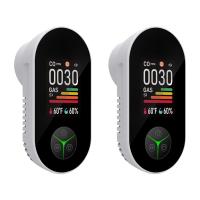
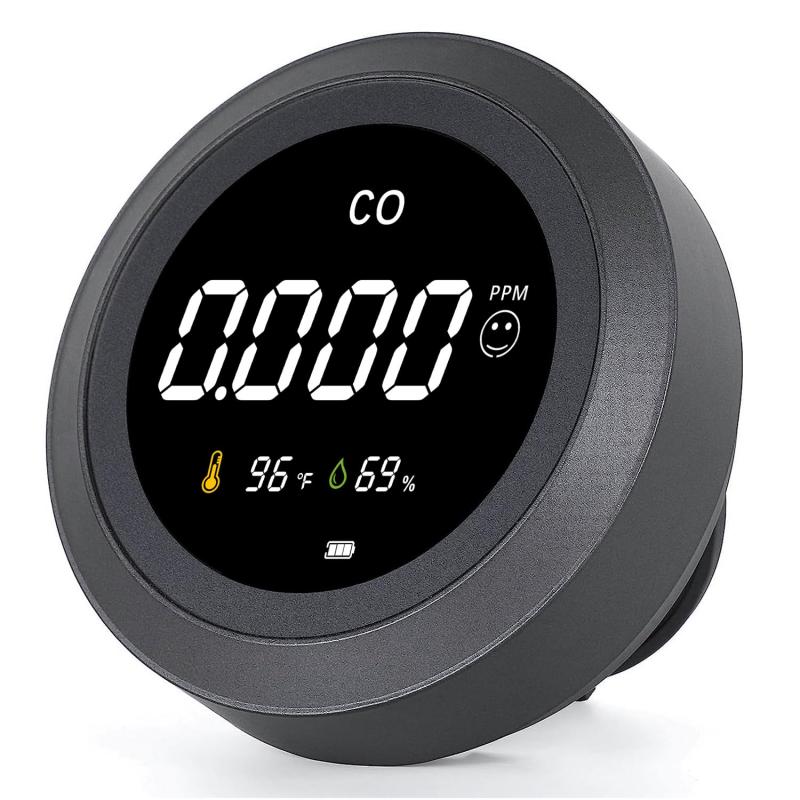
The thresholds outlined above are based on standards like UL 2034 in the United States, which specify the maximum times and levels before alarms must sound. However, not all detectors operate identically. For example, some advanced models feature digital readouts that display CO levels in real time or integrate smart technology to notify users via mobile applications. When choosing a carbon monoxide detector, consider the following factors:
Alarm Sensitivity: Ensure the device complies with UL or NFPA standards.
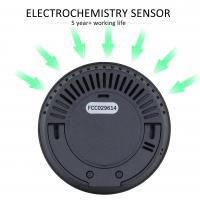
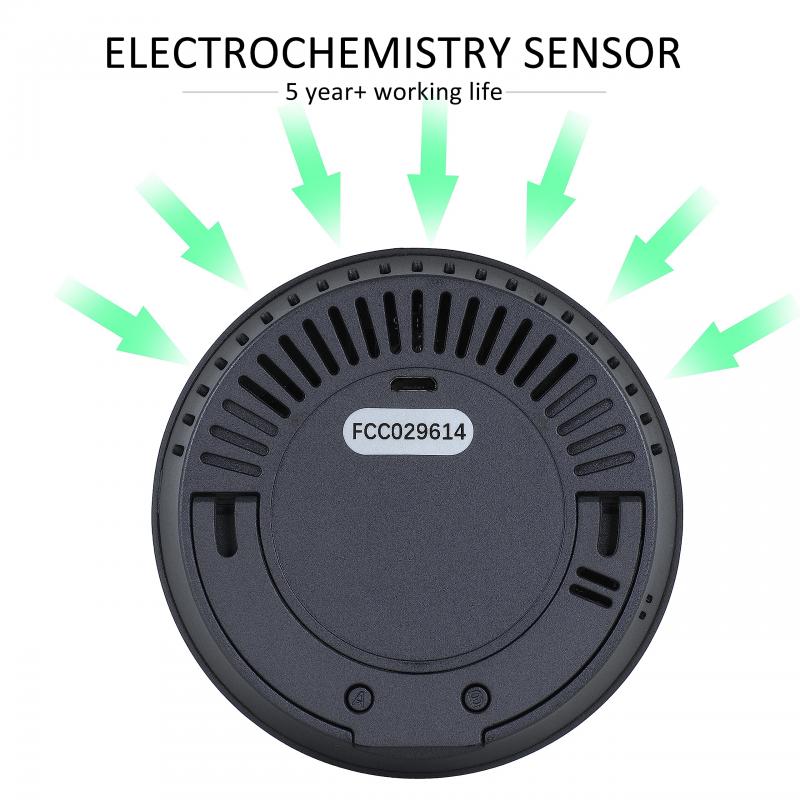
Type of Sensor: Electrochemical sensors tend to be reliable and accurate for detecting CO.
Power Source: Devices may operate on batteries, hardwired power, or plug-in systems. Battery-powered detectors prevent issues during power outages.
Location of Installation: Place detectors near sleeping areas and on each floor of the home for maximum coverage.
Preventing Carbon Monoxide Risks
While detectors are essential, preventative measures can further reduce the likelihood of harmful CO exposure. The most important steps include:
1. Regular Maintenance: Have heating systems, chimneys, and gas appliances inspected annually by a professional.
2. Proper Ventilation: Ensure all spaces are adequately ventilated, particularly areas where fuel is burned.
3. Stick to Safe Practices: Never use outdoor equipment like charcoal grills or generators indoors, as they generate significant amounts of CO.
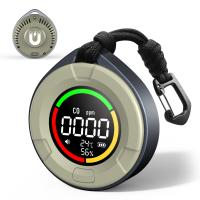
4. Use CO Monitors in Vehicles: If you spend a lot of time in enclosed spaces with vehicle exhaust, consider portable CO monitors.
Common Misconceptions About Carbon Monoxide Detectors
Many people misunderstand the functionality of carbon monoxide detectors. Here are a few clarifications:
1. Odorless Nature of CO: Unlike smoke, carbon monoxide has no smell, taste, or color, which is why detectors are necessary.
2. False Alarms: Some users worry about false alarms; however, most detectors calibrate carefully to eliminate minor inaccuracies in measurement.
3. No Immediate Symptoms: Just because you do not feel symptoms when the alarm sounds doesn’t mean CO levels aren’t dangerous. Detectors act preemptively.
4. Battery Power: Failing to periodically test batteries or replace older units can render the detector useless in emergencies.
Conclusion: Importance of Awareness and Action
Carbon monoxide detectors play a critical role in preventing CO poisoning. Understanding the alarm thresholds clarifies how detectors protect you from escalating exposure levels, making it evident that their utility extends beyond just detecting the gas. Once triggered, detectors prompt you to evacuate, get fresh air, and seek professional help, providing life-saving opportunities at each point.
Modern detectors, combined with preventative maintenance measures, significantly mitigate risk, yet it is up to homeowners and business operators to install devices correctly and ensure proper upkeep. By staying informed about how carbon monoxide detectors function and responding appropriately when alarms sound, we can create safer environments for everyone.
![Carbon Monoxide Detectors Portable Temperature Detector/Humidity Sensor/Air Quality Meter Smoke CO Gas Monitor [3 in 1] Alarm](https://img.kentfaith.de/cache/catalog/products/de/GW40.0007/GW40.0007-1-200x200.jpg "Carbon Monoxide Detectors Portable Temperature Detector/Humidity Sensor/Air Quality Meter Smoke CO Gas Monitor [3 in 1] Alarm")