Which Binoculars For Wildlife?
When you venture into the breathtaking realms of wildlife observation, binoculars become more than a tool—they're your portal to nature's infinite stage. Selecting the right pair can be as exciting (and daunting) as the promise of spotting rare birds, elusive mammals, or even the subtleties of fluttering insects. However, the process requires a keen eye for specifications that match both your needs and the environments you'll traverse. Strap yourself in because we’re about to break down the art and science of choosing the perfect binoculars for wildlife watching.
Understanding the Optical Numbers Game
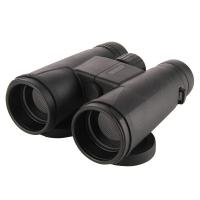
When you shop for binoculars, you're greeted by a series of numbers—typically written as "8x42" or "10x50." Grasping what these mean is key. The first number (the "8" or "10") represents the magnification power. An 8x binocular zooms in objects eight times closer than they appear to the naked eye, while a 10x zoom does so ten times. Sounds simple enough, but here's the catch: bigger isn't always better.
While higher magnification sounds tempting, it’s not ideal for all scenarios. Increased magnification magnifies not just the animal you’re observing but also your own hand movement. Without stabilization, you'll struggle to keep a high-magnification image steady. For wildlife tracking, a magnification of 8x or 10x is the sweet spot where intimacy meets practicality. Opt for 10x binoculars if you plan to perch in one spot (think birdwatching or waiting for large prey to appear). Conversely, go with 8x for active treks or scanning broader landscapes.
Now, onto the second number (say, the "42" in 8x42)—this is the diameter of the objective lens in millimeters. Larger lenses collect more light, making them great for early morning or twilight excursions. However, they also add bulk to the device. A 42mm lens achieves a perfect balance between brightness, weight, and size, making it an ideal companion for wildlife watchers.
Field of View: Don’t Miss Out on the Big Picture
Have you ever tried following a zippy bird as it darted through trees? If so, you'd know the agony of losing it every two seconds. Here’s where "field of view" (FOV) comes into play. Binoculars with a wider field of view allow you to take in larger swaths of landscape without endless re-adjustments. This specification, measured in feet at a distance of 1,000 yards, is critical for tracking fast-moving animals.
Generally, binoculars with lower magnification (like 8x) offer wider FOV than those with higher magnifications. So, if your primary interest is birds or any creature prone to sudden scurries, prioritize models with a high field of view.
Focus Mechanics: The Good, the Bad, and the Frustrating
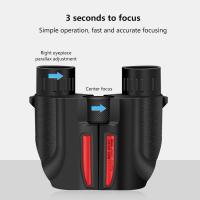
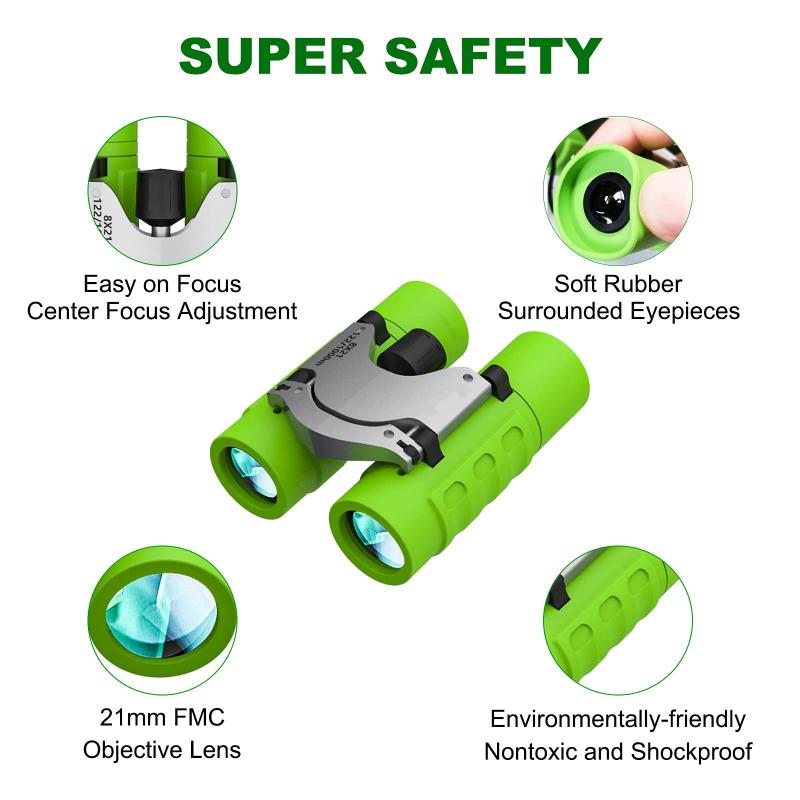
Wildlife waits for no one (except maybe sloths). Your ability to rapidly bring objects into focus will dramatically affect your experience. Binoculars typically feature either center-wheel focus or individual eyepiece adjustments. The center focus wheel is far more intuitive for beginners and multitaskers, as it allows single-handed adjustments for both eyes. Individual eyepiece focus systems, though offering precision, might slow you down when tracking fleeting wildlife.
Additionally, check the "close focus distance." Some binoculars can zoom in on items as close as three feet away—great for observing butterflies or lizards right at your boots. Close focus also means you don’t have to keep resetting the optics when switching between near and distant views.
Lens Coatings: Battling Nature’s Lighting Tricks
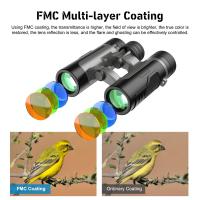
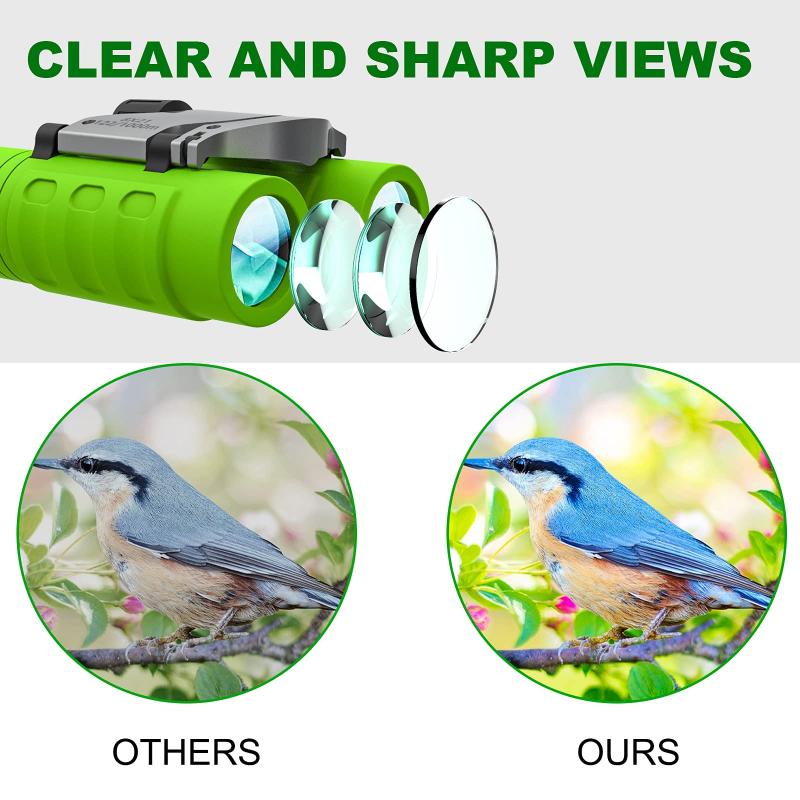
Here’s a secret many buyers overlook: lens coatings can make or break your wildlife watching experience. Coated optics reduce glare and enhance contrast, allowing sharper views even in tricky lighting conditions like dappled forest sunlight or milky twilight skies. When choosing binoculars, aim for models labeled with "fully multi-coated lenses." This ensures layers of anti-reflective coating across all glass surfaces—not just a token coating on one lens.
Bonus jargon alert: Keep an eye out for "phase correction coatings" on roof-prism binoculars. These counteract slight distortions that could otherwise dull image quality. They’re a must for wildlife enthusiasts seeking razor-sharp clarity.
Weight and Ergonomics: Because Holding a Brick Is Not Fun
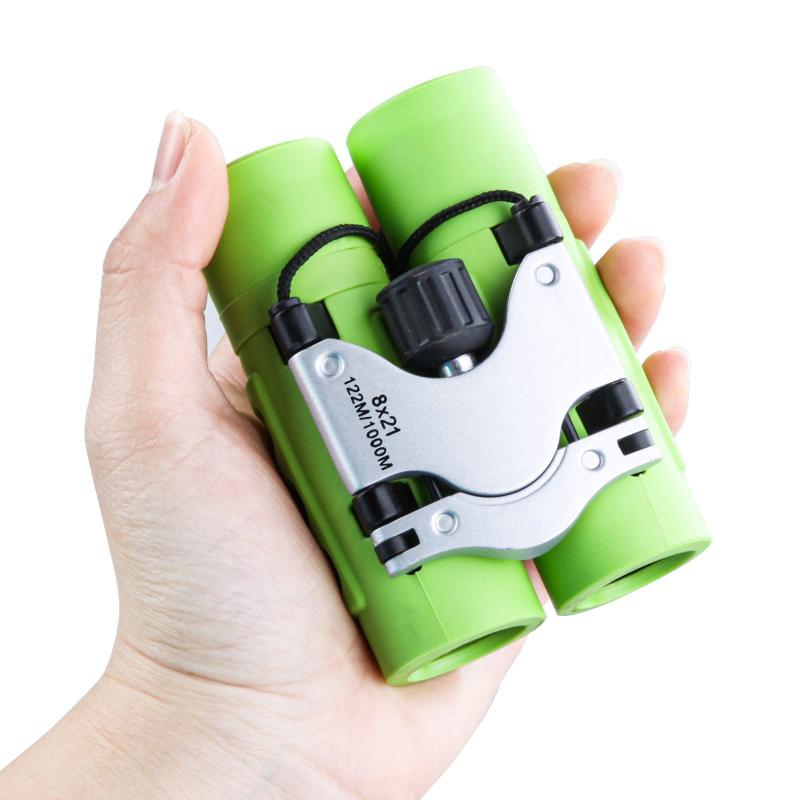
Let’s face it—binoculars spend a lot of time around your neck and in your hands. Weight and grip design can make the difference between hours of joyful spotting and leaving them behind in a fit of frustration. While more powerful binoculars tend to weigh more, it’s worth sacrificing a bit of power for smaller, lighter models if comfort matters to you.
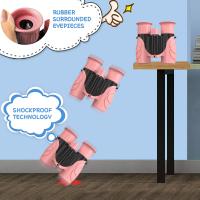
Focus on getting a device with a rubberized exterior for shock absorption and slip-resistant grips—a lifesaver during rain-soaked expeditions. Also, consider picking up a lightweight harness or strap to distribute the weight evenly across your shoulders, freeing your neck from undue burden.
Durability: Prepping for Nature’s Wrath
Wildlife exploration isn’t always smooth sailing (or hiking). Between muddy forest trails and coastal wind gusts, you need binoculars that can withstand the elements. Models labeled as "waterproof" or "fog-proof" are essential when you’re venturing into areas rife with extreme weather. Waterproof binoculars are sealed and filled with nitrogen gas to prevent moisture from condensing inside the lenses—ideal for humid environments or sudden downpours.
Don’t forget to check if the casing feels solid against knocks and tumbles. That ruggedness might save your investment if a slippery rock decides to betray you mid-adventure.
Price: The Harsh Reality of Budget Constraints
While it’s tempting to chase the most sophisticated gadget on the shelf, the price tag often dictates reality. Here's a rough breakdown:
- Budget binoculars ($50–$200): Decent for casual trips or beginners but often lack advanced coatings and precision.
- Mid-tier models ($200–$500): A perfect balance of performance, durability, and affordability. These cater well to most wildlife enthusiasts smashing trails regularly.
- High-end optics ($500+): The crème de la crème for professionals or ardent hobbyists. Exceptional clarity, robust construction, and premium coating technologies—these are less tools, more heirlooms.
The good news? Entry-level binoculars from reputable brands punch well above their weight in delivering solid optical performance.
The Brands That Earn Their Stripes
Some brands are essentially royalty in the realm of binocular manufacturing. Consider these:
Nikon Monarch Series: Famous for balance between quality and cost. They excel in bright optics and durability.
Vortex Optics: Brilliant customer service paired with weather-resistant designs. Their mid-range products (like the Vortex Diamondback) superbly serve wildlife enthusiasts.
Zeiss and Swarovski Optik: These premium brands create jaw-droppingly sharp images tailored for professionals.
Celestron: A budget-friendly option with respectable performance for beginners.
Pro Tips for a Game-Changing Experience
Before buying, test-run binoculars in person. Try them on for weight, clarity, and your ability to comfortably adjust focus. If visiting a store isn’t feasible, find a site offering generous return policies.
Also, don’t forget accessories—lens caps (protect against scratches), cleaning cloths (essential for clarity preservation), and carrying cases.
Lastly, practice makes perfect. Spend time learning to quickly focus and adjust to varying distances. The faster you master this skill, the greater your chances of witnessing jaw-dropping moments in nature.
Binoculars are an investment, not just a purchase. Choose wisely, and you’ll unlock rich wildlife encounters that will create lifelong memories. Nature rewards the prepared—and every pair of binoculars takes you one step closer to being ready for the magic it holds.