What Is A Camera Uv Filter?
There’s an almost magical tool in the arsenal of photographers that doesn’t just protect your expensive investment—it’s also capable of transforming the final outcome of the images you click. Enter the UV filter, a silent hero in the wild landscape of camera accessories. At first glance, it seems like a simple circular piece of glass, but once you understand its purpose and potential, you might come to see it as something you never want to shoot without. Let’s dive in and dissect the UV filter from technical, practical, and artistic perspectives.
What is a UV Filter, Exactly?
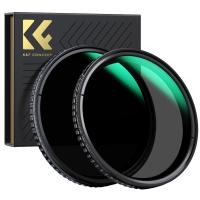
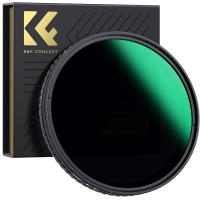
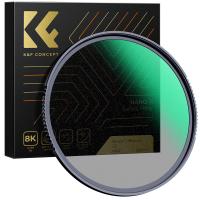
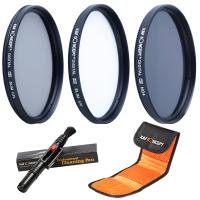
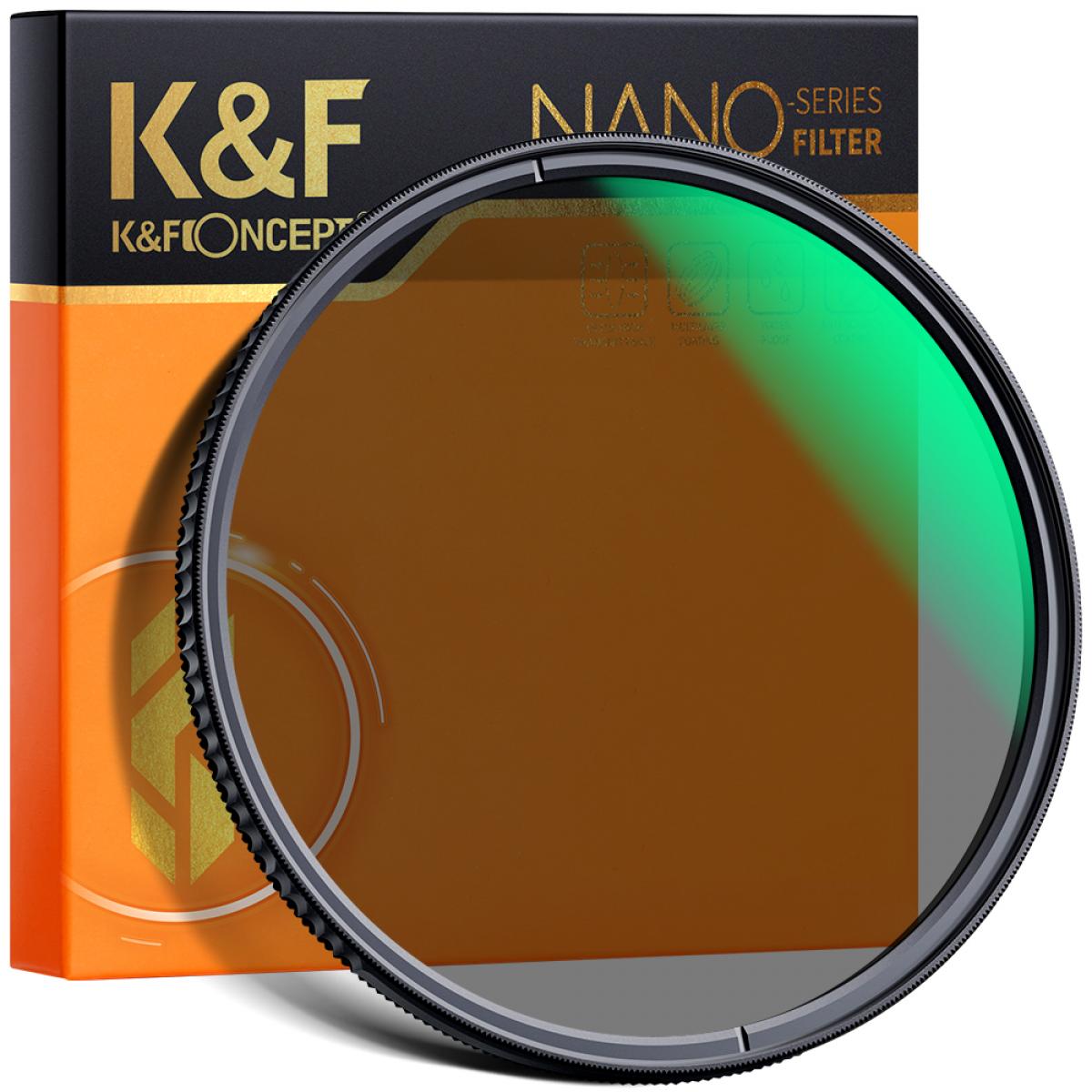
A UV filter is essentially a piece of glass—or more accurately, optical-grade material—that screws onto the front of your camera lens. Its primary job? To block ultraviolet (UV) light from entering your lens and affecting your image. You might be scratching your head thinking, “Wait, do modern cameras really have problems with UV light?” The answer lies partly in the evolution of camera technology and partly in the applications of the filter itself.
Back in the days of film photography, UV light could cause haze or distortions that would degrade image quality, particularly outdoors. UV filters worked like sunglasses for your lens, significantly reducing those issues. In the age of digital photography, modern sensors are far less susceptible to UV interference, so why do people still talk about UV filters as a must-have accessory?
The real reason is twofold: protection and added versatility.
The Shield for Your Lens
Imagine you’re hiking up a dusty trail, surrounded by potential hazards—falling debris, flying insects, and erratic weather changes. Or maybe you’re walking through an urban environment where smog, grime, or a splash of coffee could spell disaster for your precious lens. Here’s where a UV filter becomes a knight in shining glass armor.
Rather than exposing your expensive lens glass to scratches, smudges, or even outright cracking, the UV filter acts as a sacrificial layer. Should you accidentally drop your lens or bump into an unfortunate surface, it’s often the UV filter that gets damaged instead of your lens. And let’s be honest: it’s cheaper and far less painful to replace a UV filter than an entire lens.
Even in pristine environments, there’s another protective aspect: keeping dust and moisture off your lens surface. Cleaning your lens repeatedly runs the risk of wearing down coatings over time. With a UV filter, you clean the inexpensive filter instead of your actual lens, preserving its integrity.
The Subtle Impact on Image Quality
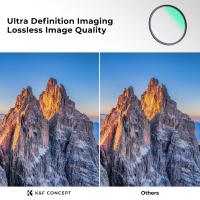
You might be wondering, "Does using a UV filter affect the quality of my photos?" The short answer is: it depends. Not all UV filters are created equal. Cheap, lower-quality ones can introduce flare, reduce sharpness, or even alter color balance. But here’s the kicker—good UV filters, crafted from high-quality optical glass with advanced coatings, have little to no impact on your image quality in most situations.
In fact, many photographers use UV filters routinely without noticing any difference until they encounter very specific lighting conditions, such as shooting directly into a strong light source. High-quality filters are designed to minimize reflections and other optical artifacts, making them nearly invisible under typical shooting conditions.
If you're shooting through hazy atmospheres (think mountaintops or coastal zones), a UV filter can still provide slight improvements, reducing the haze caused by UV light scattering. While digital sensors today are less prone to UV interference, the optical benefits of filtering out excess UV radiation remain in certain niche scenarios.
When NOT to Use a UV Filter
It’s worth noting that there are times when removing the UV filter might be the strategic move. For instance, shooting in challenging lighting environments—like when you’re aiming to capture a perfect sunset or engaging in astrophotography—might benefit from the absence of an additional piece of glass over your lens. In such cases, even the best UV filters can occasionally contribute to reflections and flare, subtly reducing your image’s clean contrast.
Additionally, if you're stacking multiple filters (e.g., a UV filter combined with a polarizer or neutral density filter), the added layers of glass can sometimes result in vignetting or degraded corners, particularly on wide-angle lenses.
How to Choose the Right One?
Like all gear in the photography world, the choice of UV filter comes with its own rabbit holes—materials, coatings, brands, and price points. Here are some key factors to consider:
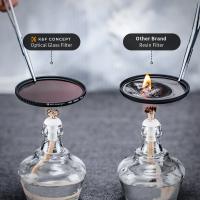
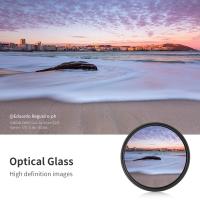
1. Material: Optical glass is ideal for UV filters. Some filters are constructed from resin or polycarbonate materials, but these tend to compromise optical clarity and durability.
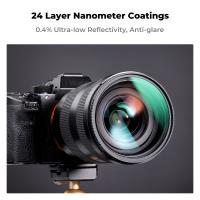
2. Coating: A good UV filter will include multi-coatings to reduce reflections (note: reflection equals flare and loss of contrast). Look for terms like "anti-reflective coatings," "multi-layer coatings," or "water-repellent coatings."
3. Brand Reputation: Brands like B+W, Hoya, and Tiffen are consistently praised for producing high-quality camera filters. It’s tempting to go for the cheapest option, but trust me on this: you don’t want to pair a $2 filter with a $2,000 lens.
4. Size Compatibility: Filters come in various diameters to match your specific lens size—usually marked on the front or barrel of your lens as a number followed by "Ø" (e.g., Ø67mm). Choose the correct size, or you’ll find yourself stuck in frustration, like trying to wear someone else’s shoes.
Last Word on UV Filters
Here’s the deal: UV filters are like insurance policies with bonus features. Whether you’re shooting in unforgiving natural environments or urban jungles, the protective benefits of a UV filter far outweigh the negligible image impact—provided you invest in a quality one. Photographers often find themselves divided into two camps: those who swear by UV filters and those who choose not to complicate matters. Wherever you land, understanding their purpose helps you make an educated decision.
So, the next time you’re out taking photos and your lens gets sprayed with water or splattered with mud, you can silently nod in gratitude to the UV filter that's taking one for the team.