How Do Infrared Security Cameras Work?
Infrared security cameras often carry an air of mystique, as if they’re crafted and refined by engineers who dabble in equal parts science fiction and spy thrillers. These cameras might as well be superheroes for the surveillance world, swooping in to save the day (and night) wherever darkness tries to throw an unwelcome blanket over your security measures. How do they pull off such feats of brilliance, you ask? Well, buckle up—because exploring their inner workings is quite the journey!
Let’s start from the top: infrared is a type of electromagnetic radiation that falls outside the visible light spectrum. While your eyes can only detect the beautiful cocktail of colors between violet and red, there’s a whole world of light beyond this range that’s invisible to humans. On one side of this spectrum lies ultraviolet light (great for making white sneakers glow at a nightclub) and, on the other, infrared radiation—the real hero of this technological tale. Infrared radiation is emitted as heat, meaning that anything above absolute zero temperature emits some level of IR signature.
With all these invisible belly dances of heat, we humans needed a way to capture them. Enter: infrared cameras equipped with sensors that detect these heat signatures and reproduce them in a way comprehensible to us—often as grayscale or false-color images. But how does this system work in the context of security cameras? Let me break it down for you.
The Mechanics Behind the Magic
1. Infrared LEDs:
Infrared security cameras use IR LEDs (Light Emitting Diodes) to illuminate dark areas. These LEDs serve as invisible flashlights for the camera, emitting infrared light that humans can’t perceive but that the camera’s sensor can register beautifully. If you've ever seen the faint red glow of IR LEDs on a security camera at night, you’ve stumbled upon their superhero cape. They’re working tirelessly to ensure the immediate vicinity is bathed in IR light so the camera can "see" in the dark.
2. Infrared Sensors:
Here's where things get nerdy. The core of an infrared security camera is its IR-sensitive image sensor—almost always either a CCD (Charge-Coupled Device) or CMOS (Complementary Metal-Oxide-Semiconductor) sensor. During the day, these sensors rely on visible light to capture images, but when the night wanders in like a sneaky intruder, they switch gears to take advantage of infrared light, emitted by the LEDs or reflected off objects in the environment.
3. IR Cut Filter:
Now, since these cameras operate in dual worlds—visible light during the day and infrared light at night—how do they make this switch seamlessly? This is where the IR cut filter comes in. This clever filter blocks infrared light during the day to ensure color fidelity and vividness in the images. As soon as the nighttime setting kicks in, the filter is removed, allowing the camera to bathe in the invisible glow of IR illumination and capture images in black and white for clarity.
4. Thermal Imaging (Bonus Round):
It would be a crime not to mention another type of infrared-based camera: thermal imaging cameras. Unlike your standard IR security cameras that depend on external IR LEDs to illuminate the area, thermal imaging cameras detect the heat emitted by objects directly, creating a heat map in response to temperature variations. These cameras really don’t care how dark the environment is, and they’re most commonly used in applications like military surveillance, industrial monitoring, and search-and-rescue missions.
Advantages of Infrared Security Cameras
Now, you may be thinking: “OK, tech wizardry aside, why should I invest in one of these seemingly magical cameras?” Stick with me here, because the advantages are so strong they might just knock your visible-light-based cameras out of the arena.
1. Night Vision Superpowers:
Conventional cameras are as blind as bats without sufficient light, but infrared security cameras? They see as clearly in the pitch-black hours as they do during the day, thanks to their infrared LEDs. Perfect for monitoring areas lacking ambient light—think secluded alleyways or warehouses after hours.
2. Stealth Mode:
IR light is invisible to the human eye, meaning your camera doesn’t need bright spotlights that scream, “Hey, we’re watching you!” Their covert operation keeps security subtle.
3. Weather-proof and All-Terrain Ready:
Whether it’s a foggy day, heavy rainfall, or the kind of darkness that swallows streetlights whole, infrared security cameras can still make out details that conventional cameras would lose entirely.
4. Reduced Costs:
Considering they don’t need additional light fixtures to brighten up an area overnight, IR cameras save energy and reduce the need for lighting infrastructure. It’s security plus eco-friendliness rolled into one elegant bundle.
Where Infrared Cameras Might Struggle
But even superheroes have their kryptonite. Here are a few limitations to consider:
Reflection Issues: IR light can reflect off glass surfaces, reducing image clarity when you try to point a camera through a window. Placement matters, as no one wants their camera thwarted by its own mirror image.
Close Range Saturation: If objects come too close to the camera, the IR light may overly illuminate them, leading to washed-out or blurry details.
Limited Color Availability: Once the IR cut filter gets out of the way during nighttime operation, images progressively lose their colors and shift to monochrome. Functional, but not quite as riveting.
Choosing Your Infrared Security Camera
Whether you’re gearing up to protect your home, office, or even your dystopian underground villain layer (hey, no judgment here), you’ll find options galore. To make an informed decision, consider these factors:
Range of IR LEDs: How far does the camera’s infrared light reach? Cameras often advertise their “night vision range,” so choose one suited to your specific needs.
Weather Resistance: If the camera is for outdoor use, ensure it’s designed to withstand the elements—look for IP ratings like IP65 or IP67.
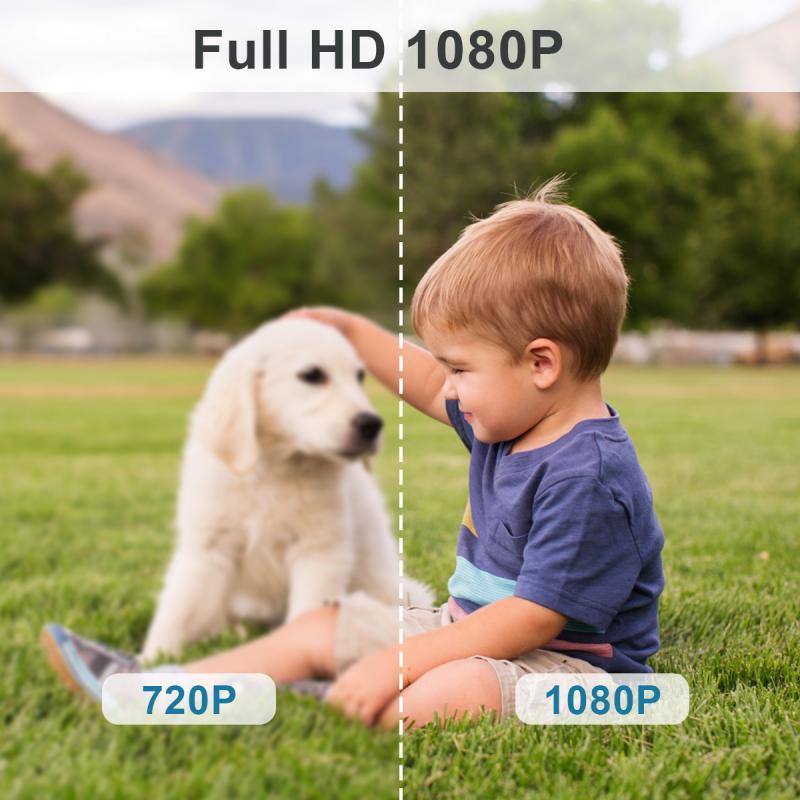
Resolution: Just because a camera works in the dark doesn’t mean you should compromise on clarity. Look for cameras with high-definition capabilities (1080p or above) for razor-sharp details.
In conclusion, infrared security cameras aren’t just pieces of tech—they’re silent observers working 24/7 to keep your premises secure in a world where darkness persists, but your peace of mind doesn’t need to waver. Whether you’re monitoring your front porch or planning an elaborate laser-security system for your secret lab, embrace the power of infrared, and rest easy knowing the cameras have it all under control—even when the sun clocks out for the night.