Outdoor Security Camera You Can See On Phone?
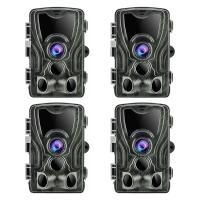
Outdoor security cameras have become the vigilant guardians of our digital age, ensuring that we’re always connected to our safety. No longer do you need to rely solely on the bulky, black-and-white monitors from decades past or spend hours fiddling with wires and buttons harder to decipher than abstract modern art. These days, outdoor security cameras equipped with mobile app integration have become a game-changer. They allow you to view live footage, receive alerts, and even communicate with visitors—all from the convenience of your smartphone. In this article, I'll guide you through essential considerations when choosing such cameras and explore how they can transform your approach to home security.
Compatibility is King: Don’t Get Stuck in the Wrong Era
Before diving into the features and brands, let’s tackle one of the most overlooked aspects: compatibility. When selecting an outdoor security camera that syncs with your phone, check whether it supports your smartphone’s operating system. Most reputable models cater to Android and iOS devices, but you'll occasionally find cameras tied exclusively to a particular ecosystem. Imagine the horror of purchasing a state-of-the-art camera only to discover that your Huawei Android or iPhone can’t install the required app. It’s like buying a treadmill for your house and realizing it doesn’t fit through the door—unnecessary frustration.
And don’t forget updates! A camera might promise app functionality but consistently fails to provide ongoing software updates. Look for reviews of app reliability and ensure that the brand doesn’t abandon its mobile app after getting your hard-earned money.
Resolution: See Clear Enough to Recognize Your Neighbor’s Cat
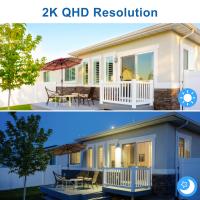
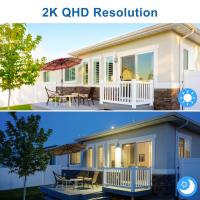
Resolution is critical, and 1080p—the equivalent of Full HD—is a great baseline. Budget cameras often flirt with 720p resolution, but this can leave you squinting to differentiate a shady trespasser from your neighbor’s free-roaming tabby. On the other hand, splurging for 2K or 4K resolution may sound extravagant, but it’s worth considering if you genuinely want clarity in discerning faces, license plates, or intricate details in your surveillance footage.
Bonus tip: Not all resolutions are created equal! Consider the bitrate at which the video is recorded. A high-resolution feed compressed to a tiny bitrate can still leave you watching grainy, pixelated footage. Opt for models that don't compromise quality.
Field of View: Avoid “Blind Spots” That Play Hide-and-Seek
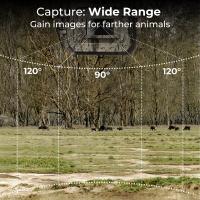
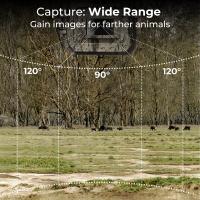
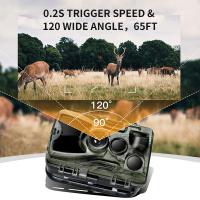
What good is a camera if it doesn’t capture the area you want to monitor? Field of view (FOV) is the degree of space your camera lens covers, often measured in degrees. Wide-angle cameras with fields of view ranging from 120° to 180° give better coverage and reduce blind spots, but beware of distortion around the edges if you’re not opting for fish-eye lenses.
If you're protecting a small entryway or garage, a narrower FOV (such as 90°) might work perfectly fine. For sprawling backyard coverage, though, opt for the wider-angle beast. Remember, the wider the lens, the fewer cameras you’ll need overall—which is a win for simplicity and your wallet.
Night Vision: The Real MVP of Outdoor Security
Night vision is one of the standout features of modern outdoor security cameras, enabling recording and surveillance even when visibility is reduced to "can’t-see-my-own-hand" levels. Look for cameras equipped with infrared (IR) LEDs or advanced technologies such as color night vision that capture vivid details in low-light conditions. And if there’s one thing security cameras should do well, it’s catching footage when the world goes dark. Many break-ins occur under the cloak of night, so don’t skimp on this feature unless you enjoy being a detective in grainy noir-mode footage.
Two-Way Audio: Because Sometimes You Want To Say ‘Who’s There?’
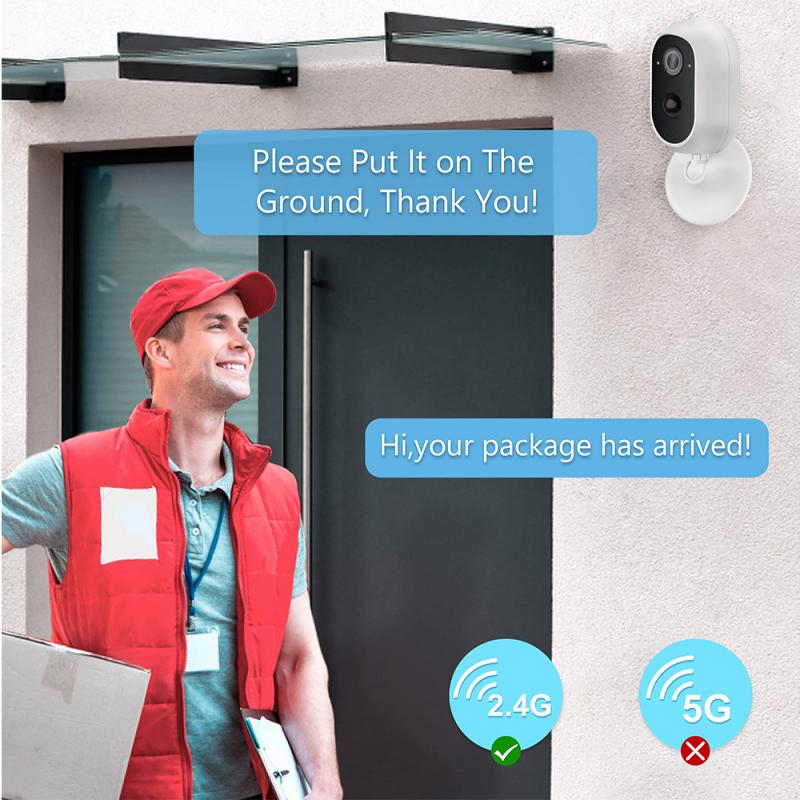
Security cameras with built-in microphones and speakers grant you the ability to communicate live with visitors, delivery personnel, or potential intruders—or just scold your dog mid-panic. Two-way audio works wonders when tied into your phone app, essentially transforming the camera into an extension of your voice. Considering the psychological deterrent effect, hearing you yell back "Hey, leave that package alone or taste wireless justice!" might be enough to divert shady behavior.
Just make sure there's minimal audio lag between what you say on your phone and what plays through the camera. No one wants their “Leave now!” to hit airwaves five seconds later, triggering confusion and ruining your authoritative moment.
Weather Resistance: Gear Up for Mother Nature’s Fury
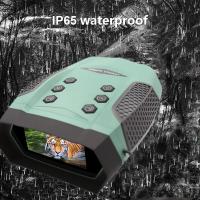
It goes without saying that outdoor cameras must handle rain, snow, scorching heat, and maybe even a rogue garden sprinkler operating beyond its remit. Look for “IP Ratings”—IP65 to IP67-rated cameras often signify resilience against dust and water. The tougher ones can shrug off a hurricane (figuratively speaking). You wouldn't buy a snow blower that collapses at the first flurry, so treat your security camera with equal scrutiny.
Smart Features Abound: Alerts, AI, and Facial Recognition
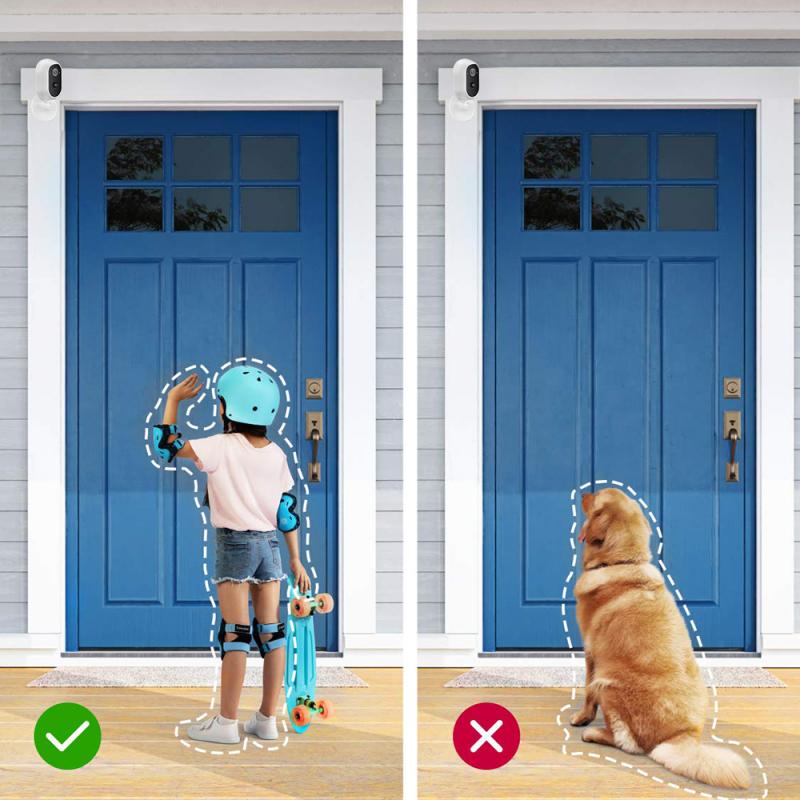
Modern cameras often come with intelligent software features—AI-powered anomaly detection, facial recognition, motion alerts, and even the uncanny ability to differentiate humans from pets. These features ensure that your phone doesn’t buzz each time a butterfly flutters too closely (unless butterflies pose a grave threat to your security plan). A camera smart enough to distinguish meaningful movement or suspicious activity from background noise is worth the investment, particularly if you have zero patience for false alarms.
Storage Wars: To Cloud or Not To Cloud?
Local storage is gold if you’re prioritizing privacy, with microSD cards being the standard choice for direct recordings. However, they run the risk of theft—if someone grabs your camera, they also grab the footage. Enter cloud storage. This option pushes recordings to an online database, typically for a subscription fee. While the monthly cost might seem annoying, rest assured that it’s harder for thieves to wipe a digital trail stored on the internet.
Choose wisely here. Cameras with free (or reasonably priced) cloud storage plans are ideal for long-term use, but if you prefer no recurring fees, focus on ones with large-capacity local storage methods.
Control Center: Your Phone Is Your HQ
Finally, the essence of this topic: how easily does the camera integrate with your phone? A good mobile app should prioritize ease of use, quick navigation, and clear setup instructions. Features such as live view, video playback, zooming, and custom alert settings should feel intuitive. Some apps even allow you to control other smart devices—doorbells, locks, or lights—through unified dashboards.
Look for systems compatible with existing home setups like Google Nest or Amazon Alexa, providing seamless upgrades to an all-encompassing smart home fortress.
The Final Word on Outdoor Security Cameras
Outdoor security cameras that sync with your phone marry convenience with safety, giving you access to real-time monitoring within minutes of setup. But the right model is a balance of multiple elements: resolution, field of view, weather resistance, smart features, compatibility, storage options, and, of course, trustworthy app integration.
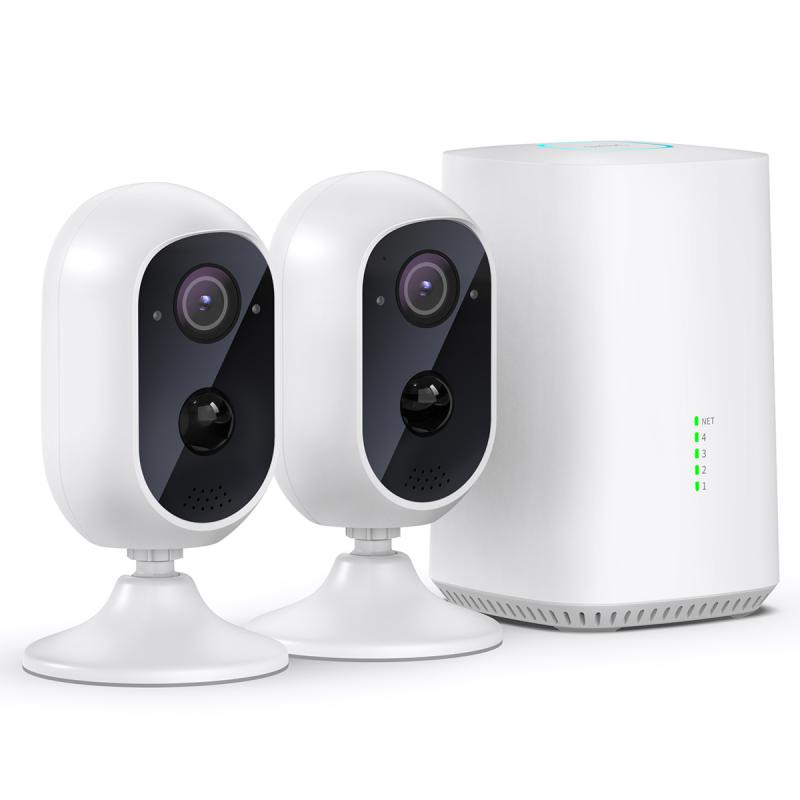
Think of it this way: implementing a security camera doesn’t merely protect your home—it builds peace of mind. While no camera makes your home impenetrable, it’s a useful deterrent to strangers and a shield of accountability for deliveries, visitors, and wildlife daring to use your flowerbeds as their personal playground.
So, choose wisely, and may your camera make you the vigilant gatekeeper of your domain.