What Does Pir Stand For In Security Cameras?
The acronym PIR stands for "Passive Infrared." In the world of security cameras and motion detection, PIR sensors play an integral role in detecting motion based on infrared radiation—essentially heat signatures—from living objects, such as people or animals. But understanding PIR isn't just knowing what it stands for; it’s about grasping the science, ingenuity, and effectiveness behind why it’s used in modern surveillance systems.
Let’s embark on a deep dive into the fascinating mechanics of PIR sensors, why security professionals swear by their usefulness, and how they bring a sophisticated simplicity to our everyday safety setups. Stick with me, because by the end of this, you’ll not just be able to explain PIR to your friends; you’ll probably be able to argue with conviction why it's one of the crown jewels of the home security world.
The Science Behind PIR: Infrared vs. Visible Light
Infrared radiation is invisible to the human eye but omnipresent in daily life. Anything that produces heat—whether it’s your pet dog, a neighbor cutting across your yard, or even your fridge—releases infrared radiation. PIR sensors are particularly tuned to detect this invisible heat (infrared energy) and cleverly differentiate it from other sources of IR in the environment.
Here’s the brilliant part: PIR is "passive." Unlike active infrared systems that send out their own beams of light or radiation and measure how it’s reflected back, passive infrared sensors simply sit still and quietly observe their environment. They don’t emit anything themselves; they merely listen. This makes them energy-efficient, simpler to manufacture, and less costly to maintain—all great news for security system designers and consumers alike.
What Happens When a PIR Sensor Detects Movement?
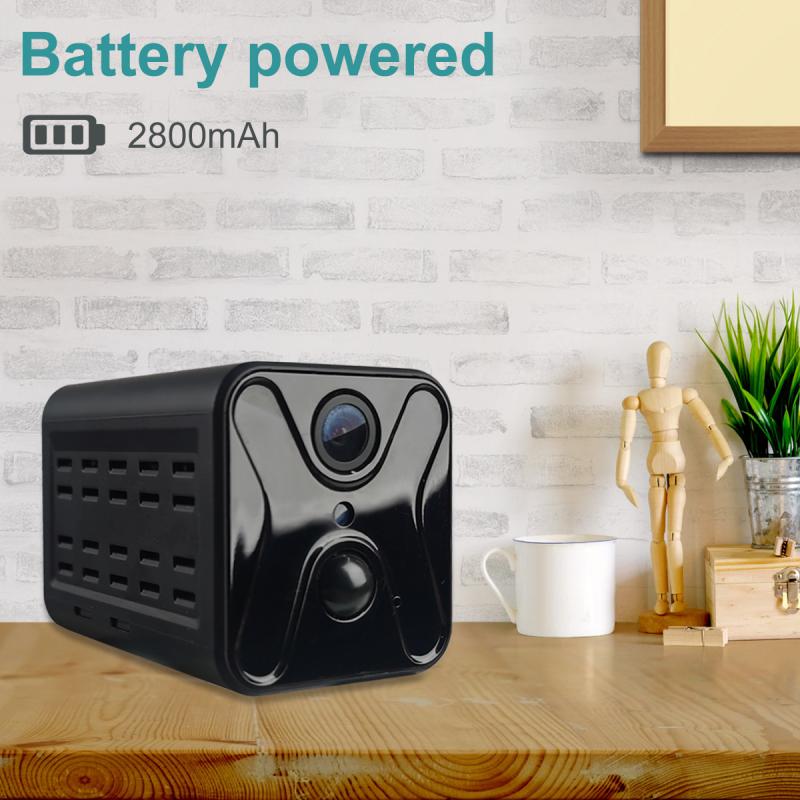
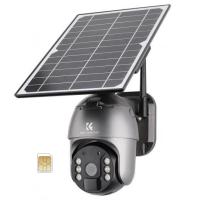
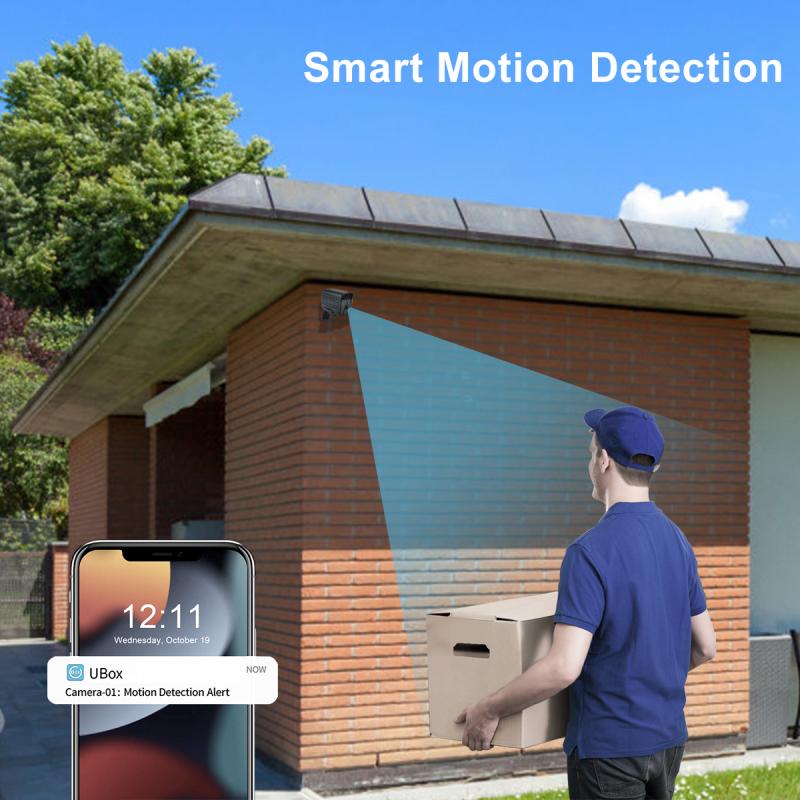
The mechanism starts with the sensor, usually located inside the security camera or dedicated motion detector. The sensor is built with pyroelectric materials that respond to changes in infrared energy. When an object (say, a person wandering into your driveway) enters the detection zone, their body heat alters the infrared levels observable by the PIR module.
Here’s where it gets even cooler: PIR sensors have a layout consisting of several detection zones, segmented by optical lenses. This allows the PIR sensor not only to register that "something has moved" but also to distinguish movement patterns. If the infrared change matches specific criteria—i.e., moving objects of a size and temperature consistent with a human or animal—the camera knows this isn’t a tree swaying in the wind or a car's headlights reflecting across your driveway. Cue the security alarm!
PIR Vs. Traditional Motion Sensors: What's the Big Deal?

Motion detection in security systems isn’t new, so why does PIR keep hogging the limelight? Well, there’s a reason why it’s so widely adopted—it’s smarter about its job. Here’s a quick comparison:
PIR Sensors
- Detect infrared radiation (heat signatures)
- Immune to visual disturbances like shadows, flickering lights, or wind-blown objects
- Energy-efficient, since they’re passive and use limited power
Traditional Sensors (Active Motion Sensors)
- May rely on ultrasonic waves or an active infrared beam
- Susceptible to false positives from non-human movements (e.g., flying bugs or waving leaves)
- Typically use more power
False positives are the bane of security systems. Nobody enjoys getting a phone notification at 3 AM only to find out it was triggered by a moth enjoying its nocturnal escapades! PIR reduces the likelihood of such disruptions, giving you alerts you can trust.
PIR Applications: "That's Way More Than I Thought!"
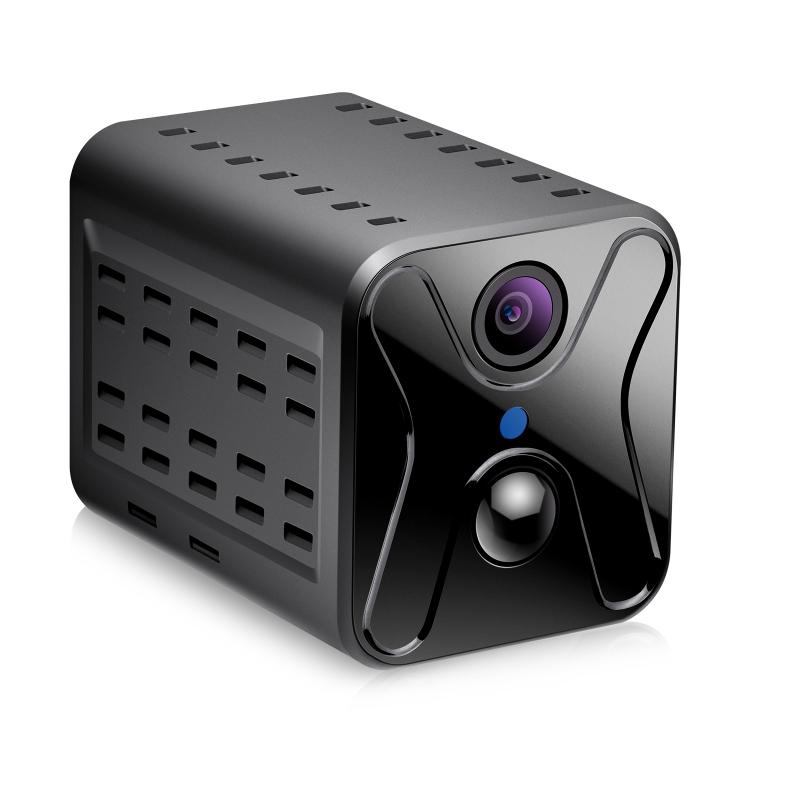
While their use in security cameras gets all the spotlight, PIR sensors have many fascinating applications:
1. Automatic Lighting: Ever walked into a room and had the lights magically turn on? That’s PIR in action. Lighting fixtures equipped with PIR sensors detect human activity and provide illumination when needed—and save energy when the room is empty.
2. Smart Home Devices: PIR sensors are at work in thermostats, fan systems, and automated blinds, responding to your presence like an attentive butler.
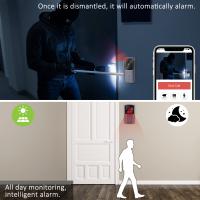
3. Alarms: Beyond security cameras, they are embedded in burglary systems to trigger an alarm not when a door or window opens, but when an intruder’s presence is *felt* through infrared detection.
4. Industrial Monitoring: PIR sensors play a role in detecting overheating machinery or monitoring critical systems.
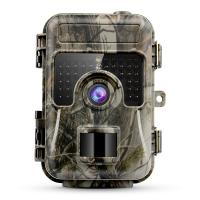
5. Animal Tracking: On a surprisingly wholesome note, PIR sensors are also used in wildlife observation devices, helping conservationists track animal movement discreetly without disturbing their habitat.
Tips for Optimizing PIR Performance in Cameras
Integrating PIR sensors into security setups sounds straightforward enough, but getting the best performance means knowing their quirks and limitations:
1. Choose Sensor Placement Wisely
Position your PIR-equipped security cameras at entryways or high-traffic zones but avoid areas prone to extreme temperature shifts. Avoid direct exposure to sunlight or heating vents—these can confuse the sensor since it’s monitoring infrared heat changes.
2. Understand Detection Range
PIR sensors aren’t omnipresent detectors—they have a finite detection range and field of view. Most affordable systems offer 10–30 feet of coverage within an arc of 120°. For larger spaces, connect multiple sensors or invest in high-quality systems with extended range.
3. Avoid Obstructions
PIR sensors can’t "see" through walls or thick glass—they require a clear line of sight. Strategically place your camera to ensure no shrubs, fences, or furniture disrupt detection.
4. Regular Cleaning
Infrared sensors rely on optics, often housed under protective covers or lenses. Dust buildup can dampen sensitivity. A periodic wipe-down can keep those sensors sharp and responsive.
5. Pair with Other Systems
While PIR sensors are fantastic at detecting living motion, combining them with visual analytics (e.g., cameras with AI motion analysis) can iron out any potential weaknesses, creating a two-layer defense strategy.
Closing Thoughts
PIR has more going for it than just being an acronym you’ve Googled during a security upgrade brainstorm. It’s the backbone of reliable motion detection technology—efficient, accurate, and intelligently designed. It’s no wonder that security systems worldwide champion PIR for both consumer-grade home setups and industrial-grade surveillance systems.
Next time you’re configuring that smart security camera and someone asks you how motion detection works, you’ll know not only the answer but also the scientific wizardry behind it. Plus, you’ll be able to explain exactly *why* PIR sensors deserve their leading role in keeping homes secure. Cool, right? Now, go spread the infrared gospel!