What Is A Dash Camera For Car?
Step aside rearview mirrors—once the unsung hero of vehicular navigation—because dash cameras are stealing the automotive spotlight. These compact, high-tech gadgets may look unassuming as they perch quietly on your windshield, but beneath their lens lies a treasure trove of functionality, practicality, and yes... intrigue.
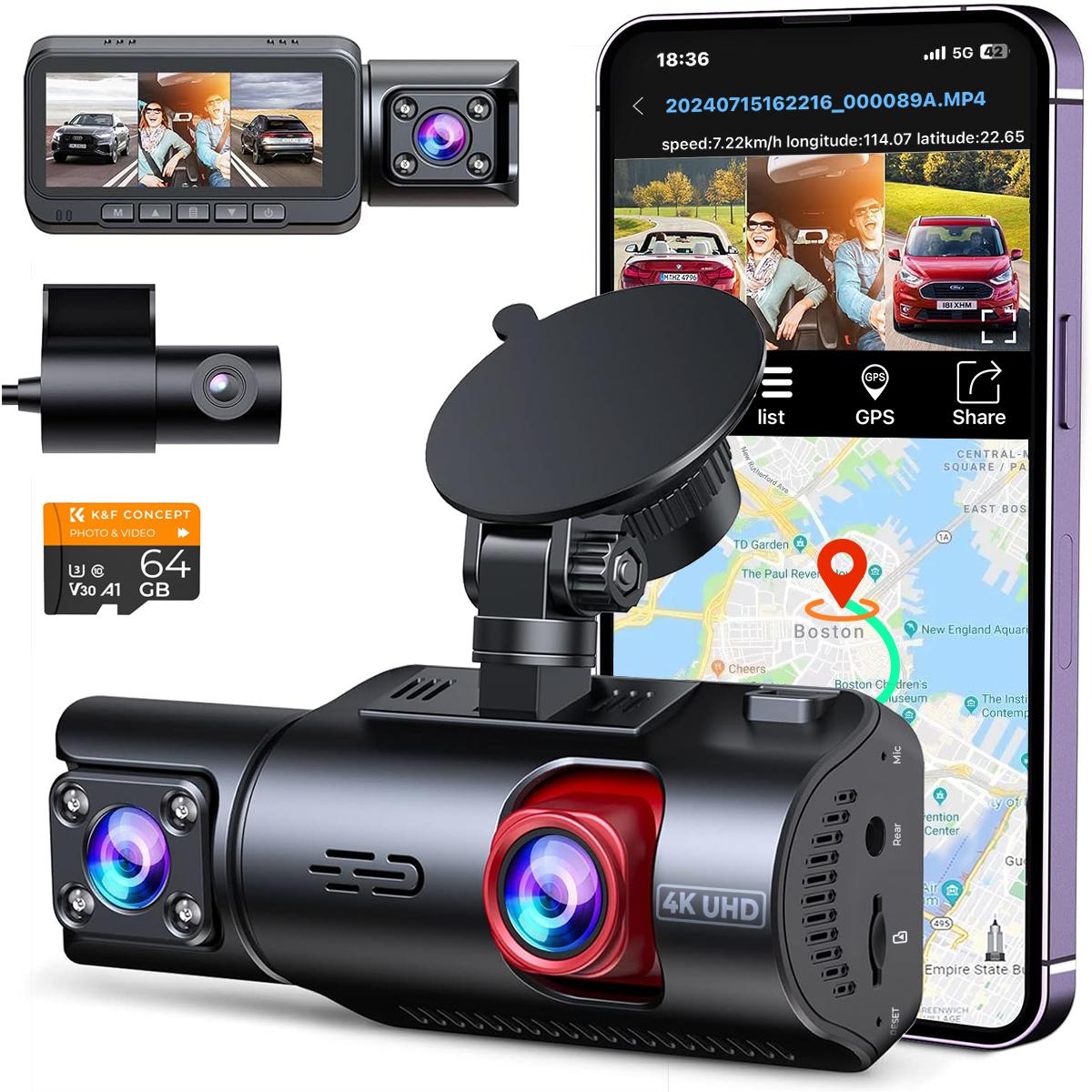
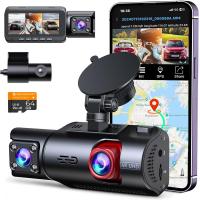
Let’s talk about what a dash camera really is and why it’s rapidly becoming an indispensable tool for drivers. A dash camera (commonly referred to as a dash cam) is essentially a small video recording device designed to capture footage through your car’s windshield—some models go the extra mile and record the rear view as well. While its primary purpose seems obvious (recording video and audio during your trips), the implications of having one onboard go far beyond merely logging footage of your Sunday drive.
The Anatomy of the Dash Cam
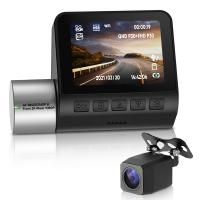
Most dash cameras are small, compact devices with a wide-angle lens that typically records at least 1080p Full HD resolution—though 4K versions are becoming increasingly popular (because who doesn't want indecently high-definition footage of someone cutting them off in traffic?). These cameras often come with additional sensors, such as GPS trackers for location data, G-sensors to detect collisions, and even infrared LEDs for night vision.
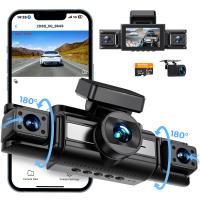
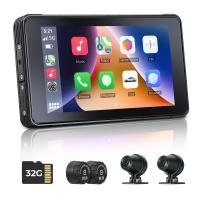
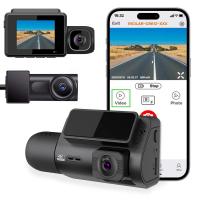
Some feature-rich models come equipped with touchscreen controls, built-in Wi-Fi for syncing to mobile apps, and cloud storage options to back up footage. For the more security-conscious, there are dash cams with continuous recording loops, so you’re less likely to run out of space. And let’s not overlook the fact that many dash cameras are outright discreet, ensuring minimal obstruction to your view while remaining a subtle and vigilant co-pilot.
The Why of Dash Cameras
Sure, dash cams are cool, but why should you care? Oh, I’m glad you asked.
1. Evidence Collection: This is arguably the top reason drivers invest in dash cams. Whether it’s a minor fender bender or a head-scratchingly odd event on the road (we’ve all seen those bizarre clips online), a dash cam can provide verifiable evidence when disputes arise. The ability to capture exactly "who hit whom" in crystal-clear footage can mean the difference between an expensive insurance claim and rock-solid vindication.
2. Fraud Prevention: Road scams are a real concern. Dishonest pedestrians, cyclists, or even other motorists may deliberately “stage” accidents to extort money from unsuspecting drivers. With a dash cam in play, you reduce your vulnerability to such schemes, and you can confidently stand your ground in legal or insurance battles.
3. Driver Accountability: Want to keep tabs on how well your teenage child handles the open road? Need insights into your employees' driving behaviors with your company’s fleet? Dash cams don’t just record the outside world—they can capture what happens inside the vehicle too. This makes them an invaluable tool for monitoring, feedback, and, let’s be honest, steering some peace of mind.
4. Parking Surveillance: Some advanced models offer parking mode, where they continue recording or analyzing sensor data even when the car is off. Any bump, scratch, or "oops, my car door lightly kissed yours" moment can be documented without you ever being present.
5. Entertainment Value: For anyone who loves road trips, scenic drives, or documenting travel adventures, dash cams open up a whole new realm of possibilities. Instead of fumbling for your phone mid-ride, you can film the entire journey uninterrupted. You might even stumble upon a viral moment—who knows?
Shopping for the Right Dash Cam
When it comes to choosing a dash cam, the options can feel endless. But don’t panic; it’s easier if you break it down into priorities. Here’s a shortlist of key factors to consider:
1. Resolution and Frame Rate: At a minimum, aim for 1080p resolution with 30 fps. But, if you want to capture the nuance of someone's questionable lane merge, 4K with 60 fps will undoubtedly catch them in all their glory (unflattering details included).
2. Field of View (FOV): A wide-angle lens is your friend. Most dash cams range between 120–170 degrees, but be cautious—the broader the view, the more potential image distortion at the edges.
3. Night Vision: If a majority of your driving takes place under the cloak of darkness, confirm that your dash cam performs well in low-light conditions. Models equipped with infrared or Sony STARVIS sensors have stellar night vision capabilities.
4. Storage and Loop Recording: Dash cams save footage to local microSD cards, which means storage can fill up fast. Look for models that overwrite the oldest footage when the card is full—a feature called loop recording—so you aren’t constantly managing space.
5. GPS and Wi-Fi: GPS-enabled dash cams record your exact location and speed, while Wi-fi opens the door for convenient syncing with your smartphone. These features might sound gimmicky, but they’re incredibly practical.
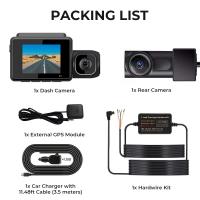
6. Dual Cameras: Some dash cams come with rear-facing cameras, so you can record what’s happening behind you as well. This is especially useful for capturing rear-end collisions or "creative parking."
Installation Tips
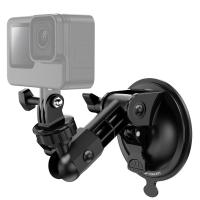
Installing a dash cam isn’t rocket science, but there’s still an art to it. Many come with suction mounts, adhesive stickers, or clamps. The goal is to position it high on your windshield, ideally behind your rearview mirror for minimal obstruction. It should have a clear view with no interference from dashboard ornaments or the tinted sunstrip.
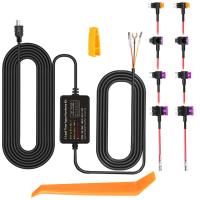
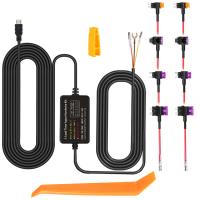
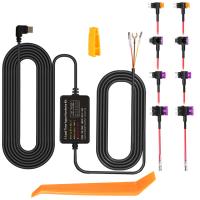
Hardwiring the power source directly into your car’s fuse box ensures long-term reliability but requires a little expertise and possibly a professional. Most models, however, rely on plugging into the 12V cigarette lighter port—a far simpler and quicker option.
Considerations and Caveats
Okay, let’s cool our jets here—dash cameras are pretty awesome, but they’re not without caveats. In some countries and regions, laws regarding recording video using dash cams can get surprisingly tricky. For example, capturing footage that includes other people without their consent could leave you with a lawsuit. Always verify local regulations before hitting the record button.
Additionally, while storage space and device reliability are steadily improving, dash cams still aren’t totally fire-and-forget technology. Regularly check your footage and storage device for wear and tear; there’s nothing worse than discovering corrupted files after going through the trouble of recording something crucial.
Finally, these devices aren’t immune to theft—since they’re mounted visibly on your windshield, they can tempt prying eyes. If security is a concern, consider models designed for quick detachment.
Where Dash Cams Are Headed
It’s hard not to get excited about the future of dash cams—after all, technological advancements rarely stagnate. AI-powered dash cams are already entering the market, offering features like automatic accident detection, license plate recognition, and even driver behavior scoring. As self-driving cars inch closer to widespread adoption, I wouldn’t be surprised if dash cams morph into full-fledged personal driving companions offering safety analytics and traffic optimization.
So, whether you’re gearing up for legal peace of mind, hoping to log your cross-country treks, or just seeking accountability behind the wheel, the humble dash cam has something to offer. It’s no longer just a gadget—it’s rapidly becoming the modern driver’s most loyal sidekick. Consider it your vigilant witness, your accidental documentarian, and at times, your unsung insurance hero. Just don’t forget to angle it properly—I hear karma favors good camera setups.