What Is A Gimbal Camera?
In the world of photography and filmmaking, gimbal cameras are modern-day marvels that have revolutionized creative storytelling. These devices tackle a problem that has plagued photographers and videographers for years—stability. Whether you're recording panoramic landscapes while hiking or capturing cinematic chase scenes in high-action environments, gimbal cameras enable buttery smooth footage that keeps distractions like shaky motion to a minimum. Let's break this down from the basics to the advanced, peeling away layers of technology and practicality.
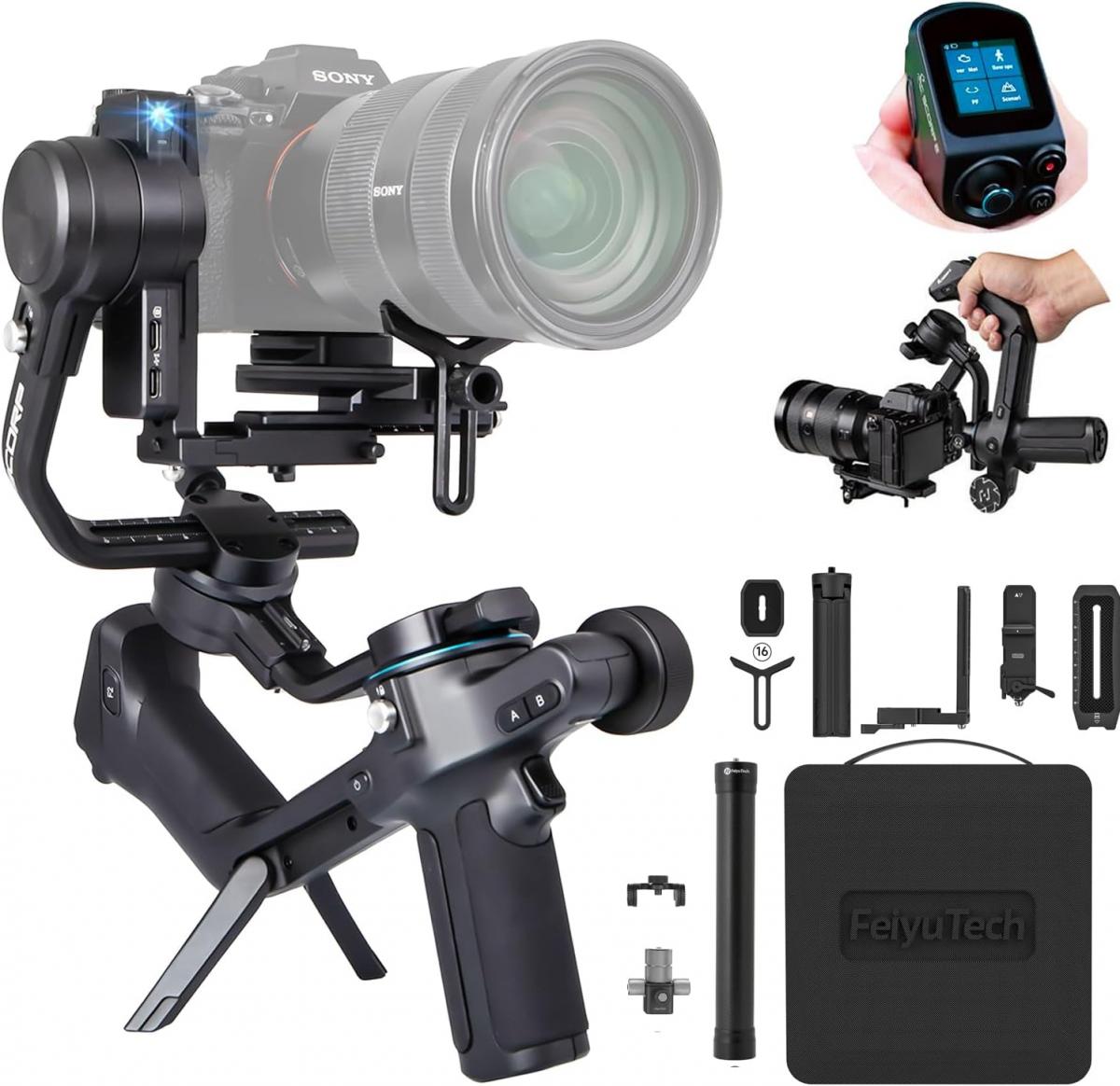
At its core, a gimbal is essentially a pivoted support system that allows an object, in this case, a camera, to maintain orientation even when the support is in motion. Picture this: you’ve taken up skateboarding, and your goal is to document your rides for TikTok or YouTube. Holding your phone or DSLR in your hand while zooming down the street under the spell of gravity and velocity would result in footage that looks like it was shot during an earthquake. This is where gimbals shine: by eliminating unintended jerks and shakes, they deliver consistently smooth visuals and allow your audience to focus on the subject of your shots instead of being distracted by motion artifacts.
A gimbal camera integrates this stabilizing technology directly into its functionality. Unlike a traditional camera that may require a detachable gimbal accessory, these cameras are built specifically to include stabilization as a prime feature of their architecture. The results? Seamless movements without requiring advanced editing tricks or post-production stabilization software.
How Do Gimbals Work?
The magic behind a gimbal camera lies primarily in its motors and sensors. Most modern gimbal cameras rely on brushless motors combined with gyroscopic sensors. As the user moves the gimbal camera—whether walking, running, jumping, or clumsily stumbling—the sensors detect changes in orientation, acceleration, and rotation. This real-time data is then processed by microcontrollers, which adjust the motors to compensate for the camera's movements. Essentially, the gimbal's motors will counteract your unintentional hand tremors or jerky motions faster than your brain processes the thought: "Am I walking too unevenly?"
Furthermore, many gimbals offer three-axis stabilization: pitch (tilt forward or backward), roll (rotation side to side like the angle of a boat), and yaw (side-to-side swivel like turning your head left or right). Combined, these axes cover the majority of scenarios that can destabilize footage.
Types of Gimbal Cameras
One size does not fit all—it depends on your creative goals. Gimbal systems differ significantly depending on the needs of users and the types of cameras they integrate. Here's a quick breakdown:
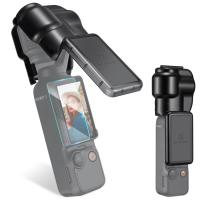
1. Compact Gimbal Cameras - These include models like DJI’s Pocket series. They are lightweight, easy to carry, and excellent for vloggers or casual mobile creators. Integrated stabilization means you don’t need additional accessories, making them perfect for traveling light.
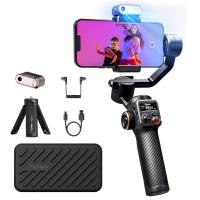
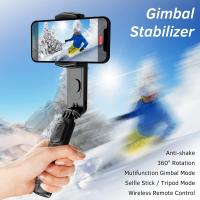
2. Smartphone Gimbals with Cameras - These systems elevate the power of your smartphone’s camera. The gimbal accessory focuses on stabilization while leveraging your phone's advanced computational photography features.
3. Drone-mounted Gimbals - For aerial shots, drones typically have built-in gimbal cameras to stabilize footage taken while the drone fights against wind and other environmental factors.
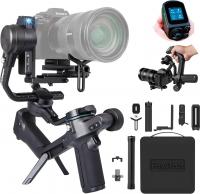
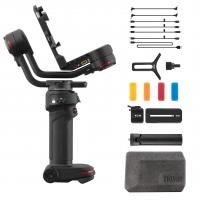
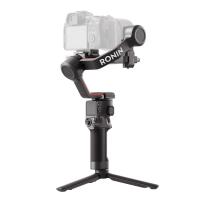
4. Professional Cine Gimbals - These are heavy-duty rigs used for cinema cameras, often mounted by professional filmmakers capturing Hollywood-grade content. They can support larger setups, including DSLRs or mirrorless cameras combined with lenses and additional gear.
Who Needs a Gimbal Camera?
Before diving into the purchase decision, ask yourself why you need stabilization. Gimbal cameras are ideal for anyone prioritizing dynamic motion or subject movement in their videos. Whether you’re a travel vlogger crossing cobblestone European streets, a budding content creator testing your parkour skills, or even a documentary filmmaker documenting wildlife in unpredictable terrains, gimbal cameras are a game-changer.
If you’re primarily shooting stationary content—such as cooking tutorials or fashion hauls—an ordinary tripod may suffice and save you money. However, if your shots require motion, then skipping stabilization might result in regret.
How Do I Use a Gimbal Camera Effectively?
It's not quite as simple as holding the gimbal and pressing "record." While gimbals automate stabilization, some finesse is required on your end. Consider the following tips:
1. Keep Balanced Posture: Your movements still influence the gimbal's operation. A stable stance and controlled movements create better footage.
2. Plan Your Shots: While gimbals eliminate unintentional shakes, creative pre-planning for angles, transitions, and subject focus ensures professional-looking results.
3. Practice Pacing: Sudden movements—even if corrected by the gimbal—can alter the narrative feel of your scene. Consistency in pacing ensures fluidity.
4. Take Advantage of Modes: Many gimbals allow for advanced features like "tracking mode," where the camera follows a selected subject, or "panoramic mode" for sweeping landscape videos.
Limitations of Gimbal Cameras
No technology is flawless, and gimbal cameras are no exception. First, they are not magic wands—while they eliminate unwanted motion, excessive random movements or jerky fast-paced acceleration can overwhelm the motors. Additionally, gimbals often sacrifice compactness to integrate stabilization features, meaning they're bulkier than casual point-and-shoot cameras. Battery life can also be an issue; since stabilization motors draw power actively, heavier usage can cut down filming times.
Moreover, the cost may be a deal-breaker for some. Gimbal cameras are undeniably cutting-edge, but they come at a premium. Depending on your needs, you might find it hard to justify investing in a gimbal camera instead of opting for standalone stabilization software or hardware accessories.
Future of Gimbal Cameras
With the rise and dominance of AI in the imaging industry, there are exciting possibilities for gimbal cameras. Imagine gimbals with predictive stabilization—using scene recognition to anticipate movements such as following a subject or executing perfectly-timed pans in real-time. There’s considerable work being done to miniaturize these systems so stabilization becomes truly invisible to the user without compromising portability.
Closing Thoughts
If smooth, stable footage is the missing puzzle piece in your creative life, gimbal cameras might be your unsung hero. They’re increasingly user-friendly, packed with novel technology, and become an indispensable tool in motion-dependent visual storytelling. Whether you're mounting one on a drone for breathtaking overhead shots or carting it down city streets for dynamic close-ups and cinematic pans, this technology consistently turns everyday chaos into deliberate artistry.
Oh, and let’s not forget—a gimbal camera might just save your viewers from seasickness. You wouldn’t want your skateboard video to induce nausea instead of awe, right?