What Is An Outdoor Ip Camera?
Outdoor IP cameras are the sentinels of the digital world, standing guard over your home or business with a sharp eye for trespassers and uninvited guests. These pieces of modern security technology combine durability, connectivity, and a dash of sophistication to secure the perimeters of your property. But what exactly makes these cameras so effective? How do they work? And what are the features you should look out for? Let’s dive deep into the nuts and bolts of outdoor IP cameras and unravel why they might just be the ultimate addition to your security arsenal.
Breaking It Down: IP Cameras 101
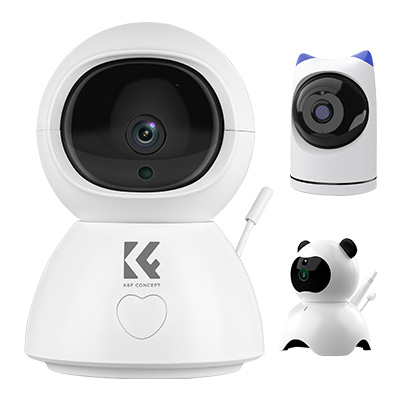
To start things off, IP stands for "Internet Protocol." Instead of processing analog signals (as older CCTV cameras do), IP cameras function digitally, transmitting video feeds through your Internet connection. Essentially, these cameras are miniature computers with lenses. The "outdoor" part is no mere accessory—these cameras are designed to brave the elements, with rugged features such as waterproofing, weatherproofing, and sometimes even anti-vandalism builds.
Imagine if Batman were a security guard. An outdoor IP camera would be his sidekick—relentlessly vigilant, hyper-connected, and built tough enough to endure the chaos of Gotham weather.
Why Go for an Outdoor IP Camera?
You might be thinking, “I already have locks on my door. Do I really need an outdoor camera?” The answer is rooted in the dynamic duo of prevention and response.
1. Proactive Deterrence: Visible cameras can dissuade potential burglars, package thieves, or trespassers.
2. Rapid Response: With real-time alerts and remote monitoring, you’re always one step ahead, whether you’re sipping coffee at work or lounging on a Hawaiian beach.
3. Evidence Provider: In the unfortunate event something does occur, the recorded footage can serve as key evidence to identify culprits.
The Specs That Make the Magic Happen
Not all outdoor IP cameras are created equal. Some are rookie benchwarmers, while others are star players. Here's what separates the best from the rest:
1. Resolution: Go Big or Go Grainy
Outdoor cameras typically feature resolutions starting at 720p and climbing all the way up to 4K UHD. Think of it as the difference between spotting Bigfoot in an old 1990s photo or pinpointing his shoelaces in 4K detail. Don't compromise here—a higher resolution ensures that faces, license plates, and other critical details are captured with crystal clarity.
2. Night Vision: The Owl of Surveillance
What good is a security camera if it’s as blind as a bat after sundown? Infrared (IR) technology equips outdoor IP cameras with night vision, letting them "see" even in complete darkness. Advanced cameras also offer color night vision, amplifying available light to capture vivid images even in low-light conditions.
3. Field of View: How Wide Can You See?
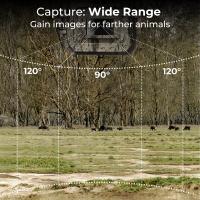
A camera with a narrow field of view is like wearing horse blinders—you’ll miss out on everything outside its narrow focus. Look for cameras with a field of view exceeding 100°. Some models even have 360° fisheye lenses if all-encompassing surveillance is your priority.
4. Connectivity: Wired vs. Wireless
IP cameras can connect to your network either via Ethernet cable or Wi-Fi. Wired connections are generally more reliable (think uninterrupted video streaming), while Wi-Fi models win in the flexibility department. Which to choose depends on your willingness to deal with cable management versus potential network issues.
5. Weather and Durability: The Juggernauts of Security
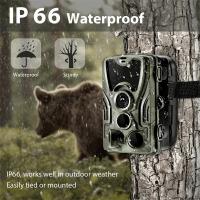
Outdoor cameras aren’t exactly sipping tea indoors—they’re exposed to rain, wind, snow, heat, and sometimes even curious birds. Look for IP ratings like IP65, IP66, or IP67, which indicate the level of protection against dust and water. If you live in extreme climates, pay attention to the camera’s temperature operating range as well.
The Intelligentsia of Outdoor Cameras: Smart Features
As technology evolves, outdoor IP cameras are becoming as brainy as they are brawny. Here are some features that will make you feel like you have a futurist as your security guard:
Motion Detection
Gone are the days of constant manual monitoring. Motion sensors trigger recordings when movement is detected, reducing the amount of video storage needed and alerting you to potential risks in real time. Some cameras even differentiate between animals, cars, and humans, minimizing false alarms due to a raccoon scavenging through your trash.
Two-Way Audio
This isn't your typical "eye in the sky." With two-way audio, you can talk directly through your camera. Need to tell the delivery person to leave the package by the gate? Or perhaps remind a stranger that your property isn’t a shortcut? Done and done.
Cloud and Local Storage
Cameras that support both cloud and local storage let you have your cake and eat it, too. While local storage (via SD card or an attached hard drive) keeps videos physically close, cloud storage provides a safe offsite backup that you can access from anywhere.
Integration with Smart Homes
Modern security setups often blend outdoor cameras with broader smart home ecosystems. Whether you’re controlling the camera via Alexa or syncing it to your Google Nest thermostat, seamless integration reduces the tech-juggling act.
Privacy Settings
Concerned about Big Brother—or your own paranoia—watching? Privacy modes let you pause cameras or limit video recording to specific time windows.
Common Concerns: Clearing the Fog
Won't Outdoor Cameras Get Hacked?
Yes, in the same way that any connected device is at risk. Protect yourself by creating strong passwords, enabling two-factor authentication, and ensuring that your camera’s firmware and software are up to date. Many manufacturers also include encryption options to keep prying eyes at bay.
What About Maintenance?
Outdoor IP cameras require occasional TLC—clean the lens to avoid blurry footage, check for software updates, and inspect the casing for any weather-related wear and tear. It’s like maintaining a car; a little care goes a long way in preventing bigger headaches.
Are They Expensive?
Pricing runs the gamut from budget-friendly models ($50–$100) to professional-grade units that could easily set you back $500 or more. Pricing correlates closely with build quality, advanced features, and brand reliability, so make sure you weigh what you need against what you’d like to have.
Setting It Up: From Box to Boundary Defense
Let’s say you’ve decided to go all-in on an outdoor IP camera. Where and how you set it up will make or break its effectiveness:
1. Mounting Position Matters: The ideal location offers a high vantage point without leaving the camera vulnerable to tampering. An angle that captures entry points—like your front door, backyard, or driveway—is key.
2. Don’t Skimp on Network Reach: Ensure your network connection is strong enough where you decide to place the camera.
3. Test Before You Screw: Check the camera’s view and functionality before permanently mounting it. Once you’ve drilled into a wall, there’s no turning back.
Outdoor IP cameras might seem like another flashing node in the Internet of Things, but make no mistake—they’re much more than that. These devices bridge the gap between vigilance and comfort, offering peace of mind for anyone serious about security. In an age where even your refrigerator might become sentient, why not let the boundar


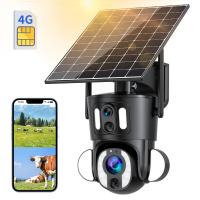
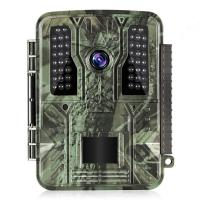
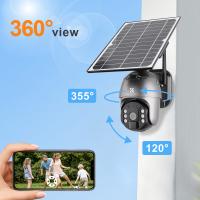
-200x200.jpg "4G Solar Security Camera with WiFi Connection 2-in-1, 2PCS Kentfaith Outdoor Surveillance Camera with IP66 Waterproof Rating & 10X Optical Zoom")
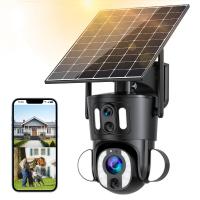
-200x200.jpg "4G Solar Security Camera with WiFi Connection 2-in-1, 3PCS Kentfaith Outdoor Surveillance Camera with IP66 Waterproof Rating & 10X Optical Zoom")