What Sd Card For Drone?
When it comes to selecting the best SD card for your drone, it’s easy to underestimate just how important this small piece of hardware is. You might think, "It’s just an SD card—it either works or it doesn’t." Oh, but there's so much more nuance hiding behind that seemingly simple decision. Let me explain why choosing the right SD card could mean the difference between breathtaking aerial footage and an accidental case of selective amnesia in your storage device. This decision is critical, especially if you're investing time, effort, and money into creating stunning drone videos.
The Anatomy of "The Right SD Card"
Let’s start with the fundamentals. All SD cards are not created equal, especially when it comes to high-performance devices like drones. For drones, you need an SD card that is fast, reliable, and has sufficient storage capacity to handle all the 4K or even 5.7K footage that your flying camera might capture without choking under pressure.
1. Capacity: How Much is Enough?
Modern drones with high-definition cameras can gobble up storage faster than a buffet line at an office party. A minute of 4K footage eats up approximately 375 MB. Imagine recording a 30-minute flight—you're looking at roughly 11 GB, and that’s without factoring in slow-motion or higher bit-rate captures.
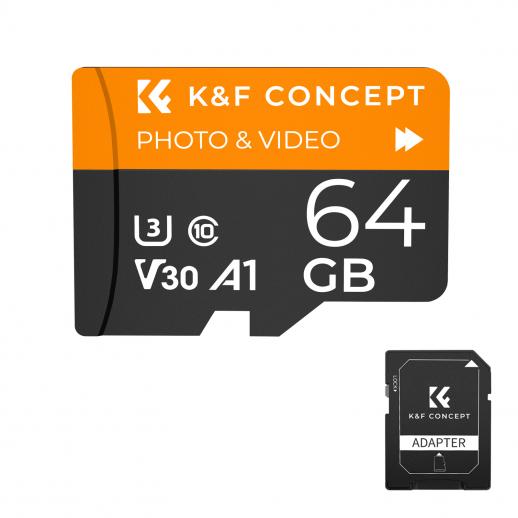
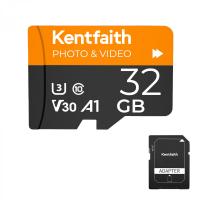
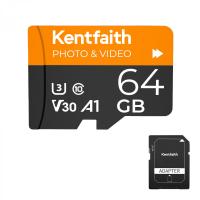
So, a 16GB card? Laughable. A 32GB card? Suitable for short flights or practice runs. A 64GB card? Decent but might leave you wanting more on longer shoots. The sweet spot for most drone enthusiasts sits somewhere at 128GB or 256GB, especially if you’re recording in the higher resolutions drones offer today. Do consider getting even more storage if you have international flights or back-to-back shoots that make card-swapping cumbersome.
2. Speed Class: Don’t Underestimate This
Imagine soaring your drone over a cascade of waterfalls, capturing glorious footage of mist and motion—only to find later that the data transfer rate of the SD card wasn’t fast enough to keep up. The result? Dropped frames, corrupted files, or footage that looks more like scrambled eggs than a cinematic work of art.
Drone cameras, particularly those shooting in 4K, demand SD cards with high speed ratings. Let me decode this for you:
Class 10 or UHS-I: Minimum write speeds of 10 MB/s. Feasible for HD video but insufficient for higher resolutions.
UHS-II or UHS Speed Class 3 (U3): These cards offer minimum write speeds of 30 MB/s, perfect for 4K video with a smooth finish.
V60 / V90 Ratings: These occupy the luxury tier, with blazing write speeds between 60 MB/s and 90 MB/s, ideal for professional filmmakers and ultra-high-definition resolution.
Will your drone even support UHS-II or higher speeds? Check your drone’s manual or specification list. For most consumer drones, a solid UHS-I U3 card suffices, but for cine-grade drones, V60 or V90 is essential.
3. Reliability: One Does Not Simply Skimp on Durability
Drones are adventure machines, often braving heatwaves, rain, snow, or questionable flying maneuvers. Your SD card will face the same environmental challenges, so durability is non-negotiable. The best SD cards are resistant to water, shock, temperature, and X-rays (yes, X-rays—your card might come in contact with airport scanners someday).
Brands like SanDisk (“Extreme” or “Extreme PRO” lines), Lexar, and Samsung offer rugged models that fit the bill. These cards won’t flinch in the face of a rough landing or even a sudden plunge into shallow waters—not that I recommend testing this theory.
4. Avoid Knock-Offs like the Plague
While purchasing an SD card from an online marketplace may save a few bucks, there's a dark underbelly to cheap memory storage. Counterfeit SD cards are rampant—they’ll claim to be 256GB but function like a 16GB card wearing an oversized suit. Once your drone captures more data than the card can physically store, it starts overwriting old files or failing spectacularly.
When it comes to SD cards, stick to reputable retailers and trusted brands. A genuine card might cost a little more upfront, but it’ll save you from heartache (and lost footage) later.
5. Matching Your Drone to Its Ideal SD Card
Not all drones have the same requirements for SD cards. While an entry-level DJI Mini 2 or Ryze Tello can comfortably work with a moderately-priced UHS-I U3 card, a DJI Inspire 3 or FPV cinewhoop might demand top-tier storage solutions to manage vast video data.
Here's a general guide based on popular drone categories:
Entry-Level Drones: 64GB, UHS-I U3, such as the SanDisk Extreme 64GB.
Mid-Range Drones (e.g., DJI Air 2S): 128GB or 256GB, UHS-I U3.
High-End Professional Drones (e.g., DJI Inspire Series): 256GB or higher, UHS-II or V90.
6. Don’t Forget Post-Capture Workflows
Once you’ve recorded that jaw-dropping drone footage, it doesn’t end there. How quickly you can offload and edit your footage is also influenced by the speed of your SD card. If you’re transferring terabytes worth of data for post-production, investing in an SD card with faster read speeds is critical. UHS-II cards shine here, especially in conjunction with a UHS-II card reader.
Real-Life Use Case: A Tale of Two SD Cards
Imagine two drone pilots: Pilot A uses a SanDisk Ultra 32GB card with Class 10 speeds (a budget-friendly solution). Pilot B opts for a SanDisk Extreme PRO 128GB UHS-I U3 card. Both take identical drone models to capture 4K footage while surveying a rugged mountain landscape.
Pilot A starts great but quickly faces buffering issues mid-flight. 4K footage intermittently freezes, forcing Pilot A to cut the session short and manually delete older files on the already-too-small card. Data transfer to his laptop later takes an eternity, thwarting any plans for quick edits.
Pilot B, however, records comfortably, knowing their card can handle both the resolution and extended flight duration. After landing, the footage offloads seamlessly in a matter of minutes, leaving Pilot B with plenty of downtime—or extra minutes to bask in their superior choice of SD card.
My Personal Recommendation
For most drone users, choosing a SanDisk Extreme PRO UHS-I U3 128GB strikes an excellent balance between performance, capacity, and reliability. If your drone supports UHS-II or you’re a professional cinematographer, then stepping up to a Lexar Professional 2000x or SanDisk Extreme PRO UHS-II 256GB will eliminate bottlenecks.
Rest assured you can still find great alternatives from Samsung (EVO Plus or Pro Endurance), Kingston, or other reputable brands. Just remember: Never compromise speed or durability for a cheaper price tag. Your drone’s SD card isn’t merely an accessory—it’s a cornerstone of your creative workflow.
Closing Thoughts
Choosing the right SD card for your drone is not a trivial task. It requires a comprehensive understanding of your drone’s specifications, how you plan to use it, and the conditions under which you’ll fly. The cost of getting this wrong isn’t just wasted money—it’s potentially losing once-in-a-lifetime footage. So, make the effort to pick a card that matches your ambitions, and your drone will reward you with spectacular, hiccup-free footage from above.
Fly safe, and let your storage device be so reliable that you never even have to think about it again!
![4K Digital Camera for Photography & Video [Autofocus and Stabilisation] 48MP 16X Digital Zoom 3” 180° Flip Screen Vlog Camera with 32G SD Card, Flash Kentfaith](https://img.kentfaith.de/cache/catalog/products/de/GW41.0065/GW41.0065-1-200x200.jpg "4K Digital Camera for Photography & Video [Autofocus and Stabilisation] 48MP 16X Digital Zoom 3” 180° Flip Screen Vlog Camera with 32G SD Card, Flash Kentfaith")