How Much Is A Carbon Dioxide Detector?
A Revolution in Atmospheric Awareness: Understanding Carbon Dioxide Detectors
Carbon dioxide detectors—small devices with a potentially massive impact—are rapidly gaining popularity in residential, commercial, and industrial spaces. But before diving into the nuances of selecting the perfect CO₂ detector for your needs, let’s pull back the curtain on what these devices are, why they matter, and most importantly, how much you can expect to pay for one.
The Case for Detecting CO₂: Why Should We Care?
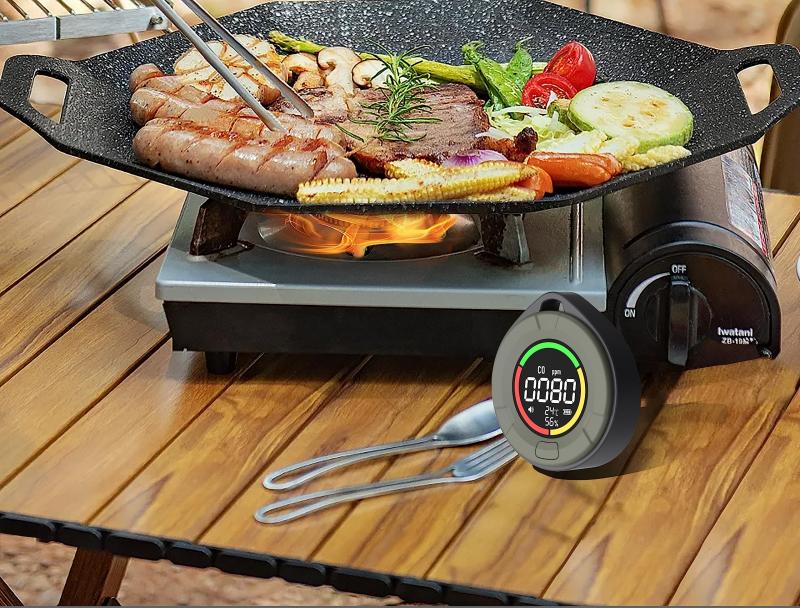
First, let’s address the elephant in the room: why bother with a carbon dioxide detector at all? Well, CO₂ isn’t just a greenhouse gas that contributes to climate change; it also significantly affects indoor air quality. In enclosed spaces like homes, offices, and schools, carbon dioxide concentrations typically rise due to human respiration. This can lead to issues ranging from reduced cognitive function and fatigue to long-term health complications if levels exceed safe thresholds.
To offer some perspective, outdoor air typically contains about 400 ppm (parts per million) of CO₂. Indoors, this number can skyrocket above 1,000 ppm, particularly in poorly ventilated spaces. At levels over 2,000 ppm, people may experience headaches, drowsiness, and a sense of stuffiness. Enter the CO₂ detector—a device designed to monitor these levels in real time and provide actionable alerts.
What’s Inside That Magic Box?
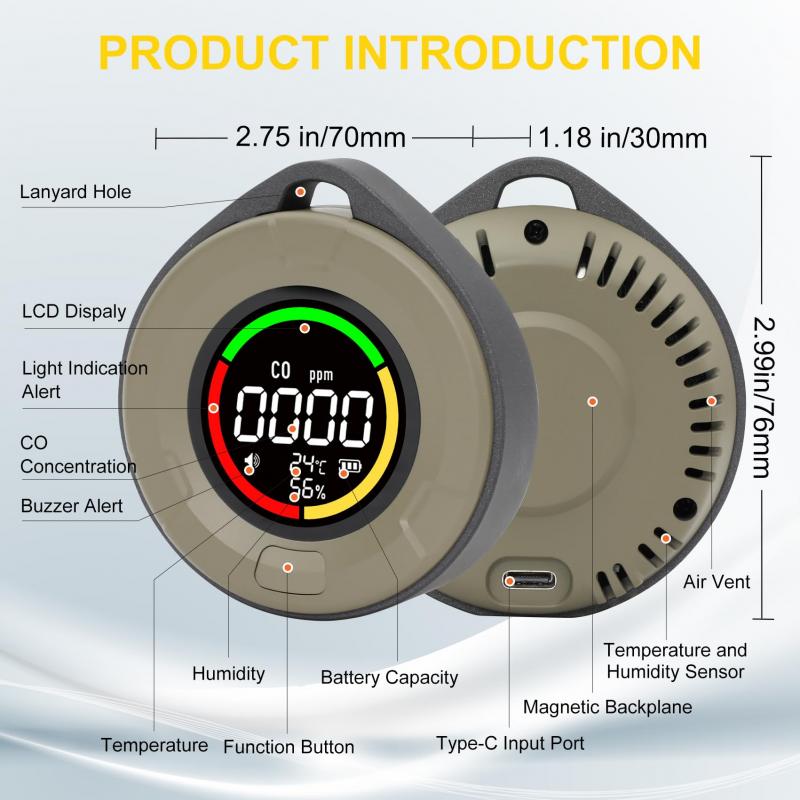
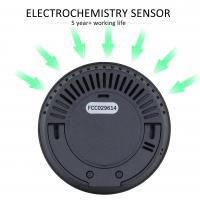
You’ve probably wondered, *What makes a CO₂ detector tick?* Is it wizardry? Alien technology? Nope, it’s actually quite straightforward. Most detectors rely on infrared technology to sense CO₂ levels. Specifically, they measure the absorption of infrared light, as CO₂ molecules absorb certain wavelengths uniquely. This technique is both accurate and reliable, which is why it’s widely used.
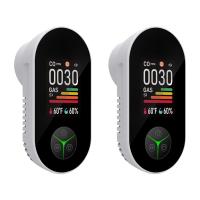
Higher-end detectors may incorporate additional sensors to measure temperature, humidity, and volatile organic compounds (VOCs), essentially acting as multi-functional air quality monitors. These bells and whistles are fantastic for people who want holistic data about their indoor environment. However, this added capability comes at a price—literally.
The Price Tag: How Much Are We Investing?
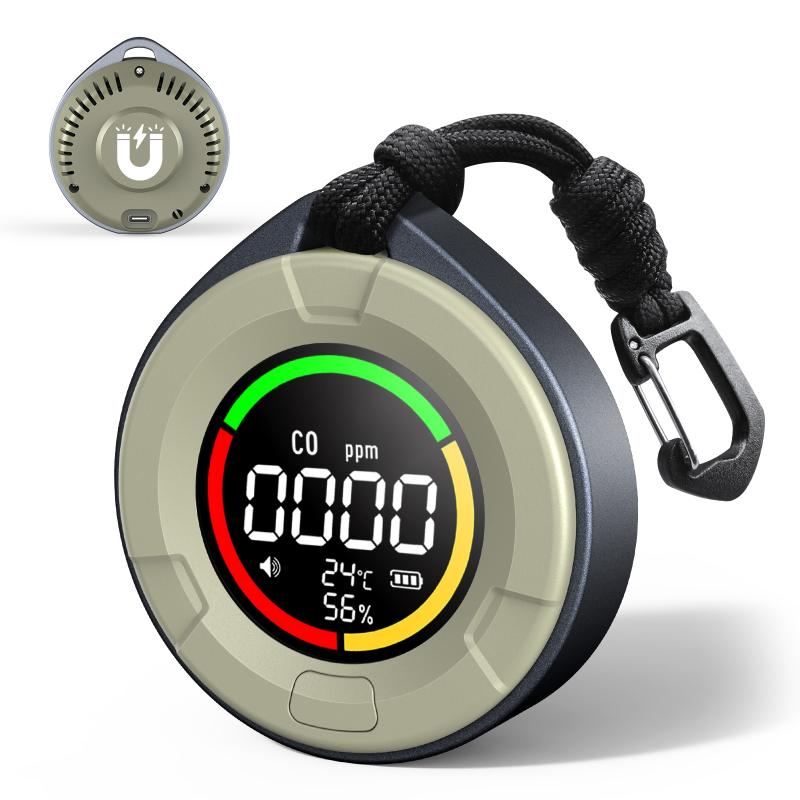
The costs associated with carbon dioxide detectors can vary greatly depending on their features, accuracy, and intended use. Let’s break this down into broad categories:
1. Basic CO₂ Detectors (Under $50):
These entry-level devices are great for individuals looking for a straightforward CO₂ measurement solution. Typically, they come with basic features like a digital readout and audible alarms. However, don’t expect advanced analytics or connectivity options. For casual users—think homeowners curious about their living room’s air quality—this category provides a practical entry point.
2. Mid-Range Detectors ($50 - $150):
Within this price range, you’ll find devices with added functionalities such as smartphone integration, LCD displays, and better precision. These detectors are favored by educators, small businesses, and tech-savvy homeowners who appreciate the ability to track data trends over time. Additionally, many mid-range models start incorporating sensors for temperature and humidity, enhancing their utility.
3. High-End Detectors ($150 - $500+):
Designed primarily for professionals, researchers, and industries, these detectors offer unparalleled accuracy and advanced connectivity options, like Wi-Fi or Bluetooth. They often come with calibration capabilities, robust data-logging features, and compatibility with external software. If you’re leading an environmental study or managing a greenhouse, this category might be worth the investment.
4. Industrial Solutions (Prices Vary Widely):
For large-scale applications, such as monitoring CO₂ levels in factories or warehouses, costs can range from $500 to several thousand dollars. These systems are built for rigorous 24/7 monitoring and often include multiple sensors, cloud integration, and industrial-grade durability.
Factors Affecting Pricing
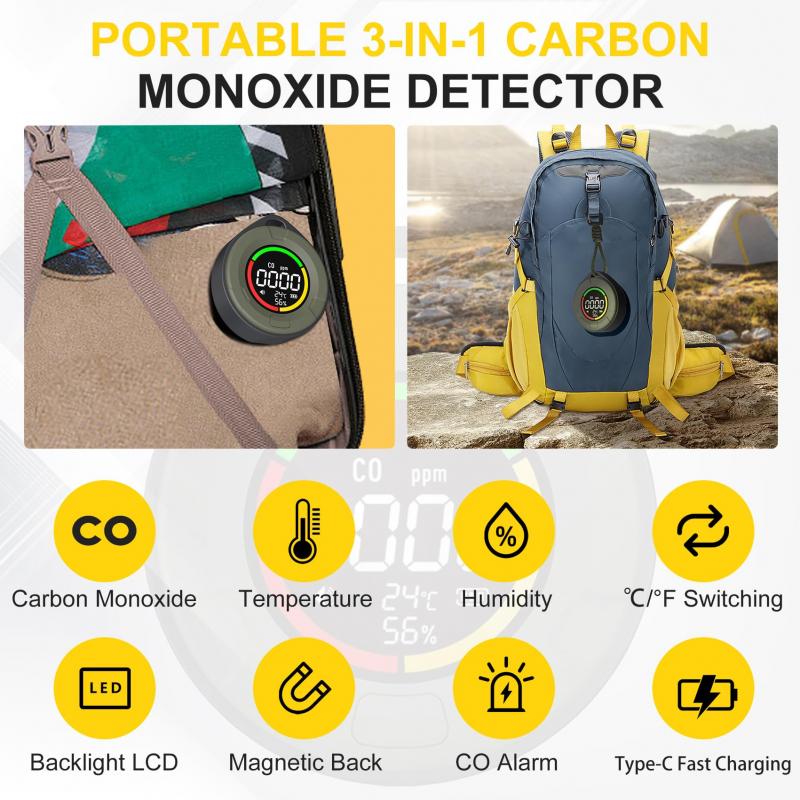
One might ask, *Why does a $300 carbon dioxide detector cost six times more than a $50 one?* The discrepancy boils down to more than just "branding." Let’s explore the core factors that drive these price differences:
1. Accuracy and Sensitivity: Higher-end models use more refined technologies to measure CO₂ with greater precision and stability over time. For example, professional-grade detectors can often distinguish fluctuations as small as 1–2 ppm—critical if you're working in a controlled environment like a laboratory or gym.
2. Additional Sensors: Basic models focus exclusively on CO₂ levels, but mid-range and high-end devices often monitor humidity, temperature, and VOCs. These extra data points are valuable for identifying broader air quality issues.
3. Battery vs. Plug-in: Cheaper detectors are often battery-powered and portable, while pricier ones may require direct power and include long-lasting lithium-ion batteries or solar options.
4. Connectivity Features: High-end models often come equipped with smartphone apps, cloud data storage, and integration with IoT networks, allowing users to build a cohesive smart-home or smart-office ecosystem.
5. Material and Build Quality: Professional-grade detectors are built to endure demanding conditions, such as extreme temperatures in greenhouses or heavy usage in industrial facilities, which contributes to their elevated price.
Choosing the Right Detector for YOU
When deciding which detector to buy, it all depends on why you’re monitoring CO₂ in the first place. Are you a home dweller curious about air quality trends? A teacher concerned about classroom ventilation? An HVAC technician optimizing systems? Answering these questions will steer you towards the right category.
For Home Use: Opt for budget-friendly or mid-range models that prioritize ease of use and sufficient accuracy.
For Schools or Small Businesses: Look to mid-range options for better reliability and integration capabilities.
For Research or Industrial Applications: Spare no expense when precision and endurance are critical. Professional-grade models or scalable industrial solutions are your allies.
Beyond Buying: Using CO₂ Data Wisely
Now that you’re equipped with a detector, what’s next? Collecting the data is only half the battle; interpreting and using it effectively is the real key. If your readings consistently register CO₂ levels above 1,000 ppm, consider improving ventilation. Opening windows, deploying air purifiers, or installing plants could help mitigate indoor pollutants.
For businesses, CO₂ data can inform when and how HVAC systems should operate to conserve energy. And if you’re a gym owner, maintaining low levels of CO₂ creates a healthier environment for clients pushing their physical limits.
A Breath of Fresh Air
As CO₂ detectors become mainstream, their importance in safeguarding indoor air quality cannot be overstated. The price spectrum ensures there’s a device suitable for every budget. Whether you’re living in an apartment, running a classroom, or maintaining an agricultural facility, the proper detector transforms invisible CO₂ into actionable information. And as we collectively strive for better air quality, these unsung heroes will undoubtedly play a pivotal role. So go ahead, invest in one—and then literally take a deep breath knowing you’re doing your part for health and sustainability.
![Carbon Monoxide Detectors Portable Temperature Detector/Humidity Sensor/Air Quality Meter Smoke CO Gas Monitor [3 in 1] Alarm](https://img.kentfaith.de/cache/catalog/products/de/GW40.0007/GW40.0007-1-200x200.jpg "Carbon Monoxide Detectors Portable Temperature Detector/Humidity Sensor/Air Quality Meter Smoke CO Gas Monitor [3 in 1] Alarm")