Carbon Monoxide Detector Alarm What To Do?
Carbon monoxide (CO), often referred to as the "silent killer," is a colorless, odorless gas that can cause severe harm or even fatalities when inhaled in high concentrations. The mere sound of your carbon monoxide detector going off can be alarming, and it’s easy to panic when that piercing alert disrupts your daily life. However, if your CO detector alarm sounds, understanding what steps to take can mean the difference between life and death. Let’s break it down systematically so you can act swiftly and effectively without second-guessing your decisions.
What You Need to Know About Carbon Monoxide Alarms
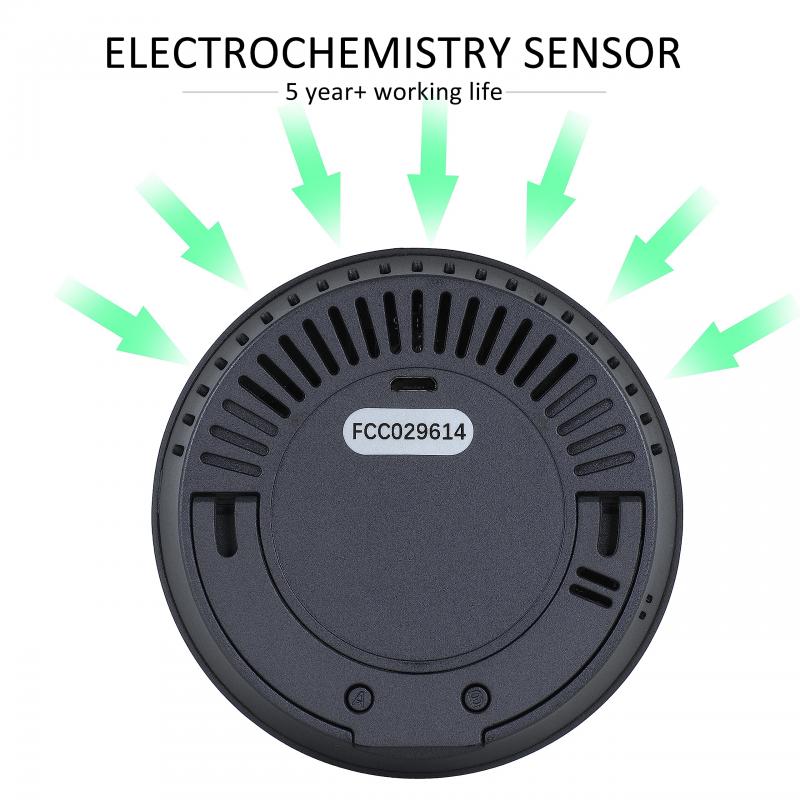
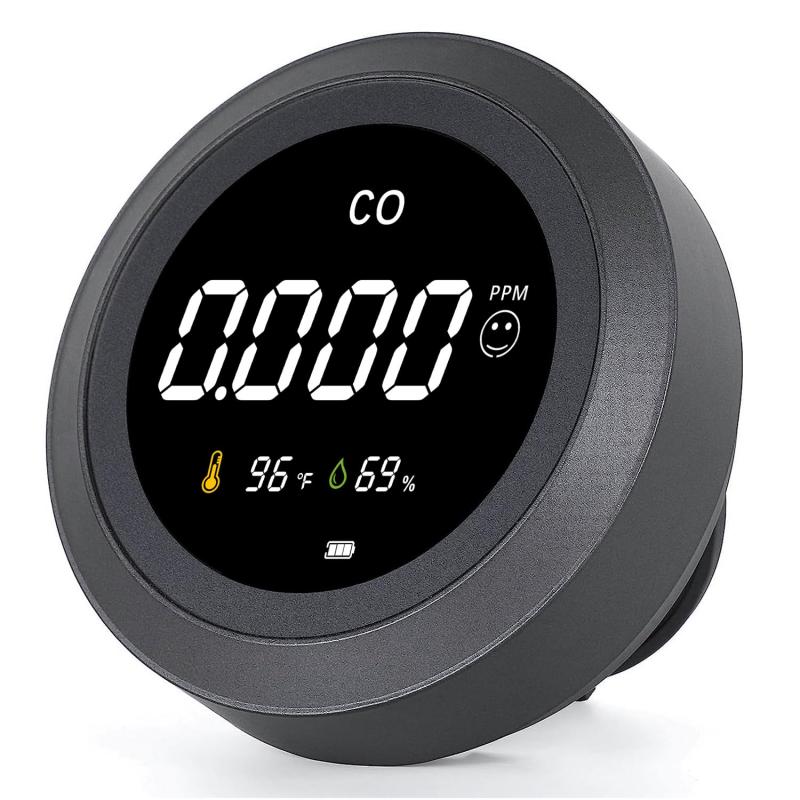
Before diving into action steps, let’s talk about the basics. A carbon monoxide detector alarm typically goes off for one of three reasons:
1. CO is present in your environment and has reached dangerous levels.
2. Low battery or other technical malfunction of the detector.
3. End-of-life warning for the device—some detectors are programmed to beep when they’ve reached the end of their serviceable lifespan (usually 5-10 years).
To make the correct decision when your CO alarm sounds, it’s crucial to identify whether the alarm is responding to actual carbon monoxide exposure or a non-emergency issue like low battery power.
Step 1: Stay Calm and Assess the Situation

First and foremost: don’t ignore the alarm. It’s designed to alert you whether there’s a minor concern or an urgent emergency. Calmly determine the type of sound your CO detector is making:
Continuous alarm: This usually signals the detection of carbon monoxide and requires immediate action.
Intermittent, chirping sound: This often indicates a low battery or the device’s end of life. Check your CO detector's user manual for specific alarm patterns and meanings.
If you suspect the alarm is genuine (i.e., there's CO present), it’s critical to prioritize safety over trying to verify every detail at the moment.
Step 2: Evacuate the Area Immediately
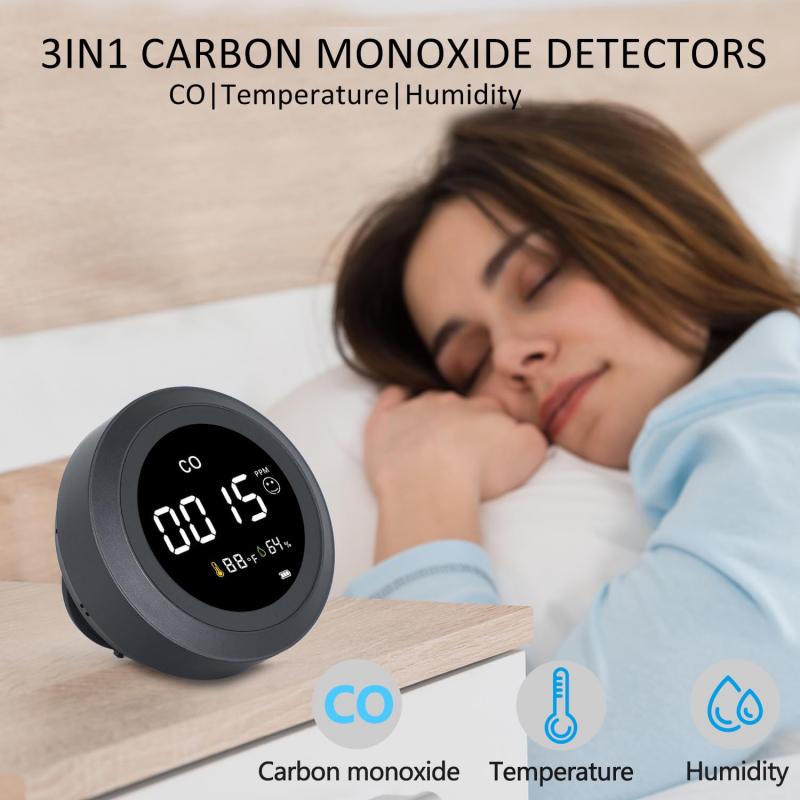
Carbon monoxide poisoning happens when CO replaces the oxygen in your bloodstream. At high levels, it can cause symptoms such as dizziness, nausea, confusion, vomiting, shortness of breath, and loss of consciousness. If the alarm indicates there’s CO in the environment, leave the building immediately—this applies to everyone who is inside, including pets.
Avoid wasting time collecting belongings or investigating the source; the goal is to get to fresh air ASAP. Once outside, verify that everyone is accounted for and consider whether anyone shows signs of CO poisoning. If someone feels sick, call for medical assistance right away.
Step 3: Ventilate the Area
While evacuating, if it's safe to do so, open windows and doors to bring fresh air into the building. You should *not* re-enter the house or apartment until you are instructed to do so by emergency personnel or professionals. CO’s toxic nature means lingering in the area could make you sick even after some ventilation.
Step 4: Call Emergency Services
Dial your local emergency services (such as 911) and explain the situation. Inform them that your carbon monoxide alarm has sounded and that you’ve evacuated the premises. Emergency responders are equipped to handle CO leaks and will often send professionals equipped with tools to detect dangerous levels of gas.
Important note: If you live in an apartment complex or shared housing, alert your neighbors or building management as a precautionary measure.
Step 5: Investigate the Source of Carbon Monoxide
Once you've evacuated and the property is clear for inspection—usually after emergency personnel gives the all-clear—it’s necessary to identify the source of CO buildup. Common culprits include:
- Malfunctioning gas appliances (e.g., stoves, ovens, water heaters).
- Faulty fireplaces or furnaces.
- Vehicles idling in attached garages.
- Blocked chimney flues or exhausts.
- Portable generators or tools running indoors.
If emergency personnel identify the source, you may need professional repairs, replacements, or additional inspection services to ensure the issue is fully resolved.
Step 6: Prevent Future Carbon Monoxide Exposure
The best defense against carbon monoxide poisoning is a robust prevention strategy. Here’s how to ensure your safety going forward:
1. Install more than one carbon monoxide detector.
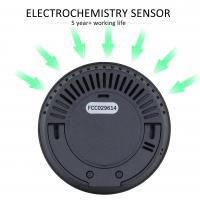
Place detectors in critical locations such as bedrooms, hallways, basements, and near fuel-burning appliances. If you only have one CO alarm, consider adding more—after all, relying on a single detector in a large space can be risky.
2. Test and maintain your detectors regularly.
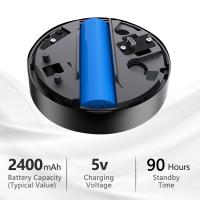
Most CO detectors have a test button. Press and hold the button to ensure it’s functioning correctly. Replace batteries at least once a year, and replace the entire unit if it’s reached the end of its lifespan.
3. Schedule routine inspections of appliances.
Have gas stoves, water heaters, and furnaces inspected annually by licensed professionals. These checkups can detect hidden faults that might lead to CO leaks.
4. Never run fuel-burning equipment indoors.
Barbecue grills, portable heaters, or generators should always be used outdoors, far away from windows and doors.
5. Keep chimneys and vents clear.
Blockages can force CO back into your living space instead of venting it outside. Check these structures regularly, especially after storms or extreme weather.
FAQs: Clearing Up Misconceptions
Q: Can you smell or taste carbon monoxide?
No, carbon monoxide is completely undetectable through human senses. Your best bet for safety is a functioning CO detector.
Q: How long does it take to succumb to carbon monoxide poisoning?
This depends on the concentration. At lower levels, prolonged exposure over several hours can lead to serious symptoms. At higher levels, effects can occur within minutes.
Q: Does a carbon monoxide leak mean I need to replace all my appliances?
Not necessarily. A licensed technician can repair many faulty appliances or identify minor leaks. That said, appliances that are very old or severely damaged may need replacement.
The Takeaway
Carbon monoxide alarms aren’t something you can afford to ignore. Whether the alarm results from an actual CO presence or a technical glitch, it’s always better to treat it seriously and err on the side of caution. Evacuate first, investigate later, and plan proactively to avoid future incidents. When it comes to this insidious gas, vigilance and preparation are your ultimate safeguards.
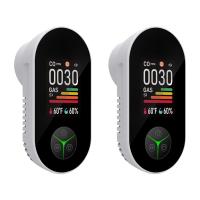
![Carbon Monoxide Detectors Portable Temperature Detector/Humidity Sensor/Air Quality Meter Smoke CO Gas Monitor [3 in 1] Alarm](https://img.kentfaith.de/cache/catalog/products/de/GW40.0007/GW40.0007-1-200x200.jpg "Carbon Monoxide Detectors Portable Temperature Detector/Humidity Sensor/Air Quality Meter Smoke CO Gas Monitor [3 in 1] Alarm")