How to Clean Carbon Fiber Tripod?
2025-10-30 09:56:24
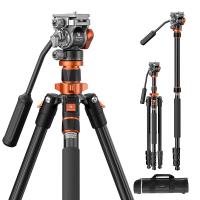
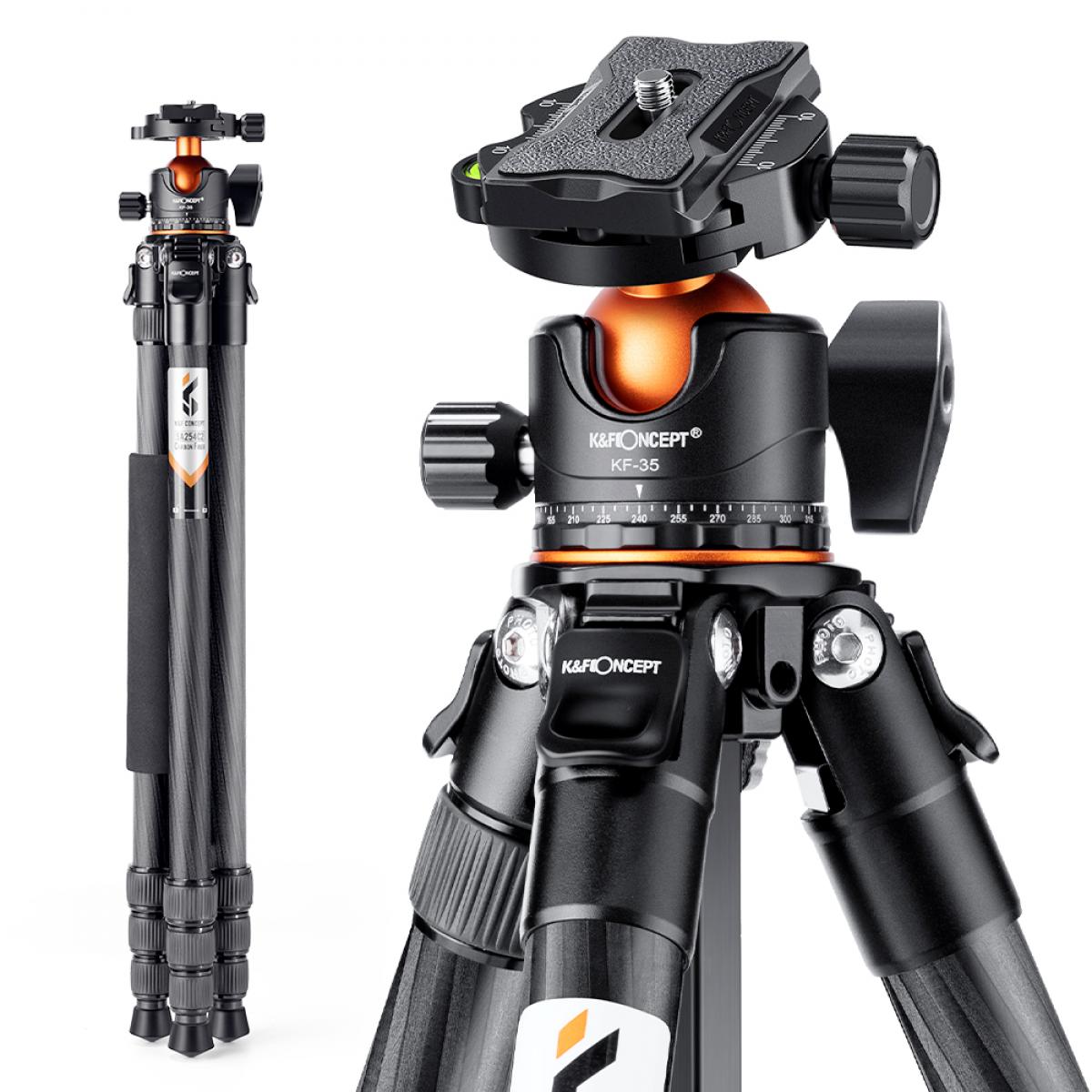
When shooting outdoors, we often encounter situations where the tripod needs to be immersed in seawater, sand, or mud. In such cases, to prevent damage to the threads, plastic parts, and carbon fiber components, it is essential to learn how to properly clean the tripod.
Step 1: Gather Materials
Your tripod
Bucket filled with water and dish soap
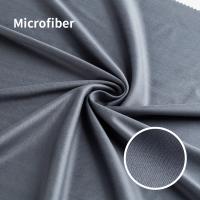
Microfiber cloth
Toothbrush
Water for rinsing: bucket, sink or hose
You’ll want to be sure to have plenty of room to work around you.
Sunlight
Step 2:
If you don't mind getting your hands dirty, dive right in. But if you'd rather avoid black gunk getting under your nails , I recommend wearing basic kitchen dish gloves.
Start with one leg section of the tripod and unscrew the leg locks all the way. Once this is unscrewed, you should be able to pull the whole leg out. Be sure to watch out for any small white plastic pieces that may fall out. You’ll need to keep these for later. Depending on which carbon fiber tripod you have, you’ll either have 2, 3, or 4 leg sections. Unscrew and separate all of the leg sections, and take off the plastic pieces, called the leg stoppers and guide sleeves. These parts will go back on after cleaning, so be sure not to lose them. You should have three pieces, two leg stoppers and one guide sleeve.
If you are able to remove the upper leg extension connected to the top mount, remove that as well. In general, try to remove as many pieces of the tripod as you possibly can. I recommend placing any small screws or bolts in small cup or container, then soaking them in household distilled white vinegar. This will break down grit and gunk, and prevent them from accidentally getting lost. All remaining pieces should go into a soapy sink or bathtub, as shown below.
Step 3:
Use soap and water to clean the parts. The soap helps in breaking down the grease. Use the toothbrush to clean each part especially the threads.
Once you are done with every part, lay it down and wipe it thoroughly. Make sure that there are no wet parts left.
Also, for tripods that cannot be disassembled, just make sure to use a soft microfiber cloth pad to clean the dirt. You may clean the hard-to-reach places with a brush. Wipe and dry after.
Step 4:
Keep some grease handy and reassemble the tripod. Put some grease on the tripod threads to ensure that it moves smoothly. Be careful to not put too much grease.
Step 5:
Once the tripod is dry, you’re ready to put it back together. Starting with the largest leg, stick the two leg stoppers and one guide sleeve back on. The leg stoppers have a small notch, and this is designed to go in the small holes at the top of the tripod leg section. The guide sleeve goes below the leg stoppers. Then, being sure to carefully hold on to the leg stoppers and guide sleeve, slide the leg piece back into your tripod. It’s crucial that these plastic pieces stay in place, as the leg stoppers prevent the leg from pulling out, and the guide sleeves allow you to easily extend and collapse the legs. If the pieces are in the proper place, the leg should slide right in. Repeat this step for each section of the leg you are currently working on, being sure to work from largest to smallest leg. After you’ve completed one leg, repeat this step for the other two legs.
How often should you clean a tripod?
Cleaning a tripod depends on the frequency and location of usage. This is a process that I recommend repeating at least once a year, if not more frequently. If you are shooting indoors, it might be unnecessary. Just make sure that you are wiping off the dust build-up.
However, If you spend a lot of time shooting outside in harsh conditions, such as sand, swamps, or in the water, you should be cleaning your tripod much more frequently.
Can carbon fiber be washed?
What is the best thing to clean carbon fiber tripod with?
The best thing to clean carbon fiber with is a soft microfiber cloth dampened with lukewarm water (and a small amount of mild, non-abrasive soap if there’s heavy dirt). Avoid harsh chemicals, abrasive scrubbers, or high-pressure water, as they can damage the carbon fiber’s finish or structure.
Is rubbing alcohol safe on carbon fiber?
No issues. Pure rubbing alcohol is one of the safest things you can use. Just make sure you let it evaporate before you grease and put stuff back together.