Cameras Outdoor How Much?
When tackling the subject of outdoor cameras and their cost, we're really wading into a multifaceted realm where choices abound. From security to wildlife observation, outdoor cameras are used for a variety of purposes, and their pricing can depend on features, capabilities, and intended uses. Whether you're a homeowner concerned about security, an outdoor enthusiast eager to capture wildlife, or simply someone who enjoys being prepared for unpredictable weather, the world of outdoor cameras has something to offer—but also a lot to consider.
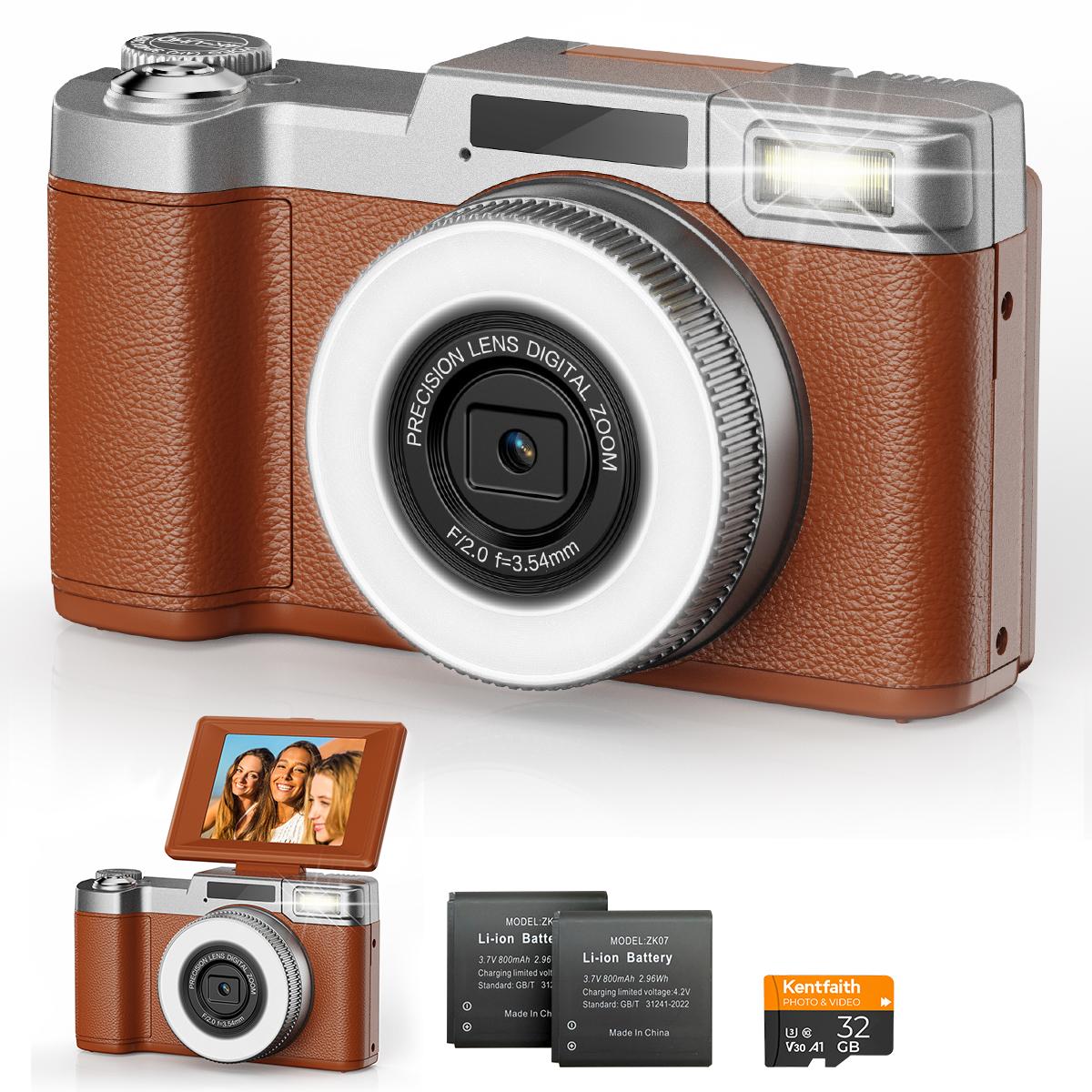
First things first: why are outdoor cameras typically pricier than their indoor counterparts? The answer comes down to how they’re built. Outdoor cameras need to weather the... weather. Rain, snow, wind, dust, and the occasional curious squirrel or nosy crow all pose threats to these devices. Manufacturers, therefore, invest heavily in rugged construction, weatherproofing certifications like IP65 or IP67, and, in some cases, temperature resistance to ensure proper functionality in extremely cold or hot climates. An indoor camera doesn’t need to fend off a downpour; it just has to avoid getting knocked off its perch by your pet cat.
Now, let’s delve into what truly drives costs when selecting an outdoor camera. The price tag can range from as little as $50 to over $500, depending on features. Here are the essential elements to consider:
Resolution:
This is one of the most important aspects when buying a camera, outdoor or otherwise. Higher resolutions mean clearer images, which is critical when distinguishing between a harmless neighborhood kid on an evening romp versus someone with more nefarious intentions. Common resolutions include 1080p, 2K (1440p), and 4K. Budget cameras around $50–$100 generally stick to 1080p, but 4K models—often in the $200–$300 range—are ideal when you want to zoom in without losing clarity.
But beware the allure of high resolution without first considering your internet upload speeds if you plan to use cloud storage or remote video access. No amount of Ultra HD clarity is worth the headache of buffering or dropped recordings.
Night Vision and Low-Light Capability:
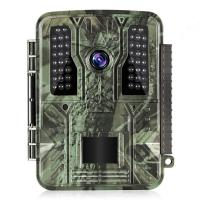
Imagine a scenario where your camera only works when the sun is beaming down. Useless, right? Night vision is a must for outdoor cameras, and its type (infrared vs. color night vision) can heavily impact the cost. Infrared cameras rely on invisible light waves to illuminate the area, displaying black-and-white imagery. These usually start around $80 for decent models. Cameras with color night vision, often requiring built-in LED floodlights, will easily push north of $150. If the dark corners of your property make you uneasy, that extra expense may well be worth the peace of mind.
Durability:
Let’s talk about the ability to endure life outdoors—the camera’s armor, if you will. Budget models with basic weatherproofing might suffice in mild climates, but if your area experiences torrential rain, snowstorms, or the occasional heatwave that makes you question your decision to live on planet Earth, you’ll need something sturdy. Some cameras promise water resistance but crack under the pressure of an extended downpour, while others tout specifications like IP67, meaning they can survive being submerged in water temporarily. For steely durability, anticipate spending no less than $150 per camera.
Wi-Fi vs. Wired Systems:
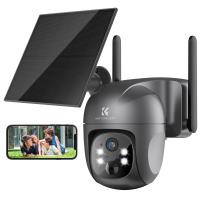
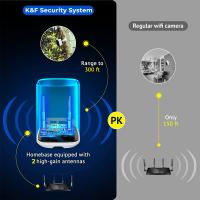
Ah, the age-old debate: wireless or wired? Wi-Fi-enabled cameras grant you immediate convenience and flexibility, generally costing between $50 and $250 depending on how advanced the wireless system is (along with resolution and night vision quality). Wired systems, meanwhile, are highly reliable but require more installation work. Their cost tends to start around $200 once you factor in wiring and installation fees. If you're DIY-minded and willing to run cables yourself, that upfront investment could still save headaches later.
For large properties or professional spaces, wired systems shine through in avoiding signal interference. Just be ready to channel your inner handyman.
Smart Features:
The smart features incorporated into modern outdoor cameras have transformed them into gadgets that feel borderline magical. Artificial intelligence-based motion detection—even distinguishing humans from animals—used to come only in premium models; today, it's not rare even in cameras under $100. Facial recognition, two-way audio, integration with smart home ecosystems—these extra perks add significant cost but bring unparalleled convenience in return.
If AI or cloud services strike your fancy, also consider ongoing expenses. Many of these features subscribe you to monthly or annual subscription plans that start around $3–$15 per month per camera. These fees must be factored into your overall budget.
Power Source:
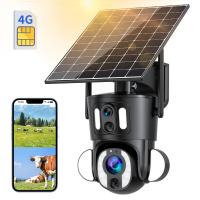
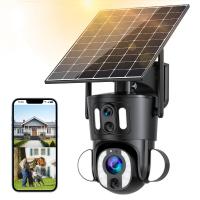
Rechargeable battery-powered cameras offer versatility, allowing you to place them virtually anywhere without being shackled to an outlet. Solar-powered cameras, too, have entered the fray, eliminating the worry of manually charging or replacing batteries. While battery-powered devices generally cost under $200, solar options tend to run higher ($150–$300) due to the inclusion of panels. Hardwired devices, meanwhile, often lean on the costlier side because of installation requirements but provide steady power.
Traffic Across Brands:
Let’s not forget the excess noise surrounding brand reputation. Whether it’s Arlo, Ring, Google Nest, or Wyze, brands have carved reputations within the industry, influencing not only customer trust but also perceived value. A brand-name camera may run steep compared to a lesser-known one with similar specs—but also might provide peace of mind via better warranties and customer support. It's your call whether the sticker price justifies the brand prestige.
So, What’s the Answer to 'How Much'?
There’s no universal price for every outdoor camera setup. If you’re budget-conscious, options like Wyze Cam Outdoor or Blink Outdoor offer well-reviewed models for $50–$100, providing clear 1080p resolution, basic night vision, and decent weatherproof ratings. On the higher end, cameras from the Arlo Ultra series or Google Nest Cam Outdoor easily range from $200–$400.
For neighborhood security, a mid-range option around $150 strikes a good balance between affordability and reliability. Wildlife enthusiasts could lean toward 4K models closer to $300 if capturing the majestic detail of an eagle soaring past their backyard is the endgame.
And finally, don’t underestimate long-term investment costs—subscriptions for storage or AI features can balloon over time. By some metrics, you might save more money buying hardware with on-device storage—even if it costs more up front!
In closing, an outdoor camera isn’t just a tool—it’s an investment in security, peace of mind, and sometimes a side hustle into the world of amateur wildlife documentary-making. So pick your price tier wisely, and remember that while buying the cheapest option might feel savvy, an underperforming camera could leave you feeling miserably exposed.
-200x200.jpg "Outdoor Camp Lighting Telescopic & Collapsible with Bluetooth Speaker 14000mAh Battery Kentfaith")